Gallery and exhibition hire: hanging, lighting and cover
6 mins
If you are an artist, curator or collective looking at gallery hire for an exhibition, from a weekend show to a month on the wall, start with the hanging system, because it limits what you can show. Then look at light, insurance and the opening night, which needs planning separately from the show itself.
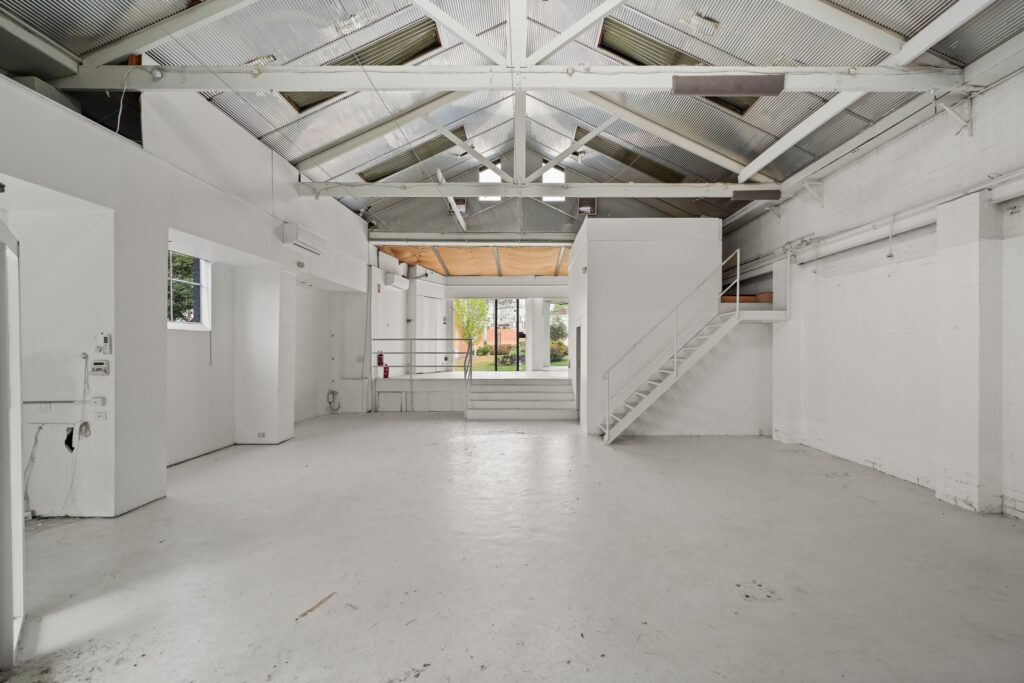
Hanging systems and what they take
Before you commit to a room, find out how work goes on its walls. There are three common answers:
- A hanging track or picture rail near the ceiling, with rods or wires dropping to hooks. Nothing goes into the wall and you can rehang in minutes. The limit is weight, so ask for the rating per hook and per metre of track.
- Fixings into the wall, such as nails, screws or picture hooks. This is flexible, but you need to know what the wall is made of. Plasterboard takes light work on the right fixing; heavy work needs a stud, masonry anchors or a timber-lined wall.
- No fixings at all. Some rooms allow nothing on the walls, and you bring freestanding walls, easels or plinths.
Then measure the uninterrupted wall run once you take away doors, windows, switches, fire extinguishers and exit signs. A room that looks large in photos can have surprisingly little hangable wall. Check the wall height, the floor loading for sculpture, and whether plinths, lighting and a hanging kit come with the space.
Our creative spaces include galleries, white rooms and warehouse floors, and our page on space for artists sets out the questions that decide whether a show works in a room.
Lighting a show properly
Daylight changes through the day and has gone by the time a six o'clock opening starts. Direct sun can also fade works on paper and textiles and throw glare across anything behind glass.
Ask about the artificial light:
- Is there track lighting, and can the heads be moved and aimed? Fixed downlights mostly light the floor rather than the work.
- What colour temperature are the lamps? Warm light around 3000K flatters paintings and timber; neutral light around 4000K reads cooler and cleaner. Mixed temperatures in one room look wrong in photos.
- How accurate is the colour? A high colour rendering index shows colour as the artist intended. CRI 90 or above is a common benchmark.
- Are the lights dimmable, and can you control them separately from the room lights?
Visit at the hour of your opening, not only at midday, so you can see the room with no daylight at all.
Who insures work that is not yours?
An exhibition puts valuable property in a room you do not own, and three separate risks need covering:
- The work itself, against damage, theft and loss, including while it travels to and from the space. A venue's insurance usually covers the building, not what you bring into it. Do not assume the host's policy covers the art unless they confirm it in writing.
- Public liability, for the people who visit. Many hosts ask for a certificate of currency before you install. Our piece on pop up insurance explains what that is.
- Work on loan or consignment from other artists or collectors. Put in writing who insures it, from when to when, and at what value.
Talk to an insurer or broker who handles art before you sign for the space, and give them the dates, the address and the total value going on the walls. For agreements between artists and the people showing their work, the National Association for the Visual Arts (NAVA) publishes a code of practice worth reading.
Opening night as a separate problem
The show and the opening are two different events. An exhibition might see a steady trickle of people over a fortnight; the opening puts them all in the room at once, with drinks, for two hours. Check these separately:
- Standing capacity, which comes from the building's approvals, not from what looks comfortable.
- Drinks. Ask whether they are allowed, who serves, and whether a liquor licence or permit is needed. That depends on the state and the venue, even when drinks are free. Our guide to catering and alcohol at a private venue covers what to ask.
- Finish time and noise, particularly with a DJ or speeches. See noise limits and finishing times.
- Protecting the work. Keep a clear zone in front of anything fragile, keep glasses off plinths, and have someone watching the room.
- Access. Step-free entry and an accessible toilet matter more on opening night than on any other day of the show.
Plan the bump-in too. A hang with lighting usually takes longer than people expect, so book install and de-install days either side of the public dates.
FAQ
Can I put nails in the walls?
Only if the host agrees in writing. Many galleries use a hanging track so nothing goes into the wall, and some rooms allow no fixings at all. If nails or screws are allowed, agree before you hang who patches and repaints afterwards.
Who insures artwork during an exhibition?
Usually the artist or exhibitor, not the venue. A venue's policy generally covers the building rather than the work inside it, so arrange cover for the art, including transit, unless the host confirms in writing that theirs applies. Work on loan needs its own agreement about who insures it and at what value.
How long can I hire an exhibition space for?
Anything from a single day to several weeks, depending on the host. Add install and de-install days either side of the public dates, and ask how those days are treated in the booking. A weekend show with lighting can easily need a day in and a day out.
Tell us what you are showing, how it hangs and your dates, and the Spacenow concierge will shortlist rooms that fit, at no cost. Or browse galleries and white rooms under creative spaces.