Short-Term Hire: How Brands Create Memorable Pop-Up Retail Experiences
4 mins
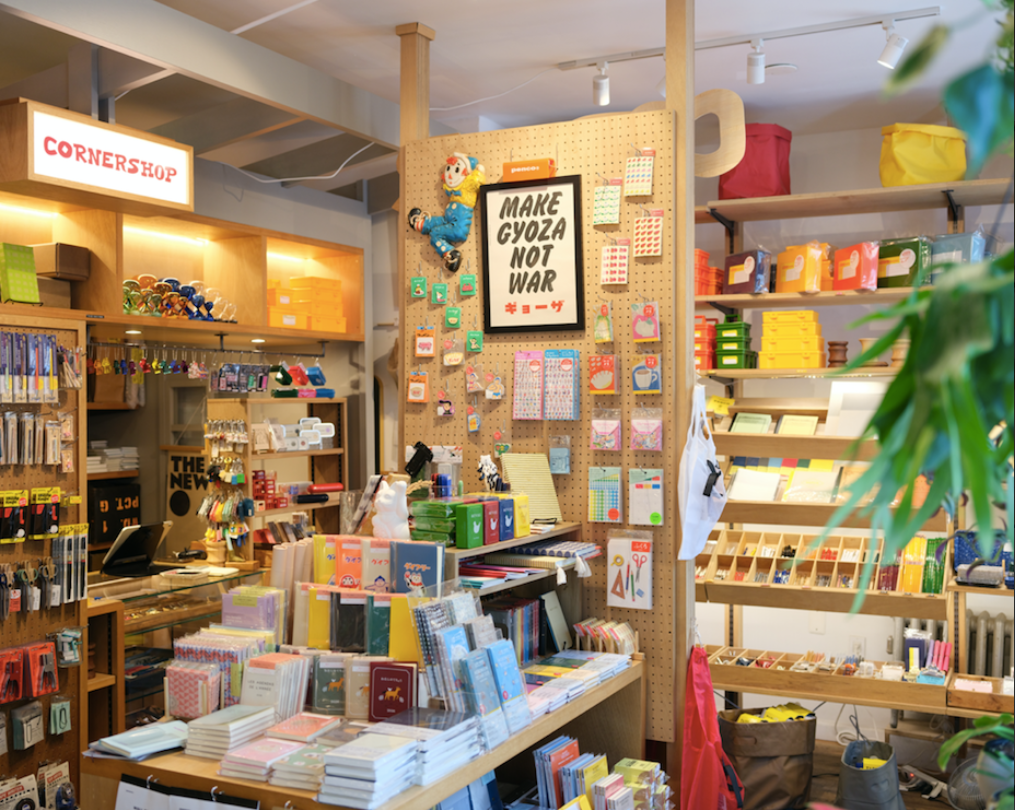
Memorable retail experiences are often mistaken for expensive ones. In reality, the most effective pop-up retail activations using short-term hire are rarely defined by scale or spend, but by clarity, intent, and execution.
For brands using short-term hire, budget constraints are not a disadvantage. They are often the reason pop-up retail works so well. Temporary retail space forces focus, removes excess, and encourages brands to think more deliberately about how customers experience them in person.
This is how brands are creating strong, lasting impressions without big budgets or permanent leases.
Experience Starts With Restraint, Not Spend
Pop-up retail works best when it is designed around one clear idea, not multiple competing messages.
Instead of trying to replicate a full store, successful brands use retail space to communicate:
- One product story
- One brand value
- One reason to stop and engage
Short-term hire naturally limits space and time, which helps brands prioritise what actually matters to the customer.
Designing for Engagement, Not Decoration
Visual impact does not require expensive fit-outs.
In pop-up retail, engagement often comes from:
- Clear layout and customer flow
- Thoughtful product placement
- A consistent colour palette or material choice
- Space to interact, not just browse
Customers remember how a space felt, not how much it cost to build.
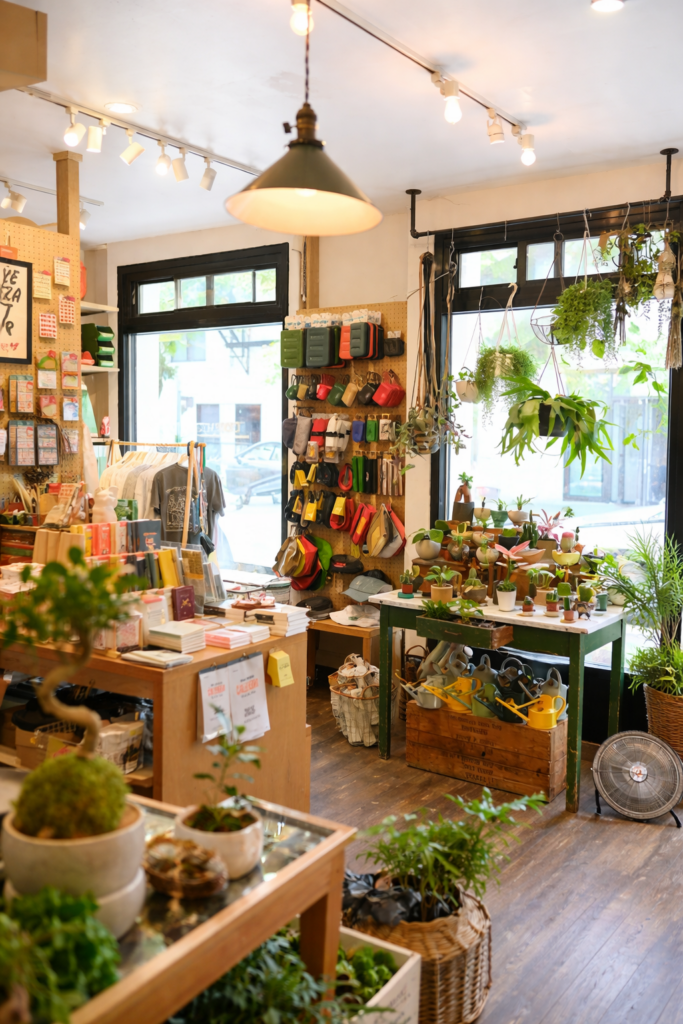
Using Presence as the Experience
In many low-budget pop-ups, the most valuable asset is the people running it.
Pop-up retail creates opportunities for:
- Direct conversation with customers
- Explaining the product story in person
- Answering questions in real time
This level of interaction is difficult to replicate online and often becomes the most memorable part of the experience, without any additional spend.
Creating Moments, Not Features
Big-budget retail often relies on technology or scale. Short-term hire encourages brands to think in moments instead.
Simple examples include:
- A product demonstration
- A short explanation of how something is made
- A chance to personalise or customise
- A limited, time-bound offer
These moments give customers a reason to stop, engage, and remember the brand.
Why Constraints Improve Brand Clarity
Temporary retail space removes the pressure to do everything at once.
Because pop-up retail is time-limited, brands can:
- Focus on what resonates most
- Test messaging without long-term risk
- Learn which elements of the experience matter most
This clarity often leads to stronger brand positioning, both online and offline.
Retail Space as a Testing Ground, Not a Showcase
For many brands, the goal of short-term hire is not perfection. It is learning.
Pop-up retail allows brands to:
- Observe how customers move through a space
- See which products draw attention
- Understand what needs explanation and what doesn’t
These insights often influence future retail, marketing, and product decisions, without the cost of a permanent setup.
Why Memorable Doesn’t Mean Expensive
Customers respond to authenticity, relevance, and ease.
In pop-up retail, a memorable experience is more likely to come from:
- Clear intent
- Thoughtful use of space
- Genuine interaction
- A focused offering
Not from elaborate builds or large budgets.
Why This Matters for Modern Retail
As brands continue to use short-term hire and flexible retail space, experience design is becoming more intentional and less wasteful.
Pop-up retail proves that:
- Strong brand experiences don’t require permanence
- Limited space can sharpen storytelling
- Budget constraints often improve creativity
This is why pop-ups remain one of the most effective ways to bring a brand to life physically.
At Spacenow, brands use pop-up retail and short-term hire to create focused, high-impact experiences that make sense commercially, without the overhead of long-term leases.
Good retail experiences aren’t built on budget. They’re built on clarity.