Pop Up Spaces in Sydney: Your Complete 2026 Guide
8 mins
Sydney's Pop up Retail Scene in 2026
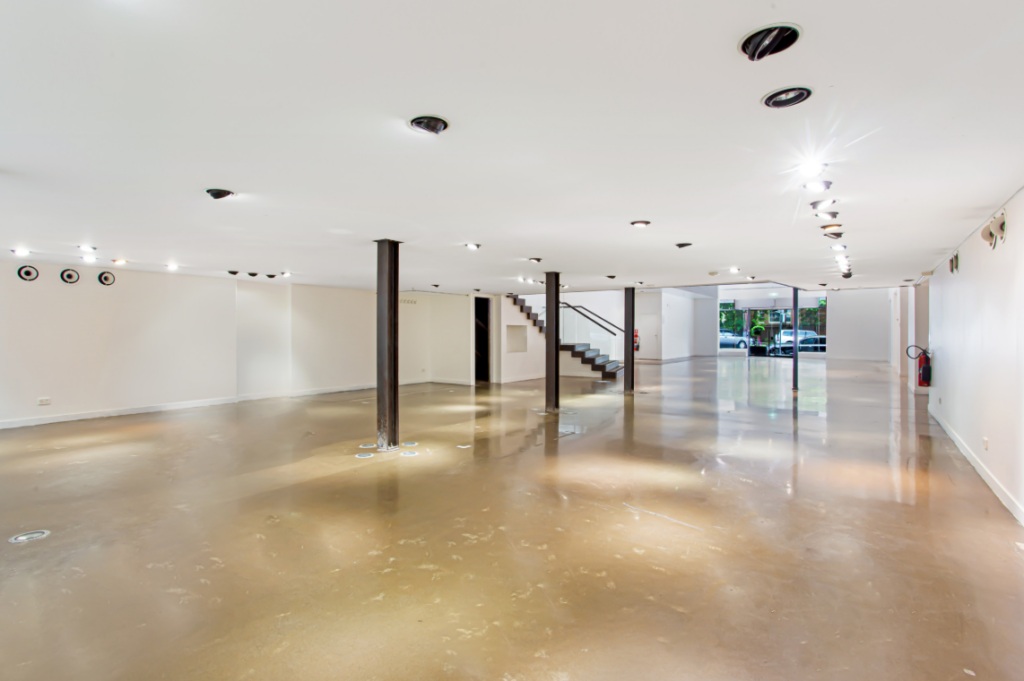
Pop up spaces in Sydney continue to grow in popularity as businesses look for flexible retail solutions in 2026. From product launches and brand activations to seasonal retail campaigns, pop up spaces in Sydney provide a cost-effective way to connect with customers and test new markets.
The city's dense foot traffic and diverse neighbourhoods create ideal conditions for short-term retail ventures. From Bondi's beachside markets to the CBD's corporate lunch crowds, each area offers distinct customer demographics.
Pop up retail lets brands test new markets without massive upfront commitments. You can gauge customer response, refine your offering, and build brand awareness in targeted locations.
Why Pop Up Spaces in Sydney Are Growing in 2026
Sydney's consumer culture embraces new experiences. Locals actively seek out unique shopping opportunities, especially in areas like Surry Hills, Newtown, and Paddington.
The city's tourism industry adds another layer. International visitors want authentic Australian retail experiences. Your Pop up can capture both local and tourist markets simultaneously.
Sydney's property owners increasingly understand Pop up value. Empty retail spaces cost money. Short-term tenants provide income while property owners seek permanent solutions.
High-Traffic Areas That Deliver Results
Circular Quay attracts office workers and tourists. Weekend markets in these areas see consistent foot traffic throughout the year.
Westfield shopping centres across Sydney offer established retail environments. These spaces come with built-in customer flow and marketing support.
Street-level spaces in suburbs like Manly, Bondi, and Coogee work well for lifestyle brands. Beach culture drives spending on fashion, wellness, and food products.
Benefits of Short-Term Retail Space
Lower financial risk tops the list. Traditional retail leases require significant upfront costs and long-term commitments. Pop ups let you test concepts with manageable investment levels.
Market testing becomes practical. You can trial new products, pricing strategies, or service offerings without committing to permanent infrastructure.
Brand awareness grows faster through strategic Pop up campaigns. Limited-time offers create urgency that drives customer action.
Operational flexibility allows rapid pivots. If one location underperforms, you can relocate quickly rather than being locked into unfavorable lease terms.
Real Business Impact
Pop ups generate valuable customer data. Face-to-face interactions provide insights that online sales cannot match. You learn about customer preferences, pain points, and buying behaviors in real-time.
Cash flow improves through immediate sales. Unlike e-commerce, Pop up retail provides instant revenue that can fund expansion or product development.
Partnership opportunities emerge naturally. Other retailers, suppliers, and service providers notice successful Pop ups. These connections often lead to future business opportunities.
Finding Your Ideal Sydney Pop up Location
Location selection determines Pop up success more than any other factor. Different areas of Sydney serve different customer segments and business objectives.
The CBD works for B2B focused businesses. Office workers have disposal income and limited shopping time. Lunch-hour retail or after-work shopping windows perform well.
Beach suburbs suit lifestyle and wellness brands. Customers in these areas prioritize experience and quality over price. Premium positioning often works better than budget offerings.
Inner-west suburbs like Newtown and Marrickville attract creative consumers. These areas respond well to unique products, sustainable brands, and artistic presentations.
When searching for Pop up spaces in Sydney, consider foot traffic patterns, nearby businesses, and parking availability. Each factor influences customer accessibility and sales potential.
Space Types That Work
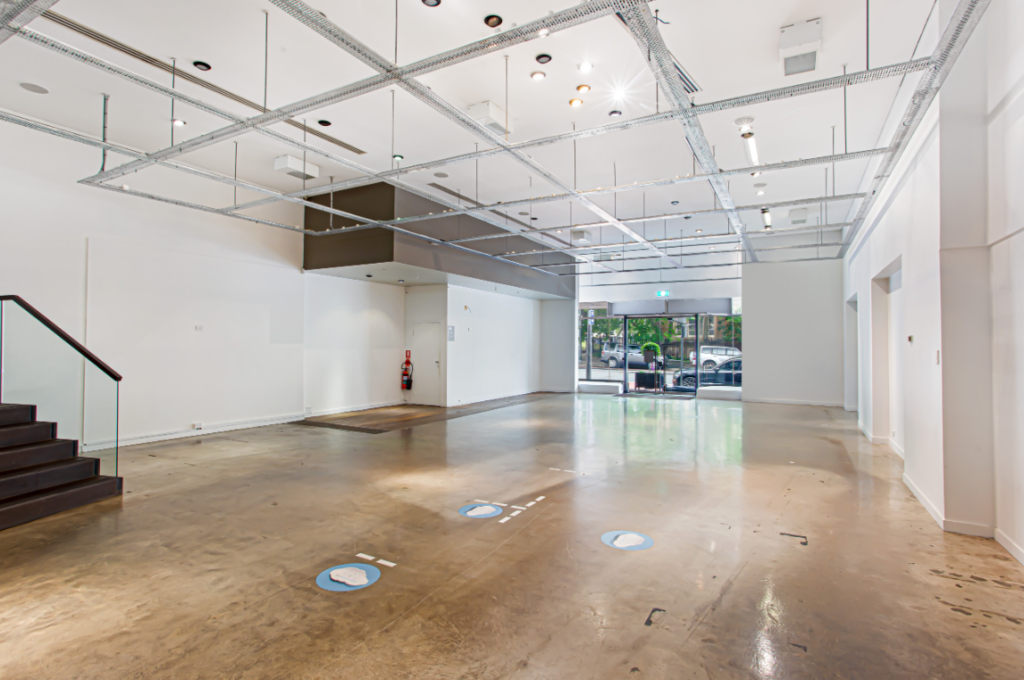
Ground-floor retail spaces provide maximum visibility. Street-facing windows allow product displays that attract passing customers.
Market stalls offer cost-effective entry points. Many Sydney markets operate multiple days per week, providing consistent exposure opportunities.
Event spaces can double as retail locations. Product launches, brand activations, and customer experience events often generate higher per-customer spending than traditional retail.
Warehouse spaces work for large inventory or experience-based retail. Fashion sample sales and furniture showrooms benefit from warehouse-style layouts.
Essential Steps for Pop up Success
Planning starts months before your opening date. Successful Pop ups require the same attention to detail as permanent retail operations.
Legal compliance cannot be ignored. Legal requirements for Pop up spaces in Australia include permits, insurance, and safety certifications. Start this process early to avoid delays.
Inventory planning requires careful calculation. Too little stock means lost sales. Excess inventory ties up capital and creates storage challenges.
Marketing campaigns should launch before your opening day. Social media, local partnerships, and PR activities build anticipation and ensure strong opening-day attendance.
Operational Considerations
Staff training matters even for short-term operations. Customers expect professional service regardless of your lease duration.
Payment systems must handle various transaction types. Cash, cards, and mobile payments should all be available. Technical failures cost sales and damage customer experience.
Inventory management systems help track sales patterns and prevent stockouts. Even simple spreadsheet tracking provides valuable data for future Pop ups.
Maximizing Customer Engagement
Customer experience separates successful Pop ups from forgettable ones. Every interaction should reinforce your brand values and encourage repeat business.
Product demonstrations work particularly well in Pop up environments. Customers can touch, try, and test products before purchasing. This hands-on experience justifies premium pricing.
Limited-time offers create purchase urgency. "Pop up only" products or pricing makes customers act immediately rather than postponing decisions.
Email capture systems build long-term value. Even customers who don't purchase immediately can become future online customers or attend future Pop ups.
Social media integration extends your reach beyond physical location. Customers sharing photos and experiences multiply your marketing impact without additional cost.
Building Lasting Relationships
Follow-up communication maintains customer connections after your Pop up closes. Email newsletters, exclusive offers, and event invitations keep your brand relevant.
Customer feedback collection provides insights for improvement. Exit surveys or follow-up emails reveal what worked and what needs adjustment for future Pop ups.
Partnership development often emerges from successful Pop ups. Other businesses notice your success and may propose collaboration opportunities.
Understanding Pop up Business Models
Different types of Pop up retail formats serve different business objectives. Product launches require different approaches than market testing or inventory clearance.
Seasonal Pop ups capitalize on specific shopping periods. Christmas markets, summer beach retail, and back-to-school campaigns align with natural spending patterns.
Brand awareness campaigns focus on experience over immediate sales. These Pop ups build long-term brand value through memorable customer interactions.
Revenue generation Pop ups prioritize immediate sales and profit. These require careful cost management and pricing strategies to ensure profitability.
Measuring Success
Sales metrics provide immediate feedback on Pop up performance. Revenue per day, average transaction value, and conversion rates indicate commercial success.
Brand metrics measure longer-term impact. Social media mentions, email sign-ups, and website traffic increases show brand awareness growth.
Customer metrics reveal relationship-building success. Repeat purchases, referrals, and positive reviews indicate strong customer connections.
How Spacenow Streamlines Pop up Booking
Finding suitable Pop up spaces traditionally involved lengthy negotiations with multiple property owners. Spacenow eliminates this complexity through standardized booking processes.
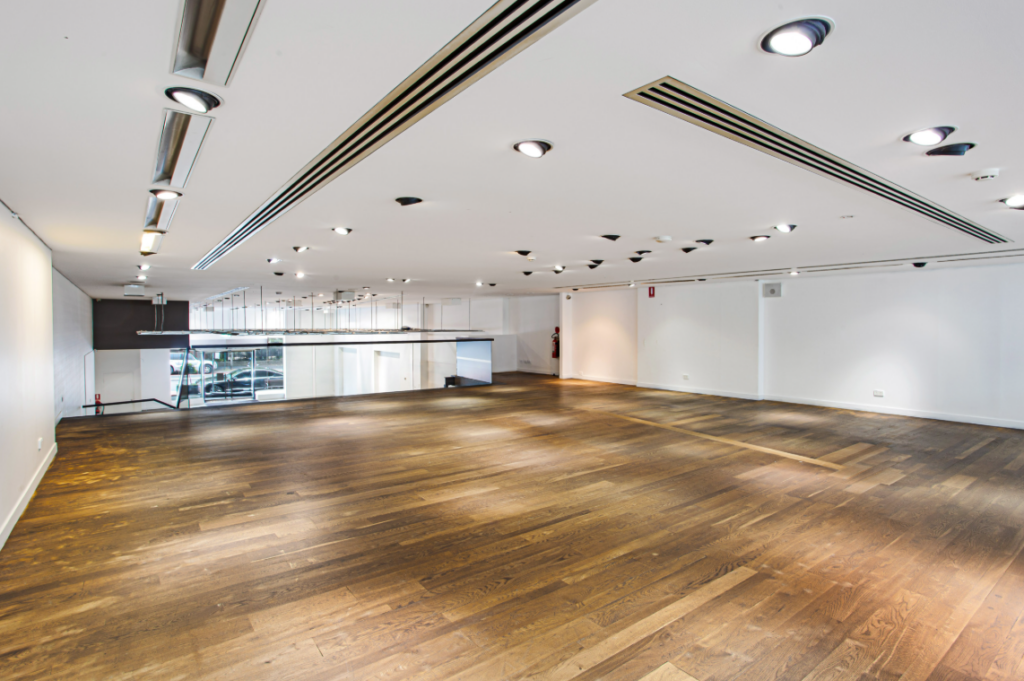
Space listings include detailed information about size, location, amenities, and pricing. You can compare options quickly without scheduling multiple site visits.
Booking confirmations happen faster than traditional commercial leasing. Many spaces offer instant booking for shorter-term rentals.
Support services help navigate permit requirements, insurance needs, and space setup logistics. This guidance reduces the administrative burden on first-time Pop up operators.
For businesses planning PR events and activations, combining retail and event space creates powerful marketing opportunities.
Your Sydney Pop up Success Story Starts Here
Pop up retail in Sydney offers genuine business opportunities for brands willing to plan carefully and execute professionally. The city's diverse neighborhoods, strong consumer spending, and growing acceptance of temporary retail create favorable conditions for success.
Start with clear objectives. Whether you're testing a new market, clearing inventory, or building brand awareness, your goals should guide location selection, space design, and marketing strategies.
Plan for success by addressing legal requirements, inventory management, and customer experience details before opening day. Successful Pop ups look effortless but require extensive preparation.
Ready to bring your brand to life in Sydney? Browse Pop up spaces in Sydney and start planning your successful venture today.