Melbourne Pop up Space Guide for Retail Brands
7 mins
The Allure of Melbourne for Pop up Ventures
Melbourne Pop up space opportunities give brands a flexible way to test concepts, engage customers, and activate in high-traffic retail areas. The city's creative energy and diverse neighbourhoods create perfect conditions for Pop up concepts to thrive. From converted warehouses in Fitzroy to sleek retail spaces in Collins Street, finding the perfect Melbourne Pop up space means understanding both your brand and the city's unique micro-markets.
Melbourne shoppers expect something different. They value authenticity over polish. This gives Pop up ventures a distinct advantage - your temporary nature becomes a selling point rather than a limitation.
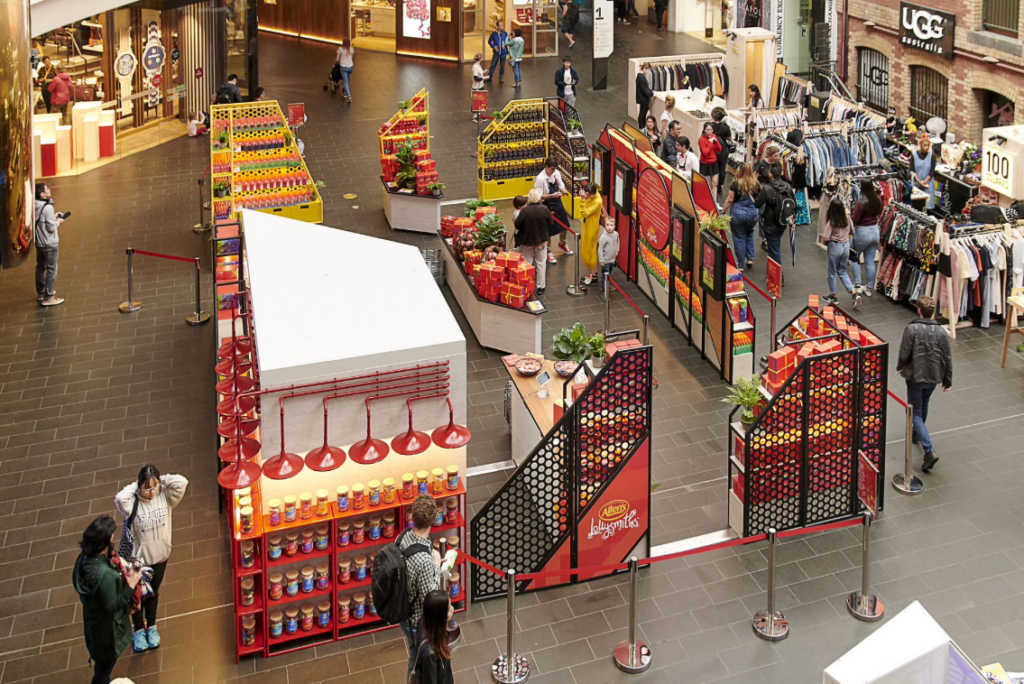
Defining Your Pop up Vision: What Are You Looking For?
Start with your product or service. Fashion brands need different requirements than food concepts. Art installations require different setups than tech product launches. Define these needs before you start browsing spaces.
Consider your customer flow. How many people do you expect? Do you need storage for inventory? Will customers need to queue outside? These practical questions shape your space requirements more than aesthetic preferences.
Space Size and Layout
Most successful Pop ups in Melbourne range from 30 to 150 square metres. Smaller spaces work for jewellery or artisanal products. Larger footprints suit fashion or furniture concepts. Consider both your display needs and customer comfort.
Open floor plans offer flexibility but may require additional setup costs. Divided spaces come with built-in zones but limit your layout options.
Duration and Timing
Melbourne's retail calendar peaks around festivals, school holidays, and major events. Pop up spaces in Melbourne book quickly during these periods. Plan your timing around both your product launch schedule and the city's seasonal trends.
Choosing the Right Melbourne Pop up Space
Location determines foot traffic, but foot traffic doesn't guarantee sales. The right customers matter more than large numbers.
Accessibility and Transport Links
Melbourne's tram network connects most commercial areas. Spaces near tram stops see higher foot traffic. Car parking becomes crucial for bulky purchases or family-oriented products.
Loading access affects your setup and restocking capabilities. Ground floor spaces with rear access simplify logistics. Upper floors or basement locations may require additional planning for deliveries.
Surrounding Businesses
Your neighbours influence your customer base. Coffee shops and restaurants draw different crowds than banks or medical centres. Visit potential locations during your planned operating hours. Count actual foot traffic rather than relying on estimates.
Complementary businesses can boost your sales. A Pop up bookstore works well near cafes. Fashion concepts suit areas with existing retail clusters.
Infrastructure and Utilities
Check electrical capacity for your equipment needs. Point-of-sale systems, lighting, and any specialty equipment require adequate power supply. WiFi reliability affects both operations and customer experience.
Water access becomes essential for food concepts or demonstrations requiring cleanup. Storage space for packaging materials, spare inventory, and personal items often gets overlooked during initial planning.
Popular Melbourne Neighbourhoods for Pop ups
Each Melbourne area attracts different demographics and supports different Pop up concepts.
Fitzroy and Collingwood
Creative types and young professionals frequent these areas. Fashion, art, and lifestyle products perform well here. Expect higher rent but engaged customers willing to pay premium prices for unique items.
Weekend foot traffic peaks significantly. Thursday to Sunday often generates 70% of weekly revenue in these areas.
South Melbourne and Port Melbourne
Growing residential population creates demand for convenience products and services. Family-oriented concepts work well. Lower rent allows longer-term experiments with pricing and product mix.
Weekday lunch crowds provide additional revenue opportunities for food concepts or quick-purchase items.
CBD and Collins Street
Office workers dominate weekday traffic. Lunch and after-work hours see peak activity. Products suited to gift-giving or professional needs perform well.
High rent requires strong daily sales targets. Short-term activations often work better than extended retail experiments.
Chapel Street and Prahran
Established shopping destination with mix of locals and tourists. Fashion and lifestyle products suit the existing retail environment. Competition from established stores requires strong differentiation.
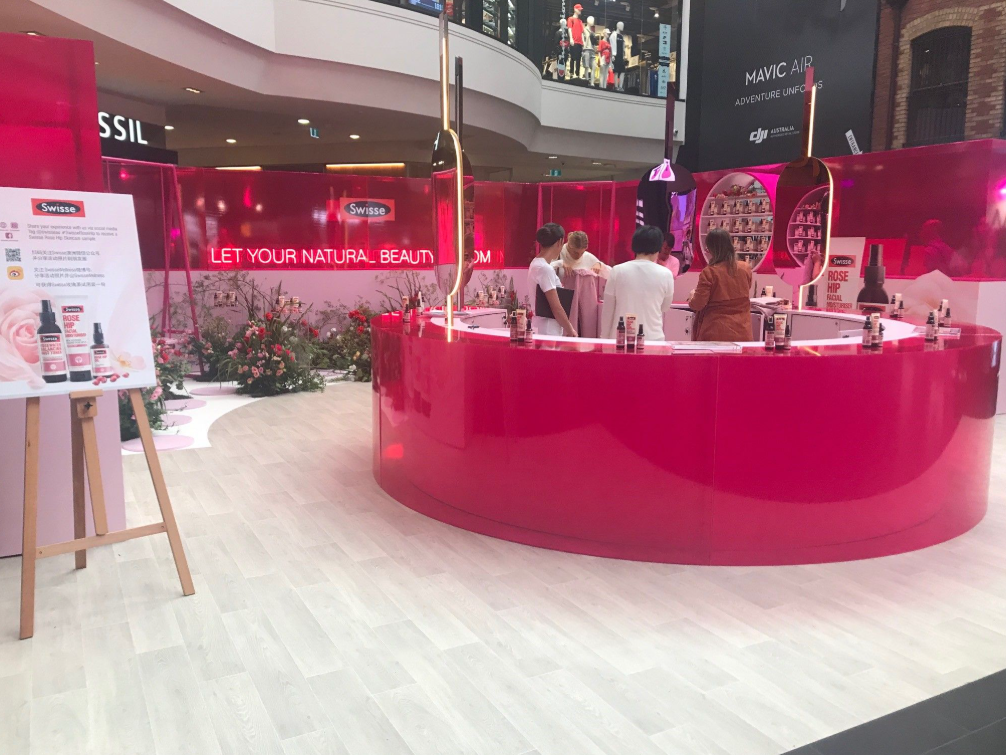
Beyond Retail: Exploring Diverse Pop up Concepts
Melbourne's Pop up scene extends far beyond traditional retail. Various Pop up retail formats succeed here, from art galleries to co-working experiments.
Food and Beverage Pop ups
Melbourne's food culture supports experimental dining concepts. Pop up restaurants, specialty coffee concepts, and artisanal food producers find receptive audiences. Licensing requirements vary by council area. Check permits before committing to spaces.
Service-Based Pop ups
Wellness services, beauty treatments, and professional consultations work well in converted retail spaces. Lower inventory requirements reduce setup costs. Appointment-based models provide predictable revenue streams.
Experience and Workshop Venues
Learning experiences and hands-on workshops generate higher per-customer revenue than product sales. Art classes, cooking workshops, and skill-building sessions attract engaged participants willing to pay premium prices.
How Spacenow Simplifies Your Melbourne Pop up Search
Spacenow's platform shows real availability across Melbourne's diverse neighbourhoods. Filter by size, duration, and specific requirements to find spaces matching your concept.
Detailed space information includes photos, dimensions, and utility details. Host profiles show previous successful Pop ups in each space. Direct messaging with space owners speeds up the enquiry process.
Condition reports document space state before and after your tenancy. This protects both parties and simplifies handover processes.
Maximising Your Melbourne Pop up Success
Success metrics vary by concept, but customer acquisition cost and repeat engagement rate matter more than absolute sales numbers for most Pop ups.
Profitable Pop up strategies focus on building lasting customer relationships rather than maximising short-term revenue. Collect customer contact information for future marketing. Document what works for potential permanent location decisions.
Marketing Your Melbourne Pop up
Social media drives most Pop up discovery in Melbourne. Instagram and TikTok perform better than Facebook for reaching new customers. Local influencer partnerships generate more authentic engagement than paid advertising.
Collaborate with neighbouring businesses for cross-promotion opportunities. Joint events or shared marketing efforts reduce individual costs while expanding reach.
Operational Efficiency
Streamlined checkout processes reduce queue times and improve customer experience. Mobile payment options work better than cash-only systems in most Melbourne locations.
Staff scheduling affects both costs and customer service quality. Peak hours vary by location and day of week. Monitor patterns during your first week to optimize subsequent scheduling.
Ready to Launch Your Melbourne Pop up?
Melbourne's dynamic retail environment rewards creativity and adaptability. The right space provides more than just square metres - it offers access to the customers who will value your unique concept.
Start your search with clear requirements but remain flexible about location and layout. The perfect space might exist in a neighbourhood you hadn't considered.
Ready to find your ideal Melbourne Pop up space? Browse Pop up spaces in Melbourne on Spacenow today and turn your concept into reality.