Why International Brands Are Testing Melbourne Retail Space First
4 mins
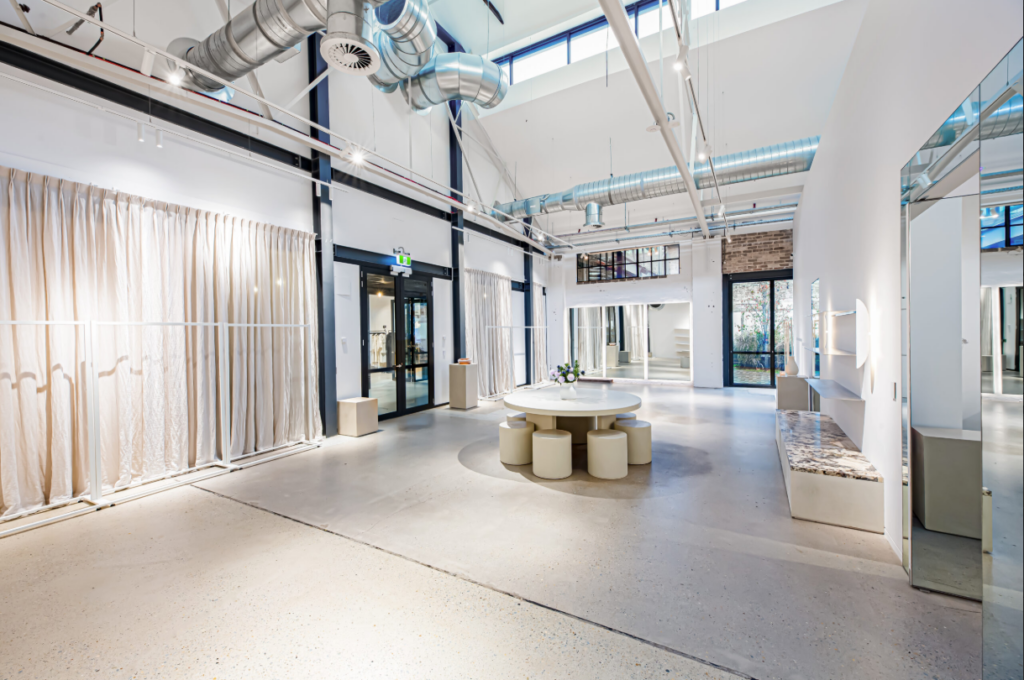
When international brands look at Australia, they rarely start randomly.
They start strategically.
And increasingly, that strategy begins with the Melbourne retail space.
Melbourne is not just another major city. It functions as a cultural filter, a commercial testing ground, and a launchpad into the wider Asia-Pacific region. For brands entering Australia for the first time, it offers something critical: validation with credibility.
Here’s why Melbourne is often the first stop.
1. Tourism Strength Creates Immediate Visibility
Retail thrives where audiences flow.
According to Tourism Research Australia, Melbourne continues to attract strong domestic and international visitation, particularly from key Asia-Pacific markets. The city consistently ranks among Australia’s most visited urban destinations for both leisure and business travel.
For international brands, this matters because:
- You gain exposure to both local consumers and global visitors simultaneously.
- Tourist-heavy precincts create natural brand discovery moments.
- Event-driven visitation supports short-term activations.
Melbourne’s calendar - from major sporting events to fashion festivals - creates recurring foot traffic spikes. This makes short-term retail testing commercially viable without long-term risk.
It is not just about population size. It is about audience diversity.
2. Cultural Districts Offer Built-In Brand Positioning
Melbourne’s retail landscape is not homogenous. It is segmented by identity.
Neighbourhoods like:
- Fitzroy
- Collingwood
- Brunswick
- South Yarra
- The CBD luxury corridor
each attracts distinct audiences.
This allows international brands to test positioning with precision.
Launching a premium concept? The CBD luxury spine offers credibility.
Launching a contemporary or design-led label? Fitzroy and Collingwood provide cultural alignment.
Melbourne’s retail districts are effectively curated environments. Brands can choose not just a location, but a context.
This is why Melbourne works so well as a test market. It offers micro-markets within a single city.
3. Melbourne’s Reputation as a Fashion and Design Capital
Melbourne is widely regarded as Australia’s fashion and design capital.
It supports:
- Independent designers
- Global fashion houses
- Concept retail
- Creative collaborations
This reputation is reinforced by industry visibility and sector support outlined in the retail and consumer goods insights from Austrade.
For international brands, this positioning delivers two advantages:
- Credibility - If a brand performs well in Melbourne, it signals product-market fit in a design-conscious city.
- Media and PR traction - Melbourne audiences respond strongly to curated, limited-run, or experiential activations.
Retail here is not purely transactional. It is cultural participation.
That creates fertile ground for Pop ups, capsule collections, and market-entry pilots.
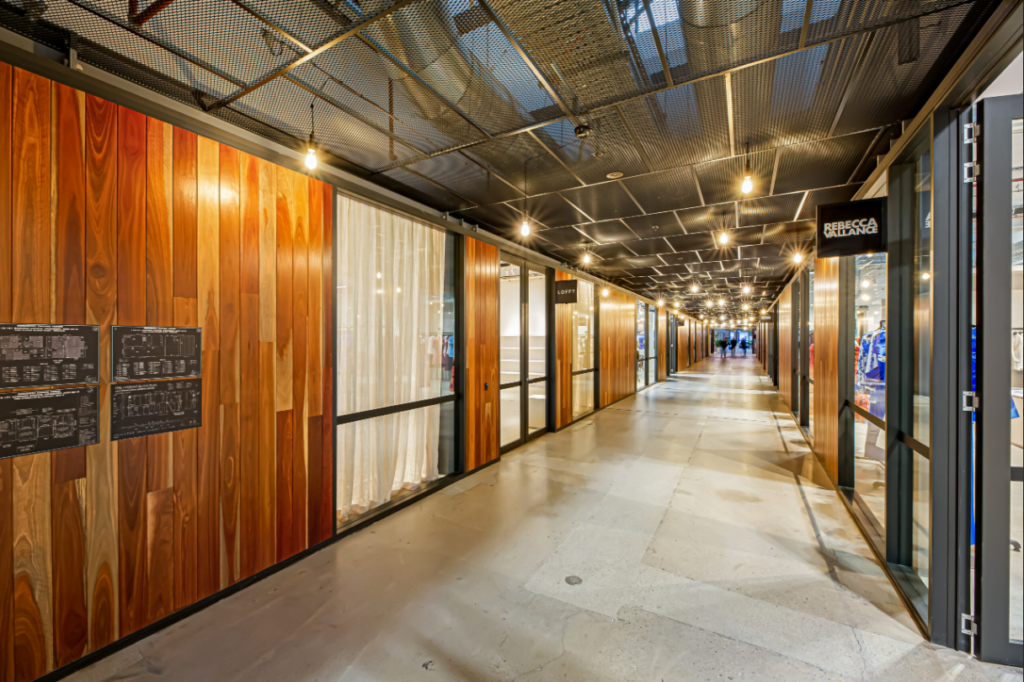
4. Melbourne as an Asia-Pacific Entry Point
For brands expanding from Asia, Europe, or North America, Melbourne often serves as a controlled first step into Australia and the broader region.
Why?
- Stable regulatory environment
- Sophisticated consumer base
- Strong logistics infrastructure
- Multicultural demographics
Melbourne consumers are globally aware. They adopt international brands quickly but expect quality and authenticity.
Testing in the Melbourne retail market allows brands to:
- Validate pricing strategy
- Understand local consumer behaviour
- Refine marketing messaging
- Gauge long-term expansion potential
It is lower risk than committing to a national rollout.
It is smarter than entering multiple cities at once.
5. Flexibility Makes Testing Practical
Melbourne’s retail ecosystem supports short-term activation models.
International brands are not signing 5-year leases immediately. They are:
- Running 4-week Pop ups
- Partnering with local retailers
- Hosting seasonal activations
- Launching limited capsule collections
Short-term retail space reduces exposure while delivering meaningful data.
This aligns with modern expansion strategy: test, refine, scale.
What This Means for International Brands
The Melbourne retail market offers something unique in Australia:
- Strong tourism inflow
- Defined cultural districts
- A design-forward consumer base
- Asia-Pacific proximity
- Flexible entry pathways
It is not simply a city to trade in. It is a city to validate in.
At Spacenow, we see international brands using short-term hire as a structured market-entry tool. Rather than committing before understanding demand, they activate, measure, and iterate.
Melbourne rewards brands that are intentional.
If you are considering expansion into Australia, the question is not whether Melbourne works.
The question is how you structure your first move.