Pop-Up Retail Operations: The Logistics Brands Often Overlook
4 mins
Pop-ups are often seen as creative, fast-moving brand activations.
But behind every visually compelling space is something less visible and just as critical:
Operations.
A strong concept might attract attention, but without solid execution, even the best pop-up can underperform. Insights from Event Marketer consistently highlight that operational planning is what separates seamless activations from stressful ones.
For brands using flexible retail spaces, understanding pop-up retail operations is essential to delivering a smooth, high-impact experience.
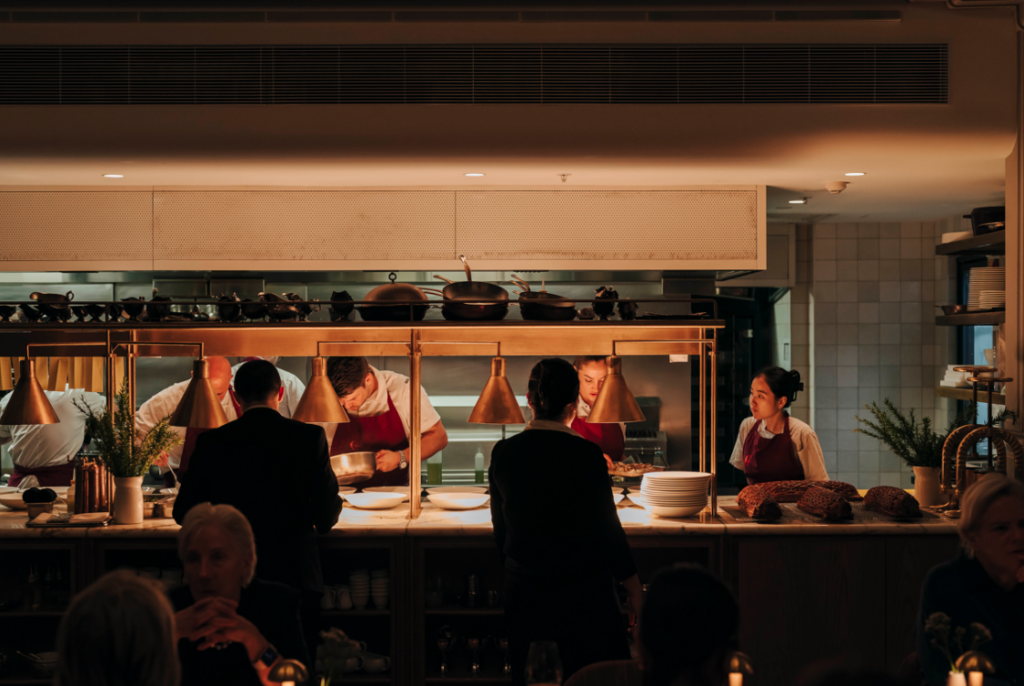
Why Operations Matter More Than You Think
From the outside, a pop-up looks simple:
- A space
- A product
- A few staff
But in reality, it involves:
- Logistics coordination
- Inventory management
- Staffing strategy
- Compliance requirements
When operations are overlooked, common issues arise:
- Stockouts during peak hours
- Long wait times
- Disorganised displays
- Missed sales opportunities
The takeaway:
Execution isn’t just backend, it directly affects customer experience and revenue.
The Core Pillars of Pop-Up Retail Operations
1. Staffing: More Than Just Sales
Your team is the face of your brand.
In a pop-up environment, staff need to:
- Engage customers quickly
- Communicate brand story clearly
- Handle transactions efficiently
Consider:
- Peak vs off-peak staffing levels
- Training on product knowledge and brand tone
- Assigning clear roles (sales, support, stock handling)
Tip:
Pop-ups often require more energy and adaptability than traditional retail - hire accordingly.
2. Inventory Flow: Balancing Supply and Demand
Inventory planning is one of the most common operational challenges.
Too little stock:
- Missed sales
- Frustrated customers
Too much stock:
- Storage issues
- Increased costs
Best practices:
- Forecast demand based on location and duration
- Plan for restocking during the activation
- Track fast-moving items daily
Real advantage of short-term retail:
You can test demand patterns and refine quickly for future activations.
3. Storage & Back-of-House Planning
Pop-up spaces are often compact - and storage is limited.
Without proper planning:
- Clutter builds up
- Staff efficiency drops
- Customer experience suffers
Plan for:
- Off-site storage if needed
- Smart use of vertical space
- Easy access to frequently restocked items
Think beyond the front-of-house - operational flow matters.
4. Permits and Compliance
Depending on the location, pop-ups may require:
- Permits or approvals
- Insurance coverage
- Safety compliance checks
These vary by:
- City
- Venue type
- Activation scale
Missing these steps can delay or disrupt your activation.
Key approach:
Clarify requirements early to avoid last-minute issues.
5. Technology & Payment Systems
A seamless checkout experience is essential.
Ensure:
- Reliable POS systems
- Backup payment options
- Stable internet connection
Also consider:
- QR codes for digital integration
- Email capture tools
- Inventory tracking systems
Operational efficiency here directly impacts conversion rates.
Timing and Coordination in Pop-Up Retail Operations
Pop-ups are time-bound which means every hour counts.
Operational success depends on:
- Efficient setup and pack-down
- Clear timelines
- Team coordination
Delays in setup can:
- Reduce trading hours
- Impact first impressions
- Create unnecessary stress
A well-planned schedule ensures:
- Smooth launch
- Consistent daily operations
- Clean exit at the end of the activation
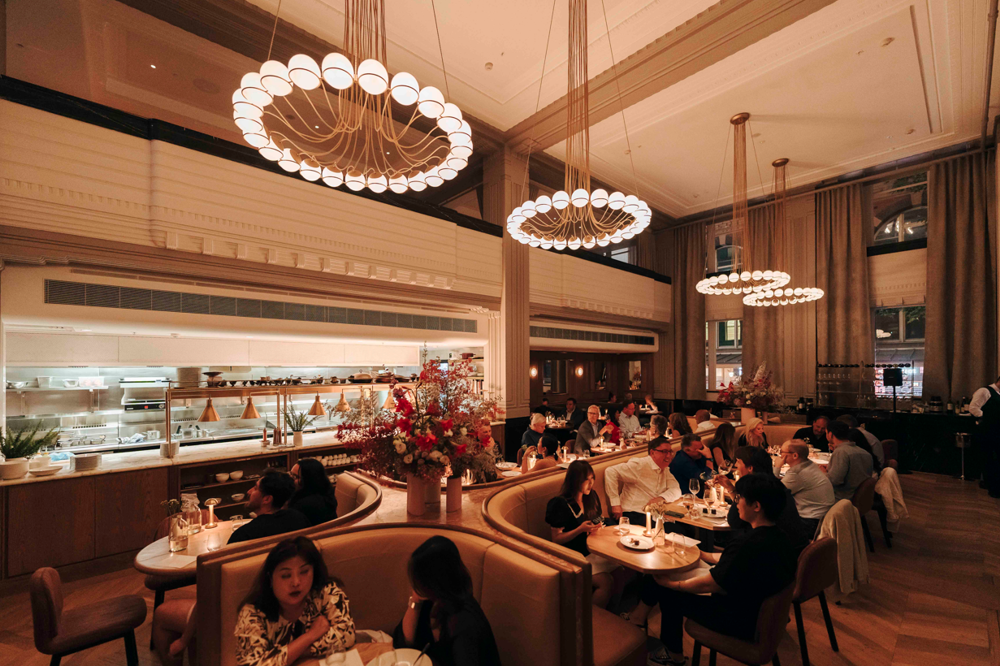
How Spacenow Supports Operational Simplicity
Spacenow’s flexible retail model helps reduce many traditional operational barriers.
By providing access to ready-to-use spaces, brands can:
- Focus on execution rather than setup complexity
- Activate quickly with minimal friction
- Choose locations that match their operational capacity
This allows founders and teams to prioritise:
customer experience, brand storytelling, and performance.
Common Operational Mistakes to Avoid
Underestimating demand
Running out of stock during peak periods.
Overcomplicating the setup
Complex layouts slow down both staff and customers.
Insufficient staff training
Inconsistent messaging and missed engagement opportunities.
Ignoring backend flow
Poor storage and restocking processes create visible friction.
Leaving compliance too late
Permits and approvals should never be an afterthought.
Turning Operations Into a Competitive Advantage
The best pop-ups feel effortless to customers, but that’s the result of intentional operational design.
When operations are done right:
- Staff are confident and engaging
- Products are always available
- The space feels organised and welcoming
- Customers move smoothly through the experience
This directly impacts:
- Conversion rates
- Customer satisfaction
- Brand perception
Final Thought
Pop-ups may be temporary, but their impact isn’t.
And while design and marketing drive attention, operations drive results.
By focusing on strong pop-up retail operations, brands can:
- Deliver seamless experiences
- Maximise every interaction
- Turn short-term activations into long-term growth
With flexible retail platforms like Spacenow making access easier than ever, success comes down to one thing:
Not just showing up, but showing up prepared.