Pop up retail space: what it is and how your business can benefit
5 mins
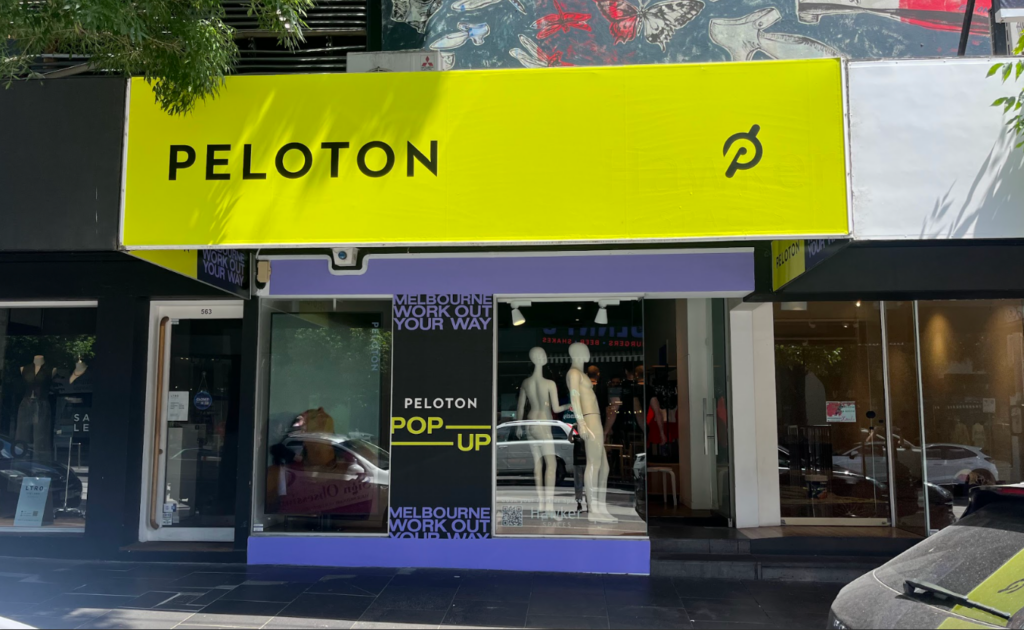
Pop up retail space is no longer limited to temporary experiments or short-term trends. In today’s fast-moving market, many brands are choosing temporary retail space to test ideas, enter new locations, and connect with customers without the long-term commitment of traditional leases.
Pop up retail spaces offer flexibility, speed, and lower risk. Whether you’re launching a product, expanding into a new market, or creating short-term brand awareness, pop ups provide a practical way to turn physical presence into measurable results.
This guide breaks down what pop up retail space is, why it works, and how businesses use it effectively.
What is pop up retail space?
Pop up retail space refers to temporary physical locations used by brands for a defined period, from a few days to several months. These spaces can appear in vacant storefronts, shopping centres, markets, events, or high-foot-traffic precincts.
Unlike permanent retail space, pop ups are designed to be agile. They allow brands to activate quickly, adapt easily, and exit without long-term obligations.
Common characteristics of pop up retail space include:
- Short-term duration with clear start and end dates
- Flexible locations and formats
- Lower upfront and ongoing costs
- Experience-led design
- Built-in urgency that drives foot traffic and engagement
Pop up retail has evolved from a stopgap solution into a core retail space strategy used by both emerging and established brands.
Why brands use pop up retail space
Test new markets with less risk
Launching a permanent retail space requires capital and long-term commitment. Pop up retail allows brands to trial locations, neighbourhoods, or cities before deciding to scale.
Build brand awareness and buzz
Temporary retail space naturally creates excitement. Customers are more likely to visit and share limited-time experiences, helping brands generate organic visibility.
Drive short-term revenue
Pop ups are often timed around product launches, peak seasons, or events when purchase intent is high. The urgency of temporary retail space can increase conversion rates.
Create a face-to-face customer connection
For digital-first brands, pop up retail space provides a physical touchpoint. Customers can experience products in person, building trust and strengthening brand recall.
Reduce overhead and commitment
Compared to permanent retail space, pop ups typically require lower upfront investment and shorter commitments, making them accessible to a wider range of businesses.

Who benefits most from pop up retail space?
Pop up retail space works especially well for:
- E-commerce and online brands looking to create physical experiences
- Startups and growing businesses testing product-market fit
- Seasonal brands that don’t need year-round retail space
- Product launches and limited editions
- Service-based businesses offering treatments, demos, or consultations
Any brand that values flexibility and speed can benefit from temporary retail space.
How to launch a successful pop up retail space
1. Define your goal
Before choosing retail space, clarify your objective. Are you testing demand, driving sales, collecting customer feedback, or building awareness? Clear goals shape better decisions.
2. Choose the right retail space
The best pop up locations align with your audience, not just foot traffic volume. Consider:
- Customer demographics
- Timing and peak activity
- Accessibility and visibility
- Nearby complementary businesses
3. Plan permits and insurance
Depending on location and use, pop up retail space may require permits, approvals, and insurance. Planning early avoids delays.
4. Design for impact
Temporary retail space should still feel intentional. Focus on:
- Clear layout and customer flow
- Strong visual identity
- Interactive or experiential elements
- Practical needs like storage and checkout
5. Promote before and during
Pop ups perform best when supported by marketing. Use social media, email, partnerships, and local promotion to build anticipation and drive traffic.
6. Measure and learn
Track foot traffic, sales, engagement, and feedback. One of the biggest advantages of pop up retail space is the insight it provides for future decisions.

What happens after the pop up?
The value of pop up retail space doesn’t end when the activation closes. Many brands use pop ups to:
- Grow online audiences
- Capture customer data
- Refine products and pricing
- Decide whether a permanent retail space makes sense
Pop ups often act as a testing ground for smarter, more sustainable retail strategies.
Why pop up retail space matters today
Retail space is no longer about permanence. It’s about adaptability.
Pop up retail allows brands to stay relevant, responsive, and customer-focused in a market that rewards speed and experience. As consumer expectations continue to evolve, flexible retail space will remain a critical tool for growth.
At Spacenow, we help brands find and activate retail space that suits their goals, timelines, and budgets, from short-term pop ups to longer-term opportunities.
Find retail space that works the way modern brands do.