Pop-Up Retail Trends in Australia: What’s Hot & How to Join In
7 mins
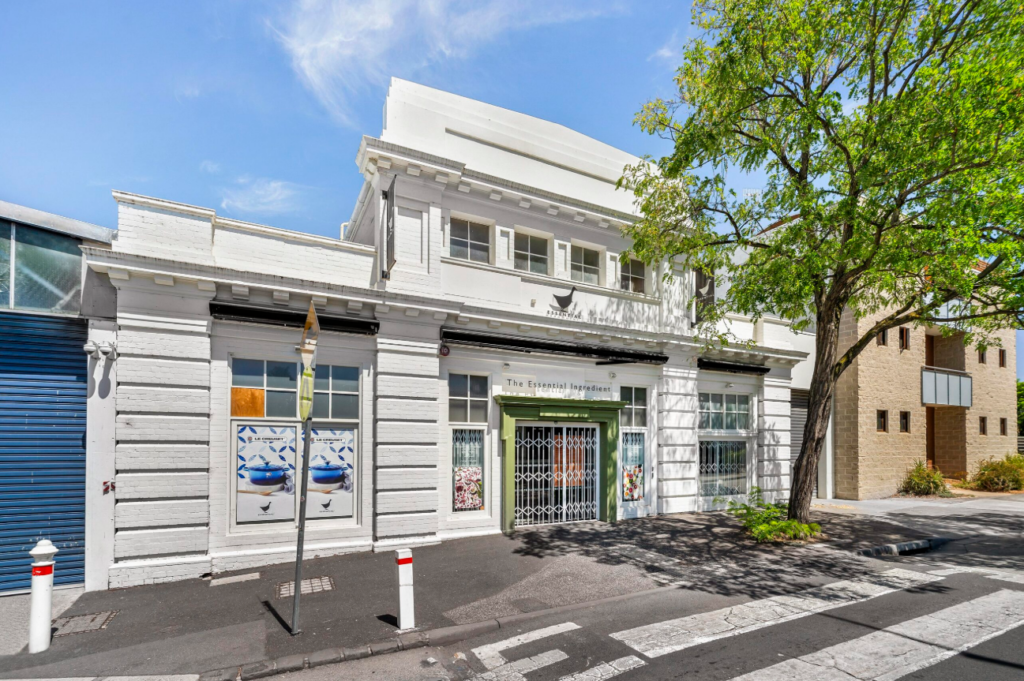
Pop-up retail has moved far beyond weekend markets and temporary Christmas shops. Australian brands now use pop-ups as strategic testing grounds, community-building spaces, and revenue generators that complement their main operations.
This shift reflects broader changes in how consumers shop and how businesses operate. Short-term retail spaces offer flexibility that traditional leases can't match, while giving brands direct access to their customers in ways online channels simply don't provide.
Key Pop-Up Retail Trends Shaping the Australian Market
Experience-First Retail
Today's successful pop-ups focus on creating memorable experiences rather than just moving inventory. Brands are installing interactive displays, offering workshops, and creating photo-worthy environments that generate social media buzz.
Fashion labels host styling sessions. Food brands run cooking demonstrations. Tech companies set up hands-on product trials. The goal isn't just sales - it's building lasting connections with customers.
Hybrid Digital-Physical Spaces
The line between online and offline retail continues to blur. Pop-ups now integrate QR codes for instant purchasing, augmented reality try-ons, and live streaming to reach customers who can't visit in person.
Some brands use pop-ups primarily as content creation studios, filming product demonstrations and customer interactions for their digital channels. The physical space becomes a backdrop for building online presence.
Community-Centric Activations
Australian consumers increasingly support brands that contribute to their local communities. Pop-ups are responding by partnering with local artists, supporting community causes, and creating spaces that feel authentically connected to their neighbourhoods.
These collaborations often extend beyond the pop-up duration, creating ongoing relationships that benefit both the brand and the community.
Sustainable and Circular Retail Models
Environmental consciousness is driving new pop-up formats. Brands are launching clothing swap events, repair cafes, and upcycling workshops. These models reduce waste while creating engaging customer experiences.
Some retailers use pop-ups specifically to sell excess inventory or test sustainable product lines before committing to full-scale launches.
Why Australian Businesses are Embracing Pop-Ups More Than Ever
Market Testing Without Long-Term Risk
Traditional retail leases lock businesses into years of payments regardless of performance. Pop-ups allow brands to test new products, locations, and customer segments with minimal financial exposure.
A Sydney tech startup might test their product in pop-up spaces in Melbourne before deciding whether to expand there permanently. A Melbourne fashion brand can gauge Sydney market response without signing a multi-year lease.
Lower Barriers to Entry
Starting a retail business traditionally required significant upfront investment in fit-outs, long-term leases, and inventory. Pop-ups reduce these barriers dramatically.
New entrepreneurs can launch with smaller budgets and shorter commitments. This democratisation of retail space access has led to more diverse and innovative brands entering the market.
Flexibility for Seasonal and Event-Driven Sales
Many businesses have inherently seasonal or event-driven sales patterns. Pop-ups perfectly match these rhythms, allowing brands to scale their physical presence up and down as needed.
Holiday gift retailers, summer fashion brands, and event-specific merchandise sellers can now access prime retail locations exactly when they need them most.
Direct Customer Feedback and Data Collection
Pop-ups provide unfiltered access to customer reactions, preferences, and purchasing behaviours. This real-time feedback is invaluable for product development, marketing strategies, and business planning.
Brands can observe how customers interact with their products, what questions they ask, and which features generate the most interest. This data often proves more valuable than the immediate sales revenue.
Finding Your Ideal Pop-Up Space with SpaceNow
The success of any pop-up depends heavily on choosing the right location and space type. Different objectives require different venue characteristics.
Location Considerations
High foot traffic areas work well for impulse purchases and brand exposure, but they come with higher costs. Quieter locations might suit experiential activations where customers spend more time engaging with the brand.
Pop-up spaces in Sydney offer access to diverse demographics across different suburbs, from trendy Surry Hills to business-focused areas near the CBD. Each location attracts different customer types and supports different pop-up objectives.
Space Types and Formats
Traditional storefronts work for most retail pop-ups, but alternative formats are gaining popularity. Warehouse spaces suit larger activations or events that combine retail with entertainment.
Creative studios offer unique backdrops for brands wanting to emphasise artisanal or handmade qualities. Different pop-up retail formats serve different strategic purposes, and choosing the right one affects both costs and outcomes.
Timing and Duration
Pop-up duration affects both customer expectations and operational requirements. Weekend-only activations create urgency and excitement. Month-long pop-ups allow for deeper customer relationships and word-of-mouth marketing.
Consider local events, seasonal patterns, and your own business calendar when selecting dates. A pop-up scheduled during a local festival or cultural event can benefit from increased foot traffic.
Tips for Launching a Successful Pop-Up in Today's Climate
Plan for Multiple Objectives
The most successful pop-ups achieve several goals simultaneously. Revenue generation, brand awareness, customer data collection, and market testing can all happen within the same activation.
Define your primary objective but build in opportunities for secondary benefits. A sales-focused pop-up can still collect email addresses for future marketing. A brand awareness activation can still generate immediate sales.
Create Shareable Moments
Social media amplification extends your pop-up's reach far beyond its physical visitors. Design elements specifically for sharing - unique backdrops, interactive displays, or exclusive products only available at the pop-up.
Consider how your space will look in photos and videos. Good lighting, clear branding, and interesting visual elements encourage customers to share their experience with their networks.
Build in Flexibility
Successful pop-ups adapt based on customer response and operational realities. Design your space and operations to allow for adjustments during the activation period.
Stock levels, staffing, pricing, and even product mix might need changes as you learn what works in your specific location and context. Making pop-ups profitable often requires real-time optimisation based on actual performance data.
Prepare for Operational Challenges
Pop-ups face unique operational challenges that permanent stores don't encounter. Payment processing, inventory management, and staff coordination all require careful planning in temporary spaces.
Test all systems before opening day. Have backup plans for common issues like payment processing failures or unexpected inventory shortages. Clear communication with your space provider about utilities, access, and any restrictions prevents last-minute surprises.
The Future is Flexible
Pop-up retail in Australia continues evolving as brands become more sophisticated in their approach and consumers become more comfortable with temporary retail experiences.
The trend toward experiential retail, community engagement, and sustainable business practices aligns perfectly with what pop-ups can deliver. Brands that master the pop-up format position themselves well for a retail landscape that increasingly values flexibility, authenticity, and customer connection over traditional metrics like square footage and lease duration.
Success in this environment requires understanding your customers, choosing the right spaces, and executing with both creativity and operational excellence. The brands thriving in pop-up retail treat each activation as both a business opportunity and a learning experience that informs their broader strategy.
Ready to bring your brand to life with a pop-up? Browse pop-up spaces across Australia and start planning your next activation today.