Pop-Up Spaces: Why Customers Spend More in Temporary Retail
4 mins
Retail space expansion used to follow a predictable formula: long leases, permanent fit-outs, and high upfront investment. Brands would commit to locations for years before knowing if a market would perform.
That model is rapidly changing.
Across global retail markets, brands are shifting toward flexible retail space strategies that prioritise speed, experimentation, and lower risk. Instead of committing to permanent locations, companies are using short-term retail space, pop-ups, and rotating activations to grow their presence more strategically.
Insights from the CBRE Global Retail Outlook and the PwC Retail Transformation Report show that modern retail expansion is increasingly portfolio-based, data-driven, and flexible.
Here’s why.
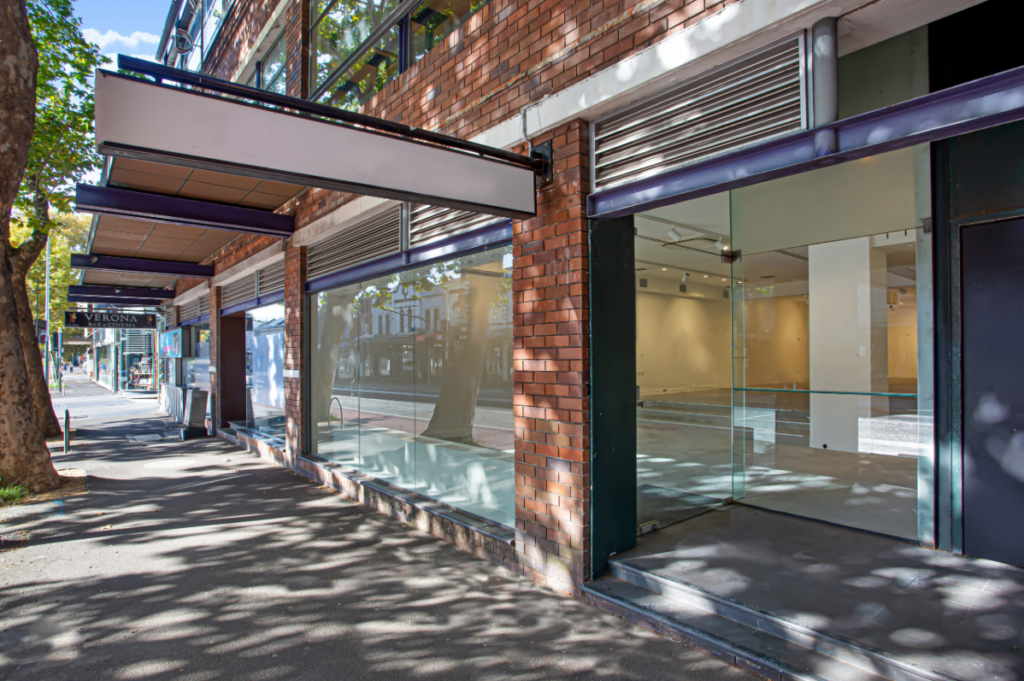
The Problem With Traditional Store Expansion
Traditional retail expansion relies on long-term leases and fixed locations. While this model worked well when consumer behaviour was more predictable, today’s retail environment moves faster.
Brands now face:
- Rapidly changing customer preferences
- E-commerce competition
- Higher commercial rent in major retail hubs
- The need to test markets before committing
Long-term leases lock brands into a location before they fully understand whether demand exists.
Flexible retail space changes that dynamic by allowing brands to validate markets first before scaling permanently.
Multi-Location Testing: Expanding Without Long-Term Risk
Modern retail growth is increasingly based on testing multiple markets simultaneously.
Instead of committing to a flagship store immediately, brands are using short-term retail space across several locations to identify where demand is strongest.
This approach allows retailers to evaluate:
- Foot traffic quality
- Customer demographics
- Local purchasing behaviour
- Product performance by region
According to insights referenced in the CBRE Global Retail Outlook, flexible retail formats enable brands to gather real-world consumer data faster than traditional retail expansion models.
Once performance is validated, brands can decide whether to:
- Extend the activation
- Return seasonally
- Launch a permanent store
The decision becomes data-backed rather than speculative.
Rolling Pop-Up Strategies
Another emerging strategy is the rolling pop-up model.
Instead of launching a single temporary store, brands rotate their retail space activations across multiple high-traffic areas throughout the year.
For example:
- A fashion brand may activate a retail space in a CBD location during peak shopping seasons
- Move to a lifestyle precinct during festival periods
- Launch a short activation in a shopping centre during holiday retail peaks
This strategy keeps the brand visible in multiple markets without committing to permanent leases.
The PwC Retail Transformation Report highlights that experiential and temporary retail environments are becoming critical tools for customer engagement and brand discovery.
Rather than relying solely on static stores, brands create dynamic retail presence across different locations.
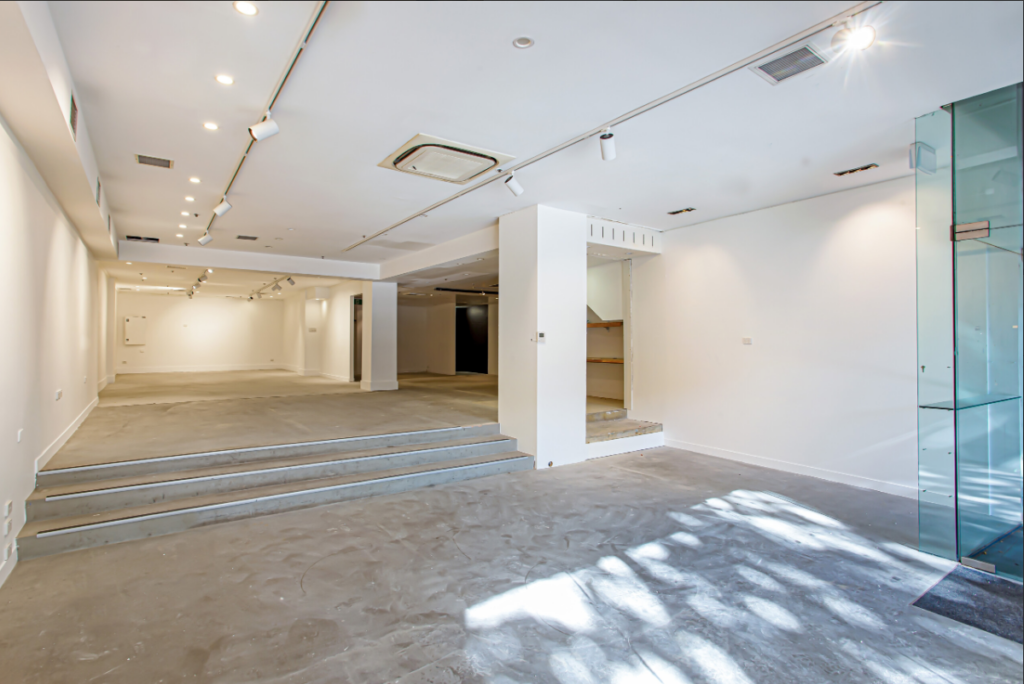
The Rise of Portfolio Retail Models
Retail growth is increasingly managed like an investment portfolio.
Instead of a single large store, brands now operate a mix of:
- Flagship stores
- Short-term retail space activations
- Seasonal pop-ups
- Event-based retail experiences
This portfolio retail model spreads risk across multiple locations and formats.
If one activation underperforms, another location may exceed expectations.
Brands gain:
- Geographic reach
- Market insight
- Lower capital exposure
- Faster expansion capability
Flexible retail space becomes a strategic testing ground within a broader retail network.
Why Flexible Retail Space Works
Flexible retail space offers advantages that traditional retail expansion cannot easily match.
Lower Financial Risk
Short-term retail space reduces the financial commitment required to enter a market.
Brands can validate demand before investing in permanent infrastructure.
Faster Market Entry
Temporary retail spaces can launch quickly, allowing brands to capitalise on trends, seasonal demand, or local events.
Real-World Customer Insight
Unlike online data, physical retail provides direct insight into:
- Customer interaction
- Product engagement
- Immediate purchase behaviour
This real-world feedback loop is invaluable when refining retail strategy.
Scalable Growth
Flexible retail allows brands to expand gradually and strategically, increasing presence in markets that demonstrate strong performance.
The Future of Retail Expansion
Retail is no longer defined by static storefronts.
Instead, growth is shifting toward adaptive, experience-driven retail strategies built around flexible retail space.
Brands that embrace this model can:
- Test markets faster
- Engage customers more directly
- Expand with less financial risk
- Build retail networks based on real performance data
As the retail landscape continues to evolve, flexible retail space is becoming a core strategy for modern brand expansion.