Shared Spaces for Events: Complete Booking Guide
6 mins
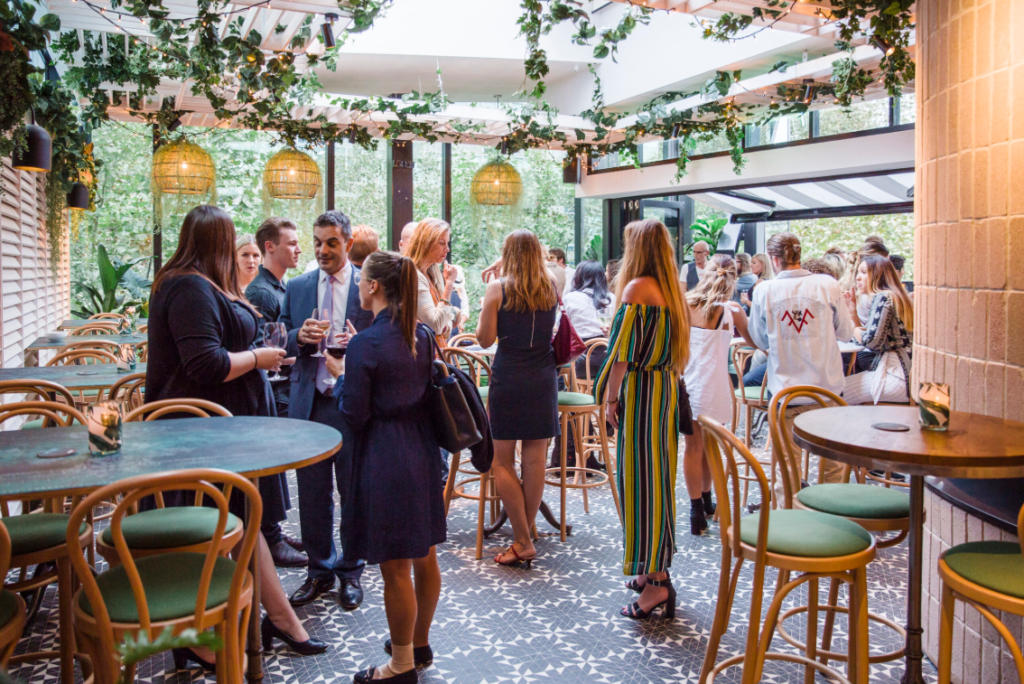
Shared spaces for events give brands and businesses a flexible way to create memorable experiences without the limitations of traditional venues. The venue you choose sets the tone for everything that follows. Shared spaces offer flexibility, character, and value that traditional venues often can't match.
Why Choose Shared Spaces for Your Next Event?
Traditional event venues come with limitations. Fixed layouts, standard packages, and premium pricing can restrict your vision. Shared spaces break these constraints.
Cost efficiency drives many decisions. Shared venues often charge lower rates than dedicated event centres because hosts can accommodate multiple bookings across different times. You pay for what you need, when you need it.
Unique character sets events apart. A converted warehouse tells a different story than a hotel ballroom. Industrial brick walls, exposed beams, or glass-walled studios create atmosphere that guests remember long after they leave.
Flexible configurations adapt to your specific requirements. Need breakout areas for workshops? Want an open floor for networking? Shared spaces often allow custom layouts that rigid venues restrict.
Beyond the Ballroom: Diverse Event Types and Perfect Venues
Different events need different environments. Corporate presentations require reliable AV setups and professional acoustics. Creative workshops benefit from natural light and inspiring surroundings.
PR event venues excel at brand activations and product launches. These spaces understand the importance of photography angles, social media content creation, and guest flow management.
Warehouse venues suit large gatherings, trade shows, and exhibitions. High ceilings accommodate displays while open floors handle crowds comfortably. Loading dock access simplifies equipment delivery.
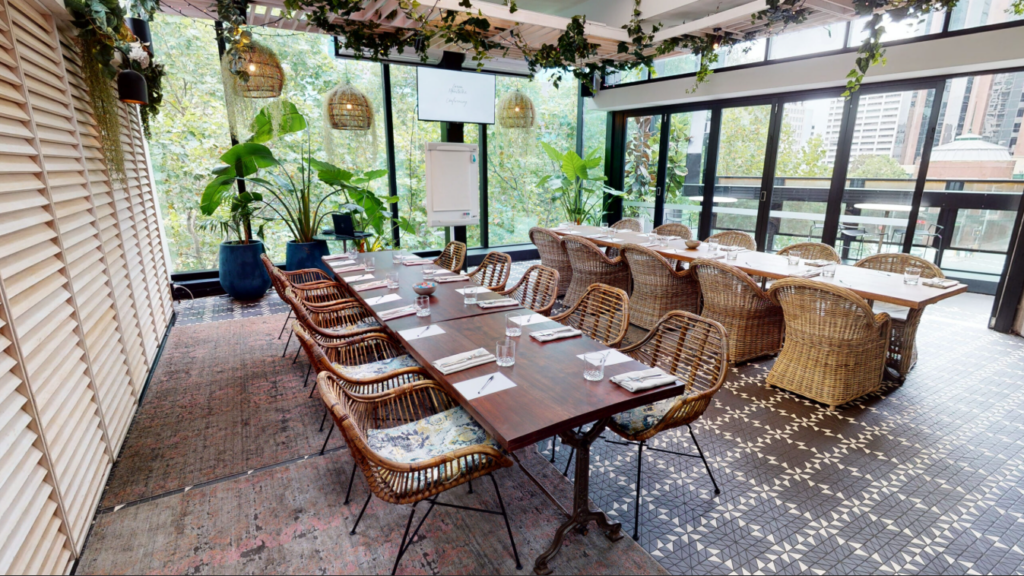
Studio spaces work for intimate gatherings, training sessions, and creative collaborations. Professional lighting and sound systems come standard. Kitchen facilities support catering needs.
Pop up retail events combine sales with experience. Pop up spaces in Sydney offer high foot traffic locations with built-in customer interest.
Corporate Events That Connect
Team building requires spaces that encourage interaction. Open layouts with moveable furniture support group activities. Outdoor areas extend networking opportunities beyond four walls.
Client entertainment needs sophistication without stuffiness. Art galleries, rooftop terraces, and design studios impress visitors while maintaining professional credibility.
Training seminars demand functionality over flash. Reliable wifi, comfortable seating, and breakout spaces keep participants engaged throughout full-day sessions.
Brand Activations That Engage
Product launches need Instagram-worthy backdrops. Architectural details, unique lighting, and interesting textures create shareable moments that extend your event's reach.
Experiential marketing requires flexible spaces that accommodate interactive installations. High ceilings, multiple power outlets, and adaptable layouts support creative executions.
Press events benefit from professional presentation capabilities. Built-in screens, quality audio systems, and media-friendly lighting help your message shine.
Key Considerations When Booking Shared Spaces for Events
Capacity determines guest comfort. Calculate 6-8 square metres per person for standing events, 10-12 for seated dinners. Buffer zones around bars and registration areas prevent bottlenecks.
Technical requirements vary by event type. Verify power availability for AV equipment, catering appliances, and lighting rigs. Check internet bandwidth if you're streaming or conducting virtual elements.
Access logistics affect setup and breakdown. Loading dock availability speeds equipment delivery. Freight elevator capacity determines what you can bring inside. Street parking impacts guest arrival.
Timing restrictions influence your schedule. Some shared spaces have noise curfews or access limitations. Factor these into your event timeline and backup plans.
Budget Planning Beyond the Hourly Rate
Additional costs add up quickly. Insurance requirements, security deposits, and cleaning fees affect total investment. Some venues charge for basic amenities like tables and chairs.
Staffing needs vary by venue type. Technical support might cost extra. Cleaning services could be mandatory. Factor these into your budget calculations early.
Catering restrictions impact food service options. Some spaces require approved vendors. Others prohibit alcohol or open flames. Understand limitations before finalizing menus.
Booking Process: Making It Simple
Start your search early. Popular shared spaces book weeks in advance, especially during peak seasons. Spring corporate events and December holiday parties see highest demand.
Site visits prevent surprises. Photos don't show acoustics, lighting quality, or spatial flow. Schedule tours during similar times to your planned event.
Contract details matter. Understand cancellation policies, damage liability, and change procedures. Read the fine print on equipment usage and vendor restrictions.
Communication keeps projects on track. Establish primary contact points with venue hosts. Share your event timeline, setup requirements, and any special needs upfront.
Tips for Event Success in Shared Spaces
Respect the space builds positive relationships. Follow house rules about decorations, noise levels, and equipment usage. Good relationships with hosts can lead to priority booking for future events.
Plan for versatility. Shared spaces often lack dedicated storage for event supplies. Bring backup extension cords, basic tools, and emergency contact numbers.
Document everything. Take photos before setup to show original conditions. This protects your security deposit and maintains good standing with the host.
Guest communication prevents confusion. Share specific entrance instructions, parking details, and contact numbers. Shared spaces might have different access procedures than traditional venues.
Making the Most of Unique Features
Architectural details become design elements. Exposed brick walls reduce decoration needs. Large windows eliminate lighting rental costs during daytime events.
Built-in amenities save money. Many shared spaces include basic AV equipment, furniture, and kitchen facilities. Inventory what's available before renting additional items.
Location advantages extend beyond the venue itself. Shared spaces in creative districts offer pre and post-event dining options. Transit accessibility helps with guest attendance.
Ready to Create Unforgettable Experiences?
Shared spaces offer possibilities that traditional venues can't match. Character, flexibility, and value combine to create events that guests remember.
Your next successful event starts with finding the right space. Whether you need an intimate studio for client workshops or a warehouse for large-scale activations, the perfect venue exists.
Browse event spaces for activations across Australia. Filter by capacity, location, and amenities to find options that match your vision and budget. Send enquiries directly through the platform and hosts will respond with customized offers.