Short-Term Hire: How Offline Experiences Fuel Online Content
3 mins
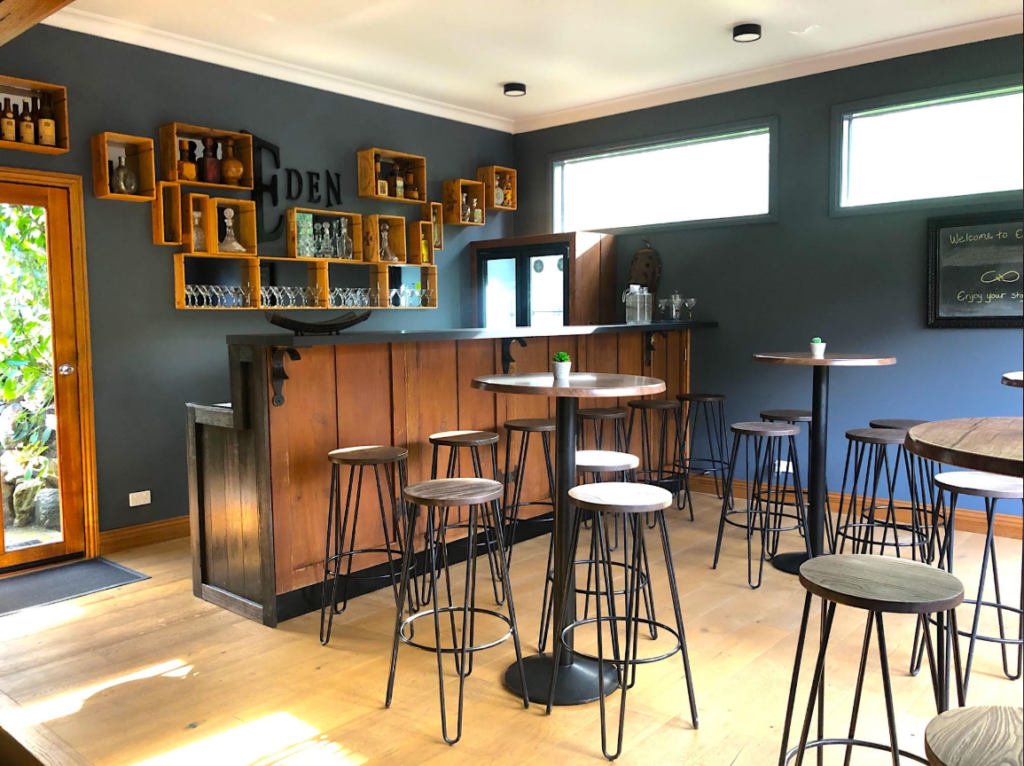
Pop-up retail and short-term hire create moments brands don’t always plan for.
The pop-up ends.
The retail space is packed down.
The activation is technically over.
And yet, online, something is just getting started.
For brands using pop-up retail and short-term hire, the physical experience is no longer the finish line. It’s the raw material. Increasingly, offline moments are what power the most credible, engaging, and reusable online content.
The Disconnect Between Online Content and Real Experience
A lot of digital content struggles for the same reason: it lacks context.
Studio shoots are polished. Campaign visuals are controlled. But audiences have become good at spotting when something feels staged. Without a real-world anchor, content can look impressive while saying very little.
Offline experiences solve this.
Pop-up retail introduces:
- Real people
- Real behaviour
- Real environments
And that reality is what gives digital content weight.
Why Offline Moments Translate Better Online
Offline activations create conditions that are difficult to fake.
They show:
- How customers actually interact with products
- What draws attention without prompting
- Where people pause, ask questions, or engage
When captured and repurposed, these moments give online audiences something they trust. Not because it’s perfect, but because it’s believable.
From Retail Space to Content Source
The most effective brands no longer treat pop-ups as standalone events. They design them knowing the content will travel further than the foot traffic.
Offline experiences commonly fuel:
- Short-form social video
- Website hero visuals
- Email storytelling
- Paid media creative
- Brand decks and partner pitches
In many cases, the digital reach of the content outweighs the physical reach of the pop-up itself.
Why Short-Term Hire Makes Content More Intentional
Short-term hire introduces urgency. There is a defined start, a defined end, and a limited window to observe and capture.
That constraint improves focus.
Instead of documenting everything, brands concentrate on:
- Key interactions
- Clear brand cues in the retail space
- Moments that reflect how the brand wants to be understood
The result is content that feels deliberate, not overproduced.
Offline Experience as Proof, Not Promotion
One of the biggest shifts in how brands use pop-up retail is intent.
Offline experiences are no longer just promotional. They act as proof points.
They demonstrate:
- Demand in real locations
- Engagement beyond clicks
- Brand relevance in physical environments
When this proof is carried online, it strengthens credibility across every channel.

The Long Tail of a Short-Term Activation
Pop-ups may only last days or weeks, but their impact often extends for months.
Brands reuse offline-led content to:
- Support product launches
- Validate expansion decisions
- Reinforce brand positioning
In this way, retail space becomes a strategic input into content planning, not a separate initiative.
Why This Matters for Modern Brands
As digital channels become more crowded, originality increasingly comes from what happens offline.
Pop-up retail and short-term hire give brands something algorithms can’t manufacture: context.
When online content is rooted in real-world experience, it doesn’t just perform better. It feels more trustworthy, more human, and more relevant.
At Spacenow, brands use pop-up retail and short-term hire not just to show up physically, but to create offline experiences that power online storytelling long after the space closes.
Offline doesn’t compete with online. It fuels it.