The Space Shake Up: What Every Business Must Plan for Next
5 mins
Retail property across Australia is shifting rapidly. Shopping centres and high street precincts are no longer passive sales environments. They are becoming flexible platforms where brands test ideas, build presence and connect with customers in person. As interest grows in retail hire, retail space hire and short term hire, both landlords and occupiers are rethinking what a retail space can achieve.
Below are the main forces shaping the next stage of retail and the practical considerations for any business exploring short term retail or temporary activations.
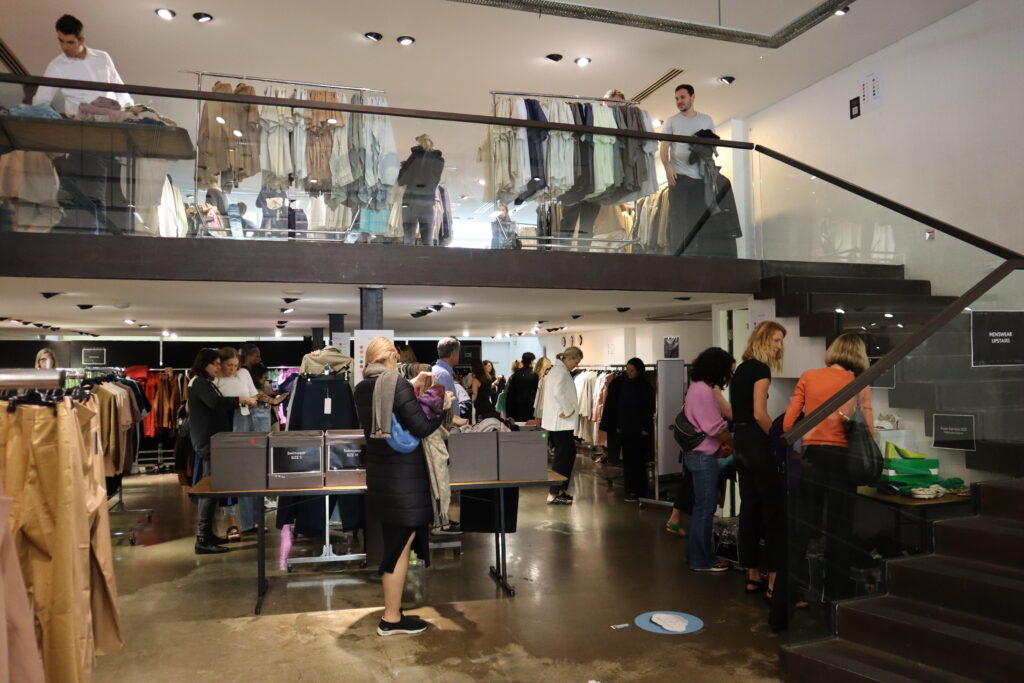
Shopping spaces are becoming experience first environments
Modern shoppers want more than shelves and stock. Centres are programming food events, creative workshops and pop up concepts that create reasons to visit beyond pure transaction. These experiences also support footfall in a way that online commerce cannot.
For brands, this shift makes short term hire a valuable tool. Temporary retail space can build brand awareness, generate local excitement and gather customer insight without long commitments.
Smaller formats and smarter use of space
Retailers are moving towards compact and more efficient formats. These spaces reduce operating cost, improve sales density and often perform better with curated product ranges. For landlords, flexible retail space hire creates new income streams and ensures the centre remains active with events and seasonal moments that attract consistent foot traffic.
Technology and sustainability now influence operational decisions
Two major priorities are reshaping the way retail properties operate.
Smart technology
Centres are adopting sensors and AI-supported systems that track visitor activity, energy use and performance. These insights help landlords determine which areas are suited for retail hire and identify zones ideal for short-term retail experiments.
Sustainability expectations
Shoppers are favouring venues and brands that are environmentally responsible. Centres that invest in energy-efficient lighting, recycling initiatives, and reduced waste become more appealing to both tenants and customers. Sustainability is now aligned with operational efficiency and long-term asset value.
Physical and digital working together
The strongest retailers now merge online and in-person channels. Collection points, local fulfilment and buy online collect in store have become standard expectations. Shopping centres that provide practical spaces for these services increase the value of their retail space and attract brands wanting a presence close to their online customers.
This blended approach also makes retail hire more attractive for digital-first brands, as temporary stores lift online sales in the surrounding area.
Where demand remains reliable
Grocery-anchored centres and necessity-led precincts continue to draw consistent daily traffic. Speciality grocers and premium outlets are also performing well and act as strong anchors for neighbouring retail hire opportunities. For brands exploring short-term hire, these locations offer strong visibility and predictable customer flow.
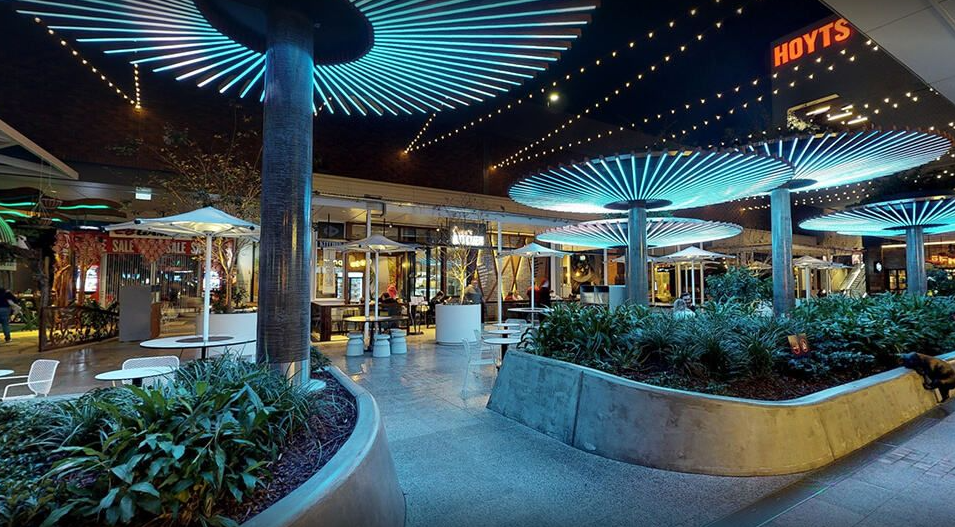
Adaptive reuse creates new opportunities
Rather than relying on large-scale new developments, the market is seeing more imaginative conversions of existing buildings. Former big box sites and underused spaces are being redesigned into mixed-use environments with retail, dining and leisure. These projects offer unique options for retail space hire, including permanent units and short-term retail for pop up campaigns.
What this means for investors and landlords
Properties that offer flexibility, strong infrastructure and access to everyday services will remain competitive. Landlords who provide retail hire options, modular spaces and shorter commitments are more likely to benefit from higher occupancy and more diverse rental income.
A modern tenant mix that combines essential services with experiential elements keeps a centre relevant and resilient.
Practical guidance for brands and owners
For brands exploring retail space hire or short-term hire
• Choose locations where your target customers are already active, such as near grocery anchors or major transport.
• Use short-term retail to test concepts quickly and gather data before scaling.
• Ensure the space offers the right technology and operational support for a smooth activation.
For landlords, improving the appeal of their centres
• Offer flexible terms suitable for short-term hire and longer stays.
• Strengthen digital infrastructure to support omnichannel retail.
• Curate a mix that balances daily needs with engaging experiences.
Frequently asked questions
Is physical retail losing relevance
No. Physical retail is evolving. Stores that offer convenience and meaningful experiences continue to play a vital role and often complement online sales.
Why choose short-term hire
Short-term hire reduces risk, speeds up testing and allows brands to launch campaigns or seasonal activations with lower cost and higher impact.
How should I assess a retail space
Look at foot traffic, surrounding anchors, access for deliveries and the digital readiness of the site.
Conclusion
Retail real estate is entering a more flexible, experience-driven driven and data-informed era. For brands, retail hire and short-term retail offer a powerful way to connect with customers and grow with confidence. For landlords, adaptable retail space hire models create commercially resilient and dynamic environments.
Spacenow helps brands and property owners find the right retail space at the right moment, supporting activations that are simple, effective and built for today’s retail landscape.