Why Face-to-Face Experiences in Short-Term Retail Build Trust Faster Than Digital Alone
3 mins

Brands continue to invest in physical experiences, even as digital channels become more sophisticated. In particular, short-term retail has become a strategic way for brands to build trust quickly in an increasingly digital-first market.
The reason is simple: trust builds faster in person.
No matter how refined online content becomes, customers assign more credibility to what they can see, touch, and experience themselves. Face-to-face interaction shortens decision-making in ways screens simply cannot.
In a crowded digital market, short-term retail gives brands a space where trust can form quickly and naturally.
First, Visibility Accelerates Trust
Online, brands control the framing, messaging, and timing.
However, in physical spaces, that control softens.
Customers can:
- Ask unscripted questions
- Observe how staff respond under pressure
- Experience the product without filters
As a result, transparency signals confidence. And when customers perceive that confidence as genuine, trust follows.
Short-term retail creates this dynamic immediately because interaction happens in real time.
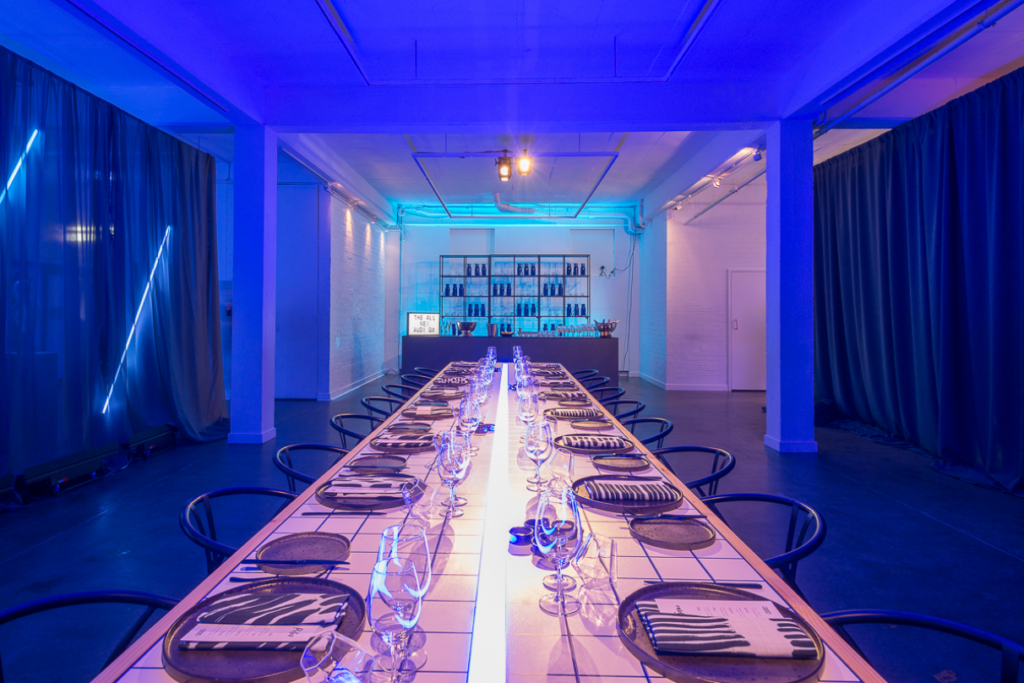
Second, Physical Presence Reduces Perceived Risk
Every purchase involves uncertainty. The real question is how much risk the customer feels.
Short-term retail reduces that uncertainty by answering key questions instantly:
- Does the product match its description?
- Is the brand legitimate?
- Will support exist after purchase?
When customers validate these assumptions face-to-face, hesitation decreases. Consequently, the decision process becomes faster and more assured.
Moreover, Human Interaction Changes Brand Perception
Digital performance relies on metrics.
Face-to-face experiences rely on behaviour.
Customers remember:
- How staff treated them
- Whether someone genuinely listened
- Whether the brand demonstrated expertise
These behavioural cues influence judgment more than marketing language. In fact, one strong in-person interaction can outweigh weeks of online hesitation.
Short-term retail compresses that trust-building process into a single visit.

In Addition, Short-Term Retail Feels Purposeful
Short-term retail does not pretend to be permanent. Instead, it operates with intention.
When customers understand that a brand has chosen to appear for a limited time, the experience feels deliberate rather than opportunistic. The brand shows up, engages directly, and leaves without exaggerating its presence.
Because of this, credibility often increases rather than declines.
Importantly, Trust Forms Through Observation
Online, brands tell customers what they stand for.
In short-term retail, customers observe what brands actually do.
They notice:
- How teams handle problems on the spot
- Whether staff act with authority or rely on scripts
- How the brand responds to feedback
These observations shape long-term perception. Therefore, trust grows through action, not claims.
Finally, Face-to-Face Experiences Strengthen Long-Term Loyalty
Trust does not disappear when the space closes.
Customers who engage through short-term retail often:
- Return to purchase online
- Interact more confidently with digital campaigns
- Recommend the brand to others
The physical experience becomes a reference point. From that point forward, digital touchpoints reinforce, rather than create, trust.
Why This Matters in a Crowded Market
Digital channels continue to grow noisier. Meanwhile, attention spans shrink.
For that reason, trust has become the true differentiator.
Brands that invest in face-to-face experiences through short-term retail do more than generate visibility. They create moments where customers assess credibility without filters.
That assessment turns interest into belief.
At Spacenow, brands use short-term retail spaces to meet customers directly, encourage meaningful interaction, and build trust that extends beyond the physical space.
Because trust rarely grows through telling. It grows through showing up.