Pop-Up Retail in Sydney | Guide to Short-Term Retail Success
6 mins
Why Sydney Leads Australia's Pop-Up Revolution
Sydney's retail landscape has shifted dramatically. Traditional long-term leases no longer make sense for every business. Pop-up retail offers brands a way to test markets, build community, and generate sales without the overhead of permanent space.
The numbers tell the story. Short-term retail activations in Sydney generate higher foot traffic per square metre compared to traditional stores. Customers actively seek out pop-up experiences for their novelty and limited-time appeal.
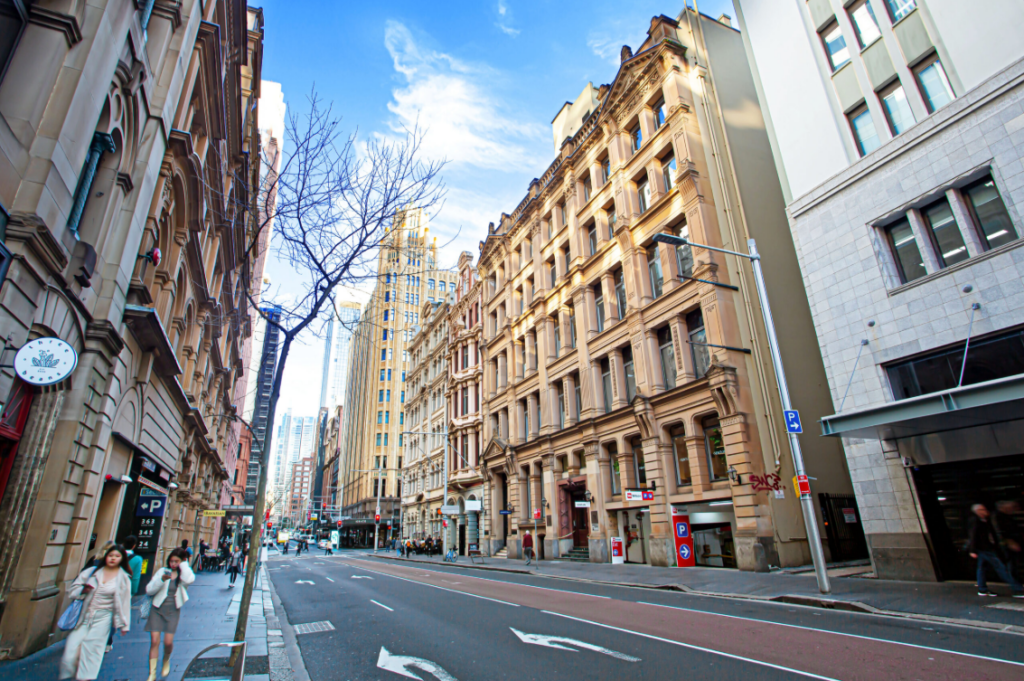
Location matters more than ever. Sydney's diverse neighbourhoods each offer distinct customer bases. A pop-up in Surry Hills targets creative professionals. Bondi draws health-conscious consumers. The CBD captures office workers and tourists.
Strategic Advantages of Pop-Up Retail
Pop-up shops solve specific business challenges. Testing new product lines becomes affordable when you're not locked into yearly rent commitments. Brands can gauge customer response in real-time without significant financial risk.
Inventory clearance becomes profitable rather than costly. Moving excess stock through a dedicated pop-up generates revenue while creating buzz around limited availability. Customers perceive urgency and exclusivity.
Brand awareness accelerates in concentrated bursts. A well-executed pop-up generates more social media coverage than months of traditional advertising. Local media often covers unique pop-up concepts, providing free publicity.
Cash flow improves through immediate sales cycles. Unlike e-commerce where payment processing takes days, pop-ups generate instant revenue. This helps smaller brands maintain healthy cash flow during growth phases.
Finding the Right Sydney Pop-Up Space
Location research should drive every decision. High-traffic areas command premium rates but deliver proportional returns. Secondary locations often provide better value while still attracting target customers.
Space functionality matters more than aesthetics. Good lighting, electrical capacity, and street visibility outweigh trendy interiors. Customers care about product display and easy navigation, not Instagram-worthy fixtures.
Duration planning affects both costs and outcomes. Weekend pop-ups suit impulse purchases and gift shopping. Week-long activations allow for word-of-mouth marketing to build momentum. Month-long installations provide time for repeat customers and local media coverage.
When searching for pop-up spaces in Sydney, consider foot traffic patterns, nearby businesses, and parking availability. These factors directly impact customer accessibility and sales potential.
Maximising Pop-Up Profitability
Profit margins in pop-up retail depend on smart planning and execution. Product selection should focus on high-margin items that create immediate purchase decisions. Limited edition products and exclusive bundles perform particularly well.
Operational efficiency becomes critical in short-term retail. Simple point-of-sale systems, clear pricing, and streamlined checkout processes reduce friction and increase conversion rates. Every minute counts when you have limited time to capture sales.
Staff training should emphasise storytelling and product knowledge. Pop-up customers often have questions about the brand, products, and availability. Well-informed staff members convert curious browsers into paying customers.
Inventory management requires precise calculation. Understocking leads to missed sales opportunities. Overstocking creates storage and transportation challenges. Historical data from similar events provides the best forecasting foundation.
For comprehensive guidance on profitability, review our detailed breakdown of strategies that make pop-up shops truly profitable.
Pop-Up Format Options for Different Goals
Single-brand showcases work best for product launches and brand awareness campaigns. These focused experiences allow complete control over customer journey and brand messaging.
Multi-vendor collaborations reduce individual costs while expanding customer reach. Complementary brands can share space, staff, and marketing costs while cross-promoting to each other's customer bases.
Experience-based pop-ups generate higher engagement than traditional retail formats. Interactive demonstrations, workshops, and personalisation services create memorable experiences that drive social sharing and repeat visits.
Sample sale formats excel for inventory clearance and customer acquisition. Past-season items and overstock can be moved quickly while introducing new customers to full-price products.
Understanding different types of pop-up retail store formats helps match business objectives with the most effective approach.
Legal Requirements and Setup Essentials
Business registration requirements vary based on pop-up duration and revenue projections. Temporary trading permits may be required for certain locations and timeframes. Local councils often have specific requirements for short-term retail operations.
Insurance coverage protects against property damage, theft, and public liability claims. Standard business insurance may not cover temporary retail operations. Specialised pop-up insurance products address these unique risks.
Health and safety compliance applies to all retail operations regardless of duration. Fire safety, electrical safety, and accessibility requirements must be met before opening to customers.
Tax obligations continue during pop-up operations. Sales records, expense documentation, and GST compliance remain necessary for proper business accounting.
Before launching your pop-up, ensure you understand the legal steps every pop-up must complete before opening day.
Building Long-Term Value Through Short-Term Retail
Customer data collection during pop-ups provides valuable insights for future business decisions. Email capture, social media follows, and purchase behaviour data inform product development and marketing strategies.
Brand loyalty often increases through exclusive pop-up experiences. Customers appreciate early access to new products and special pricing. These positive associations continue beyond the pop-up timeframe.
Market testing through pop-ups reduces risk for permanent retail expansion. Customer response, optimal product mix, and operational challenges become clear through short-term testing before committing to long-term leases.
Media coverage and social media buzz from successful pop-ups provide marketing value that extends far beyond the event duration. Well-documented pop-ups create content for future marketing campaigns.
Planning Your Sydney Pop-Up Success
Success in pop-up retail requires thorough planning and realistic expectations. Clear objectives, defined target customers, and measurable outcomes provide the foundation for profitable pop-ups.
Timeline management affects every aspect of pop-up execution. Venue booking, permit applications, inventory ordering, and staff scheduling all require coordination within compressed timeframes.
Budget planning should include both obvious costs like rent and utilities, plus hidden expenses such as setup materials, payment processing fees, and transportation. Contingency funds help handle unexpected challenges.
Marketing strategy should begin before space confirmation. Building anticipation through social media, email newsletters, and local partnerships ensures strong opening day attendance.
Ready to test your retail concept in Sydney's dynamic market? Browse available Sydney pop-up venues and start planning your short-term retail success today.