Short-Term Retail Pricing Strategy: Test What Customers Will Pay
4 mins
Short-Term Retail Pricing Strategy Is One of the Most Effective Ways to Price Products
Short-term retail pricing strategy is one of the most effective ways for brands to understand what customers will actually pay.
For many brands, pricing is a constant balancing act.
Set it too high, and demand slows.
Set it too low, and margin is lost.
Traditionally, pricing decisions were based on:
- Competitor benchmarks
- Cost structures
- Online conversion data
But these methods rely on indirect signals.
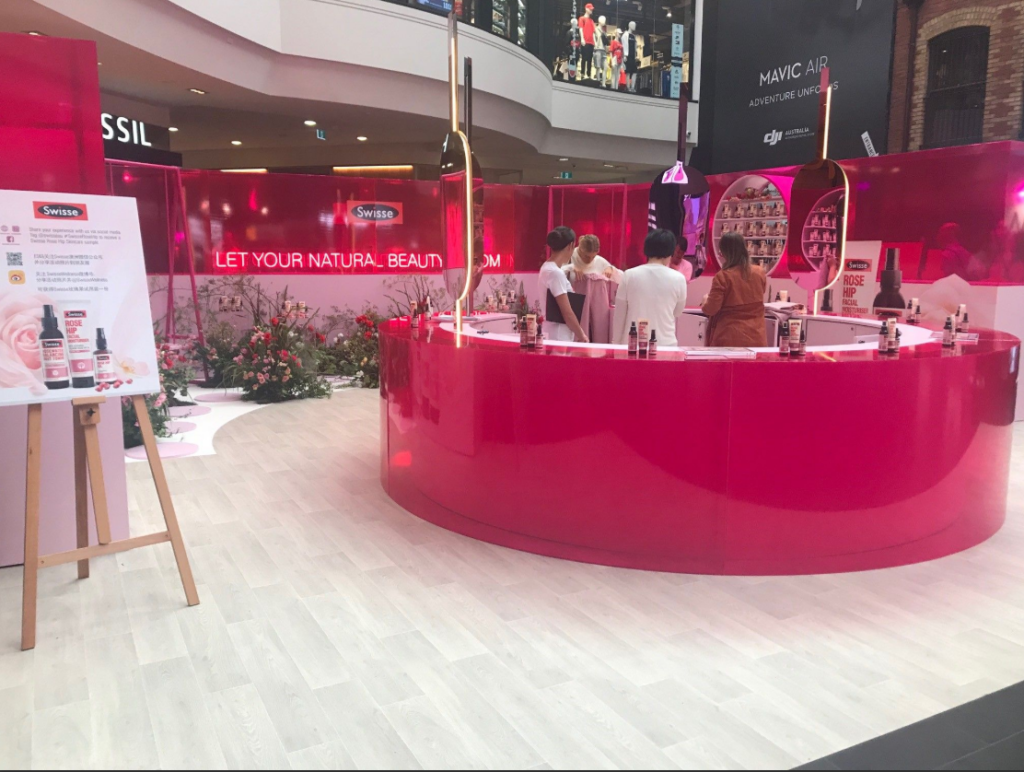
Today, brands are shifting towards testing pricing in real-world environments using short-term retail spaces.
Why Pricing Is Difficult to Optimise Online Alone
E-commerce provides useful data, but it has limitations.
Online, you can track:
- Click-through rates
- Conversion rates
- Cart abandonment
But you cannot fully capture:
- Emotional response to pricing
- Perceived value in a physical setting
- Customer hesitation or curiosity
In-store behaviour fills this gap.
When customers interact with a product physically, their willingness to pay often changes.
This creates a more accurate environment for testing pricing decisions.
How Short-Term Retail Pricing Strategy Works in Pop ups
Short-term retail spaces provide a low-risk environment for experimentation.
Instead of committing to fixed pricing, brands can:
- Test multiple price points in real time
- Observe customer reactions directly
- Adjust based on performance
This transforms pricing into a continuous learning process.
This is where a strong short-term retail pricing strategy becomes a competitive advantage.
4 Pricing Experiments Brands Can Run in Pop ups
1. A/B Testing Price Points
Rather than guessing the “right” price, brands can test variations across:
- Different days
- Different locations
- Different customer segments
Example:
A product priced at $45 one weekend and $55 the next can be compared based on:
- Sales volume
- Conversion rate
- Customer feedback
The goal is to identify the balance between volume and margin.
2. Bundling and Perceived Value Testing
In physical retail, value is easier to communicate.
Brands can test:
- Product bundles vs single-item pricing
- Limited-time offers
- “Buy more, save more” structures
Customers can see and assess value more clearly, making them more responsive to pricing strategies.
3. Premium vs Entry-Level Positioning
Short-term retail allows brands to test pricing tiers.
This includes:
- Introducing premium product versions
- Placing higher-priced items next to core products
- Testing tiered pricing structures
These strategies help determine:
- Whether customers are willing to trade up
- Whether premium options increase average order value
4. Real-Time Feedback and Conversations
Physical retail enables direct interaction with customers.
Brands can:
- Ask about pricing perceptions
- Understand objections immediately
- Identify what influences willingness to pay
These insights reveal:
- Why customers hesitate
- What messaging needs improvement
- What increases perceived value
Location Still Matters - But Through a Pricing Lens
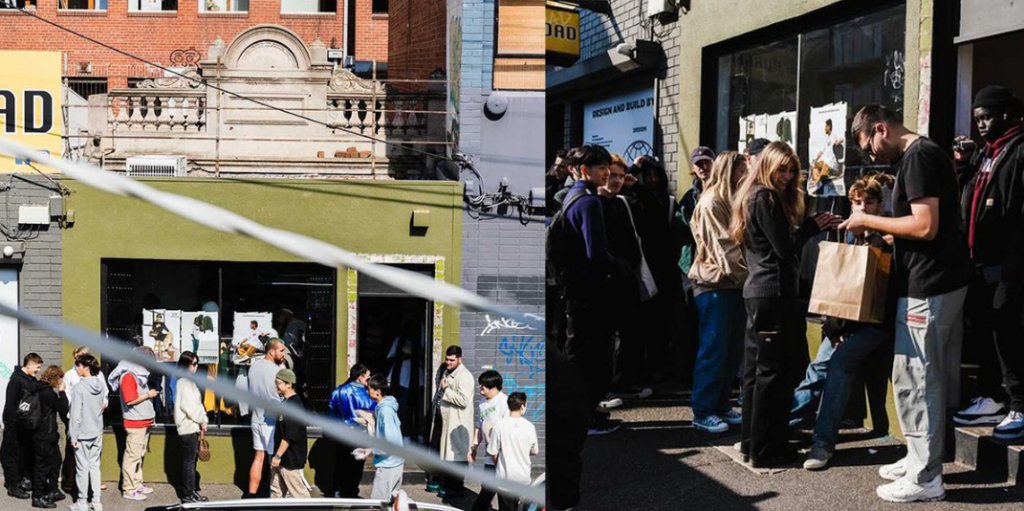
Pricing is influenced by context.
Different locations attract different customer profiles, which impacts pricing performance:
- High-income urban areas may support premium pricing
- Tourist-heavy locations may favour impulse purchases
- Community markets may respond better to value-based pricing
Short-term retail allows brands to test pricing across multiple environments and identify what works best.
How Spacenow Supports Pricing Strategy
Spacenow enables brands to:
- Launch short-term activations in different locations
- Compare performance across environments
- Adjust pricing without long-term commitment
This allows pricing to evolve based on real-world insights rather than assumptions.
Measuring What Matters
When testing pricing, success should not be measured by revenue alone.
Brands should track:
- Conversion rate by price point
- Average order value
- Customer feedback and sentiment
- Product interaction versus purchase behaviour
The goal is to understand what customers are willing to pay based on real behaviour.
Turning Pricing Into a Competitive Advantage
The most effective brands are not necessarily the cheapest.
They are the ones that:
- Understand their customers
- Continuously test and refine
- Align pricing with perceived value
Research from Harvard Business Review supports real-world pricing experimentation as a more effective approach.
Final Thought
Pricing should not be static.
With flexible retail, brands can test, learn, and adapt in real time.
This leads to more informed decisions, reduced risk, and stronger alignment between price and customer perception.
Ultimately, it provides something more valuable than short-term sales:
confidence in what a product is truly worth in the eyes of real customers.