Australian Warehouse Rental Trends | Market Insights
7 mins
Why Australian Warehouse Rental Trends Are Evolving
Australian warehouse rental trends are evolving rapidly as e-commerce growth, flexible leasing, and changing supply chain demands reshape industrial property markets.
The numbers tell the story. Online retail grew by 15% in 2025, driving demand for flexible warehouse space near major population centres. Businesses need storage solutions that adapt quickly to market changes. Fixed, multi-year warehouse leases no longer match the pace of modern commerce.
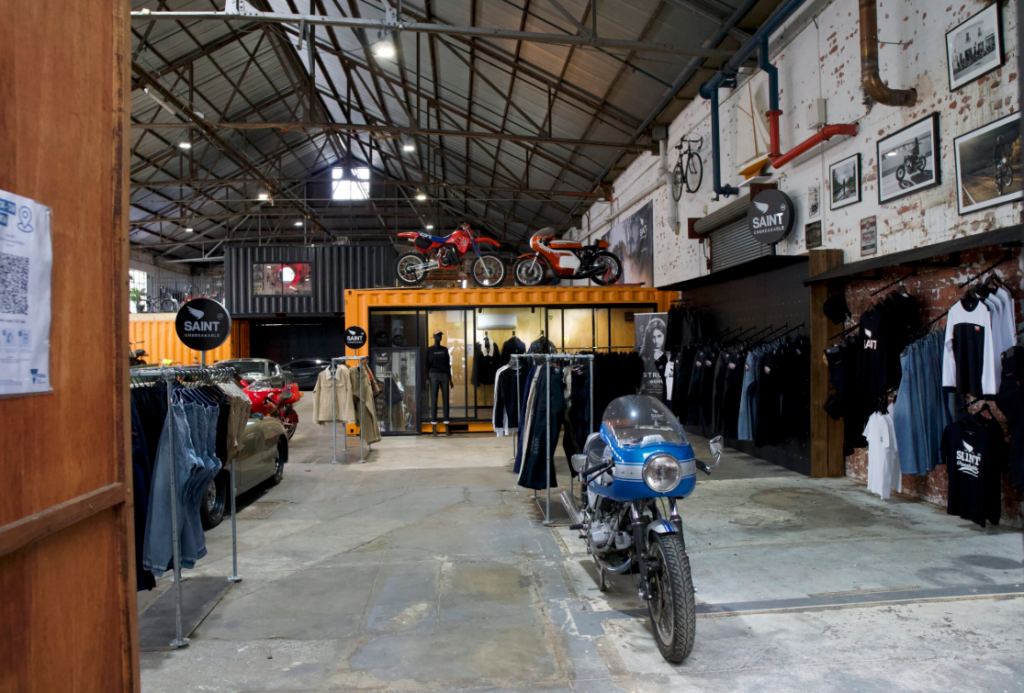
Australian Warehouse Rental Trends Shaping the Market
Several forces are reshaping warehouse rentals across Australian cities. Location matters more than ever before. Proximity to transport hubs, major highways, and urban centres determines rental prices and availability.
Melbourne and Sydney lead demand for premium warehouse locations. Brisbane follows closely, with Perth and Adelaide showing strong growth in specialised warehouse segments. Regional centres are emerging as cost-effective alternatives for businesses that don't require immediate city access.
Rental rates reflect this geographic shift. Inner-city warehouse space commands premium prices, while suburban and regional locations offer better value for long-term storage needs.
The Rise of E-commerce and Last-Mile Logistics
E-commerce logistics Australia requirements have fundamentally changed warehouse specifications. Traditional large-format warehouses are splitting into smaller, strategically located facilities. Same-day and next-day delivery expectations drive this trend.
Dark stores and micro-fulfilment centres represent the new warehouse format. These spaces prioritise speed over storage capacity. Automated picking systems and rapid dispatch areas replace traditional bulk storage layouts.
Third-party logistics providers are expanding rapidly. They offer shared warehouse services that reduce costs for smaller e-commerce businesses. This model eliminates the need for individual companies to secure long-term warehouse leases.
One of the biggest Australian warehouse rental trends is the growing demand for flexible fulfilment spaces near urban centres.
Demand for Flexible and Short-Term Warehouse Leases
Temporary storage solutions now account for a significant portion of warehouse bookings. Seasonal businesses, product launches, and promotional campaigns drive short-term demand. Fashion brands, in particular, rely on flexible warehouse arrangements for sample sales and Pop up distribution.
Monthly warehouse rentals have become standard practice. Businesses can scale storage space up or down based on inventory levels and seasonal demand. This flexibility prevents costly empty warehouse space during slow periods.
The benefits of short-term commercial space extend beyond offices to warehouse operations. Companies reduce fixed costs while maintaining operational flexibility.
Technology Integration: Smart Warehouses and Automation
Warehouse technology adoption accelerated through 2025 and into 2026. Inventory management systems, automated picking equipment, and real-time tracking have become baseline expectations. Tenants increasingly demand warehouses equipped with modern technology infrastructure.
Internet connectivity requirements have expanded beyond basic broadband. Warehouses need robust wireless networks, multiple internet providers, and backup connectivity options. IoT devices for inventory tracking and climate control require reliable network infrastructure.
Automation-ready warehouses command higher rental rates. These facilities include appropriate floor loading capacity, ceiling heights, and power supply configurations for robotic equipment installation.
Sustainability and Green Warehousing Practices
Environmental considerations influence warehouse selection decisions. Solar panel installations, energy-efficient lighting, and sustainable building materials affect rental desirability. Companies factor environmental impact into their supply chain strategies.
Green building certifications add rental value to warehouse properties. NABERS ratings and Green Star certifications help tenants meet corporate sustainability targets. Some companies now refuse to lease warehouses without environmental credentials.
Electric vehicle charging infrastructure is becoming essential for distribution centres. Warehouses without EV charging capabilities face reduced demand from forward-thinking logistics companies.
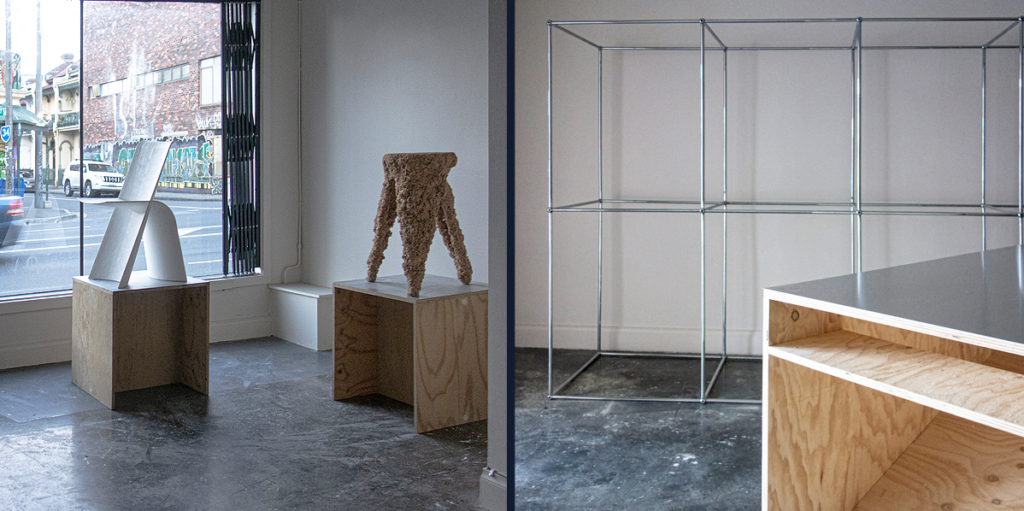
Beyond Storage: Creative Uses for Modern Warehouse Spaces
Warehouses serve purposes beyond traditional storage and distribution. Event organisers, retailers, and creative industries have transformed warehouse spaces into unique venues. High ceilings, open floor plans, and loading dock access create versatile event environments.
Sample sales and fashion events particularly benefit from warehouse venues. The industrial aesthetic appeals to modern consumers, while practical features support large-scale retail operations. Warehouse spaces for sales offer cost-effective alternatives to traditional retail venues.
Art galleries, fitness centres, and entertainment venues increasingly occupy warehouse spaces. These creative applications often generate higher rental income than traditional storage uses.
Ace Your Next Event or Sale in a Warehouse
Warehouse venues offer unique advantages for special events and promotional sales. Loading docks simplify equipment setup and inventory delivery. Large, column-free spaces accommodate hundreds of attendees without sight-line restrictions.
The industrial character creates memorable experiences that stand out from hotel conference rooms and traditional event centres. Exposed beams, concrete floors, and high ceilings provide distinctive backdrops for product launches and brand activations.
Successful warehouse sale venues combine practical features with atmospheric appeal. Consider access routes, parking capacity, and nearby public transport when selecting warehouse event spaces.
How SpaceNow Helps You Navigate Warehouse Rental Trends
Finding the right warehouse space requires understanding current market conditions and availability patterns. SpaceNow connects businesses with warehouse owners offering flexible rental arrangements across Australia.
The platform features warehouses of all sizes, from small storage units to large distribution centres. Detailed listings include floor plans, access specifications, and available equipment. This information helps businesses quickly identify suitable warehouse options.
Short-term and flexible lease options dominate SpaceNow warehouse listings. Property owners recognise the value of accommodating businesses that need adaptable space arrangements. This trend benefits both landlords seeking reliable income streams and tenants requiring operational flexibility.
Whether you need temporary storage during office relocation, seasonal inventory space, or a venue for your next brand activation event, SpaceNow offers verified warehouse options with transparent pricing and availability.
Capitalising on Warehouse Market Opportunities
Warehouse owners are finding new ways to maximise the value of their spaces through diversified rental strategies. Flexible booking arrangements attract different tenant types and increase overall occupancy rates.
Mixed-use warehouse facilities accommodate various business needs within single properties. This approach reduces vacancy risks while serving diverse market segments. Storage, light manufacturing, and event hosting can coexist in properly designed warehouse environments.
The most successful warehouse operators adapt quickly to changing market demands. They invest in technology upgrades, flexible lease structures, and diverse tenant attraction strategies.
Looking Ahead: The Future of Australian Warehouse Rentals
Warehouse rental trends continue evolving as business needs change. The shift toward smaller, more flexible spaces will likely accelerate through 2026. Businesses prioritise agility over scale in uncertain economic conditions.
Regional warehouse markets will expand as companies seek cost-effective alternatives to major city locations. Improved transport infrastructure and remote work trends support this geographic distribution of warehouse demand.
Technology integration will become even more critical for warehouse competitiveness. Facilities that adapt to emerging logistics technologies will command premium rental rates and attract quality tenants.
Ready to find warehouse space that matches current market trends? Browse flexible warehouse rentals across Australia on SpaceNow and connect with property owners offering the adaptable solutions your business needs.