Flexible Retail Space Model: Retail-as-a-Service
4 mins
Flexible Retail Space Model Is Reshaping Modern Retail
The flexible retail space model is redefining how brands approach physical retail.
Retail is no longer defined by long leases, fixed locations, and rigid store formats.
Instead, it is shifting towards a more dynamic approach often described as Retail-as-a-Service.
This shift is driven by the need for agility, customer-centric experiences, and the ability to adapt quickly to changing consumer behaviour.
For modern brands, this is not a trend, it is a structural shift.
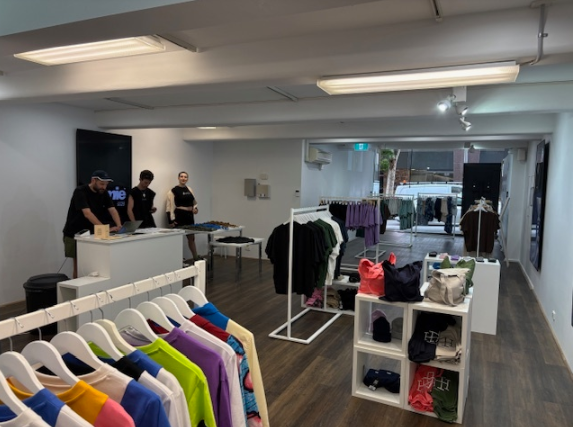
From Fixed Retail to Flexible Retail
Traditional retail operated on a predictable model:
- Long-term leases
- High upfront costs
- Limited ability to pivot
This worked in slower markets.
But today’s environment is different:
- Consumer preferences change rapidly
- Trends move faster than production cycles
- Digital and physical channels are interconnected
The result:
Brands need retail strategies that are as flexible as their customers.
What Is the Flexible Retail Space Model?
At its core, the flexible retail space model allows brands to:
- Access physical retail spaces on a short-term basis
- Launch activations without long-term commitments
- Scale up or down depending on performance
It transforms retail from a fixed asset into a service-based solution.
Instead of asking:
“Where should we open a store for the next 5 years?”
Brands now ask:
“Where should we activate next, and why?”
Why the Flexible Retail Space Model Is Gaining Momentum
1. Lower Risk, Higher Agility
Long-term leases create financial pressure and limit flexibility.
A flexible model allows brands to:
- Test new markets before committing
- Adjust strategy based on real-time results
- Minimise upfront investment
This is especially valuable for:
- Digital-first brands
- Emerging labels
- Campaign-driven businesses
2. Faster Speed to Market
In traditional retail, launching a store can take months.
With a flexible retail space model, brands can:
- Secure spaces quickly
- Launch within days or weeks
- Align activations with campaigns or product drops
Speed is no longer optional, it is expected.
3. Experience-Led Retail
Modern consumers are not just shopping, they are exploring.
Brands are increasingly focused on:
- In-store experiences
- Brand storytelling
- Personalised interactions
Flexible retail enables brands to:
- Create immersive environments
- Test new concepts
- Keep experiences fresh and relevant
4. Data-Driven Decision Making
Retail-as-a-Service supports continuous learning.
Brands can:
- Test multiple locations
- Compare performance across demographics
- Refine store design and layout
- Optimise product and pricing strategies
Each activation becomes a data point, not a one-off event.
The Role of Platforms Like Spacenow
Platforms like Spacenow enable this shift by simplifying access to retail space.
Brands can:
- Discover curated locations
- Book short-term activations
- Access high-traffic environments
This removes traditional barriers and allows brands to focus on delivering meaningful customer experiences.
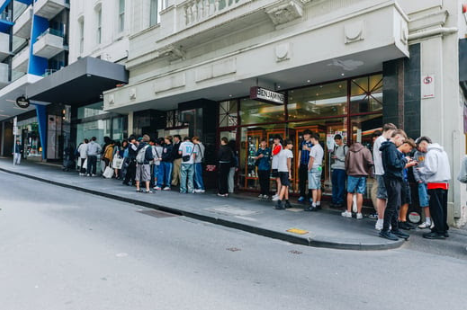
Who Benefits from the Flexible Retail Space Model?
- Digital-first brands looking to enter physical retail
- Growing businesses testing new markets
- Established brands running campaigns and launches
- Creative entrepreneurs exploring retail opportunities
From Store Ownership to Space Access
One of the biggest mindset shifts in modern retail is this:
Success is no longer about owning space.
It is about accessing the right space at the right time.
This aligns retail with other flexible industries such as:
- Co-working
- On-demand logistics
- Subscription-based services
Retail is evolving in the same direction.
How to Build a Strategy Using the Flexible Retail Space Model
To maximise results, brands should:
1. Think in campaigns, not permanence
Plan activations around launches, seasons, and key moments.
2. Prioritise learning over perfection
Treat each Pop up as a test.
3. Integrate digital and physical channels
Ensure a seamless customer experience.
4. Scale what works
Expand successful locations and formats.
The Bigger Picture: Retail Is Becoming Modular
Retail is moving away from a one-size-fits-all model.
It is becoming:
- Modular
- Adaptable
- Experience-driven
Brands can build networks of temporary spaces instead of relying on a single store.
This creates:
- Greater reach
- Stronger engagement
- More resilient business models
Final Thought
The flexible retail space model reflects a broader shift in how brands operate.
Agility is no longer optional, it is essential.
Retail-as-a-Service allows brands to:
- Move faster
- Reduce risk
- Stay aligned with customer behaviour
With platforms like Spacenow making access easier than ever, the barrier to entry has significantly lowered.
Because in today’s retail environment, success is not about staying in one place.
It is about knowing where to go next and having the flexibility to get there.