What Makes a Retail Space “High Performing” in Melbourne?
5 mins
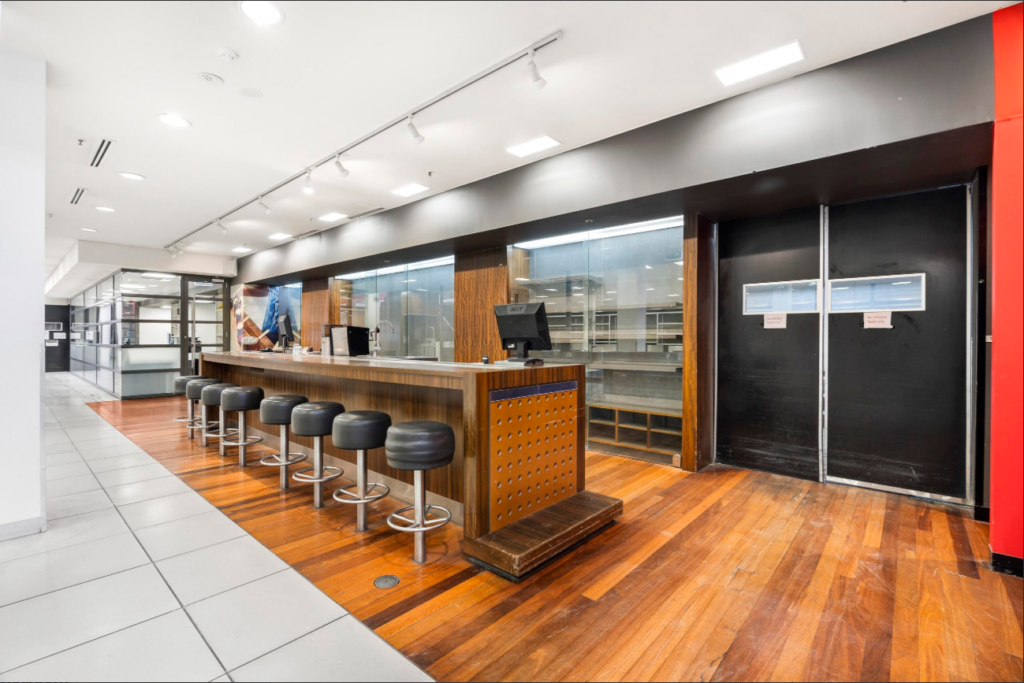
Not all retail spaces deliver the same results.
In a competitive city like Melbourne, location alone doesn’t determine performance. A high performing retail space in Melbourne is defined by measurable outcomes: how many people walk past, how many walk in, how long they stay, and how many convert.
For brands using short-term retail or pop-up formats, these performance indicators matter even more. You’re working within a defined window. Every day counts.
Here’s what separates average spaces from high-performing ones.
1. Conversion Rate: Foot Traffic Isn’t Enough
High foot traffic feels impressive, but volume without conversion is noise.
According to retail measurement leaders such as Nielsen, performance is best assessed through conversion rate: the percentage of visitors who enter the store and make a purchase.
A high performing retail space in Melbourne typically benefits from:
- Aligned audience demographics
- Clear storefront visibility
- Strategic positioning near complementary brands
- Logical internal flow
It’s not just about being busy. It’s about attracting the right customers.
Melbourne’s CBD might generate large volumes, but neighbourhood strips like Fitzroy, South Yarra, and Brunswick often deliver stronger conversion due to audience alignment and intent-driven visits.
2. Dwell Time: Engagement Drives Revenue
Research from ShopperTrak (Sensormatic Solutions) consistently shows a direct relationship between dwell time and spend.
The longer customers remain in-store, the higher the likelihood of purchase.
What increases dwell time?
- Thoughtful layout psychology
- Open sightlines
- Clear zoning
- Inviting window displays
- Comfortable circulation space
In high performing retail space Melbourne environments, customers don’t feel rushed. They feel guided.
This is especially relevant for short-term hire retail. The space must communicate your brand immediately while still encouraging exploration.
3. Visibility Metrics: Can People See You Before They See You?
Visibility is often underestimated.
Retail performance is strongly influenced by:
- Corner positioning
- Proximity to pedestrian crossings
- Window width and transparency
- Signage clarity
- Distance from main foot traffic paths
Spaces with double-frontage or corner exposure consistently outperform single-line units.
In Melbourne’s retail market, high visibility streets such as Chapel Street, Collins Street, and Swanston Street command stronger engagement because customers encounter brands before they actively seek them.
High performing retail space Melbourne assets are visible before they’re entered.
4. Layout Psychology: How Flow Influences Sales
Retail is behavioural.
Customers naturally move in patterns: rightward bias upon entry, perimeter browsing before centre exploration, and preference for open sightlines.
High performing retail space Melbourne environments are designed to support these behaviours through:
- Clear entrance thresholds
- Logical product grouping
- Anchor displays drawing customers deeper
- Minimal physical barriers
- Flexible display capability
For pop-ups and short-term activations, modular layouts are critical. The space must adapt to product types while maintaining intuitive flow.
The psychology of movement influences basket size more than most brands realize.
5. Proximity to Anchor Tenants
Anchor tenants drive predictable traffic.
Shopping centres, mixed-use precincts, and retail strips with major brands create gravitational pull. Smaller brands benefit from this spillover effect.
High performing retail space Melbourne locations often sit near:
- Supermarkets
- Department stores
- Major fashion brands
- Entertainment venues
- Transit hubs
Proximity does not mean adjacency to competitors. It means strategic placement near complementary drivers of footfall.
When evaluating space, ask:
- What businesses generate daily repeat traffic?
- Where do customers naturally pause?
- What direction does pedestrian flow move?
These questions influence performance more than aesthetics alone.
6. Data Over Assumptions
Retail is no longer guesswork.
Modern performance evaluation uses:
- Foot traffic analytics
- Heat mapping
- Conversion tracking
- Time-of-day performance breakdowns
- Demographic overlays
Melbourne’s retail market has matured significantly. Brands testing new markets increasingly rely on short-term hire retail to validate demand before committing to long leases.
High performing retail space Melbourne decisions should be supported by measurable insights, not just intuition.
Why This Matters for Short-Term Retail
Short-term hire gives brands speed and flexibility. But performance depends on selecting the right space.
At Spacenow, we view retail space as an operational tool, not just square metres. A high performing retail space Melbourne location should:
- Align with your target audience
- Support strong visibility
- Enable effective layout design
- Leverage surrounding foot traffic
- Provide measurable performance potential
Performance is engineered. It’s not accidental.
Final Thought
A beautiful space is not necessarily a profitable one.
A high performing retail space in Melbourne is defined by outcomes: conversion, engagement, visibility, and strategic positioning.
Whether you’re launching a pop-up, testing a product, or activating a brand experience, the right retail space amplifies your effort.
Because in retail, space doesn’t just house your brand.
It influences how your brand performs.