How Brands Actually Use Pop Up Retail Space (And What They Learn From It)
3 mins
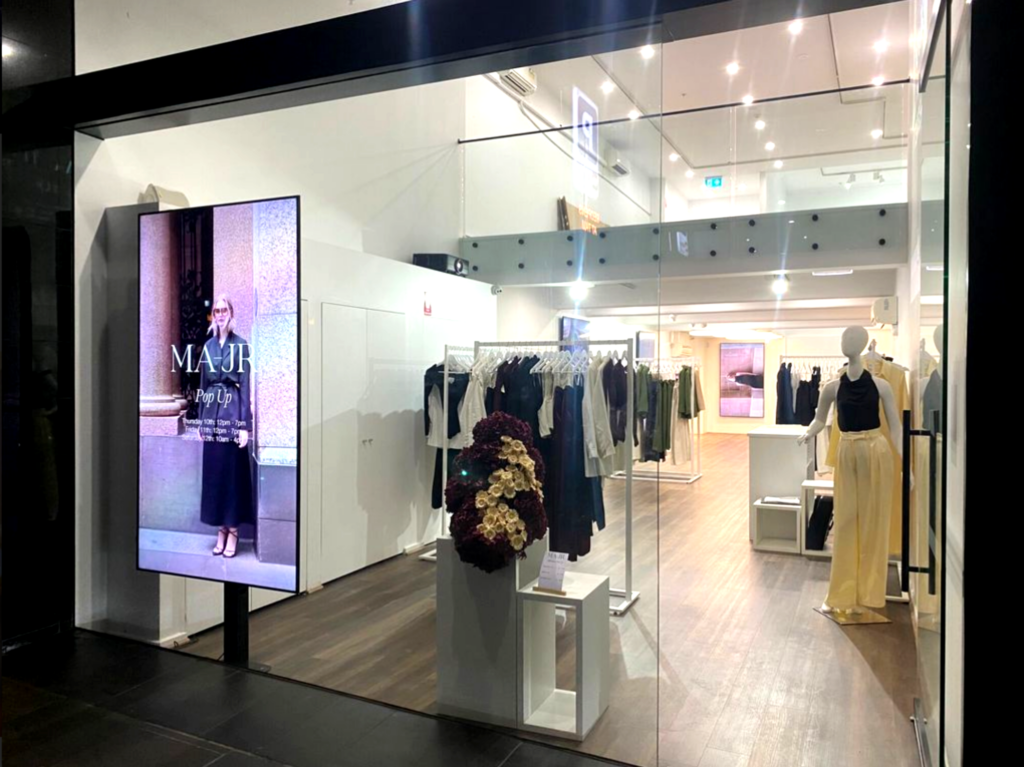
Pop up retail space is no longer just a trend. It has become a practical decision-making tool for brands testing physical retail without long-term commitment.
At Spacenow, most brands aren’t asking whether pop ups are “worth it”. They’re asking things like:
- Will this location convert?
- Does this product work in person?
- Can we justify permanent retail later?
- How much operational effort does physical retail really take?
Pop up retail space exists to answer those questions quickly, with minimal lock-in.
Pop Ups as a Retail Decision Tool, Not a Marketing Gimmick
The most effective pop ups are not designed to impress.
They are designed to test, measure, and validate.
Brands use temporary retail space to pressure-test assumptions before committing to:
- Long-term leases
- Larger teams
- Higher inventory volumes
- Permanent fit-outs
In this context, the pop up is not the end goal. It’s the evidence-gathering phase.
What Brands Are Really Testing With Pop Up Retail Space
Location Reality
Foot traffic on paper does not always equal sales in reality.
Pop ups allow brands to see:
- Who actually stops
- Who enters
- Who converts
- How long do people stay
This data is far more reliable than projections.
Product Behaviour, Not Product Theory
Online performance doesn’t always translate in-store.
In a pop up, brands quickly learn:
- Which products draw attention first
- What needs explanation
- What customers hesitate over
- What sells without assistance
These insights often lead to changes in pricing, bundling, or merchandising.
Operational Readiness
Physical retail introduces friction that doesn’t exist online.
Pop ups expose:
- Staffing needs
- Peak-time pressure points
- Checkout flow issues
- Stock management gaps
For many brands, this alone determines whether permanent retail is viable.
Why Temporary Retail Space Makes These Tests Possible
Pop up retail space works because it removes long-term consequences from short-term decisions.
Compared to permanent retail, it offers:
- Short, defined commitments
- Flexible layouts
- Lower setup expectations
- Faster entry and exit
That flexibility is what makes experimentation commercially safe.

When a Pop Up Signals “Scale” and When It Signals “Stop”
One of the most valuable outcomes of a pop up is clarity.
After a short-term activation, brands usually land in one of two places:
- This works. We should scale it.
- This doesn’t work. We saved ourselves from a costly mistake.
Both outcomes are wins.
Pop ups prevent brands from expanding on assumptions instead of evidence.
What Happens After the Space Closes
The smartest brands don’t treat pop ups as one-off activations.
They use the results to:
- Refine their retail strategy
- Adjust online messaging
- Improve product-market fit
- Decide if long-term retail is justified
In many cases, the pop up becomes the foundation for a much stronger next move.
Why This Approach to Retail Is Becoming Standard
Retail today rewards speed, flexibility, and responsiveness.
Pop up retail space allows brands to:
- Move quickly
- Learn cheaply
- Adapt confidently
That’s why it’s no longer reserved for experimental brands or short-term campaigns. It’s becoming part of how modern retail decisions are made.
At Spacenow, we work with brands using pop up retail space not just to show up, but to make smarter decisions about where and how they grow.
Temporary space. Permanent insight.