From Online to Offline: Why Melbourne Retail Space Is a Smart Move for E-Commerce Brands
4 mins
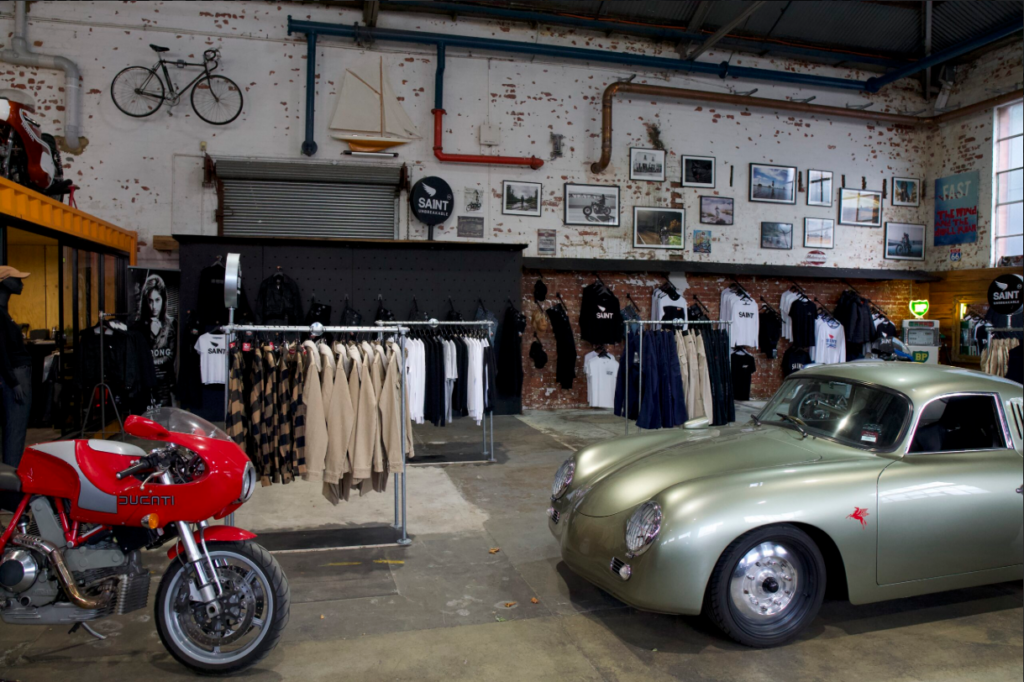
For years, eCommerce brands scaled on performance ads, optimised funnels, and frictionless checkouts.
But the economics are shifting.
Customer acquisition costs are rising. Paid media is more competitive. Returns are cutting into margins. And trust is harder to earn in a feed-driven environment.
This is why more digital-first brands are investing in Melbourne retail space for ecommerce - not as a replacement for online, but as a strategic extension of it.
Offline is no longer separate from online. It strengthens it.
The Rising Cost of Digital-Only Growth
The Australia Post eCommerce Industry Report continues to highlight strong online shopping behaviour across Australia. Consumers are confident buying online. Volume remains significant.
But growth isn’t as simple as launching ads and waiting for conversions.
- Paid media costs have increased across major platforms
- Customer acquisition costs (CAC) are climbing
- Consumers research longer before purchasing
- Loyalty is harder to secure
Digital performance is measurable. But it’s also increasingly expensive.
A physical presence in the right location changes the equation.
In-Store Acquisition vs Digital CAC
Online acquisition is auction-based. You compete for attention.
In-store acquisition is intent-based. Customers are already in a retail mindset.
When eCommerce brands activate in Melbourne retail space for ecommerce, particularly in high-foot-traffic precincts, acquisition shifts from interruption to engagement.
Benefits include:
- No bidding wars for impressions
- Organic discovery from walk-by traffic
- Immediate brand immersion
- Real-time conversations
The cost per acquired customer often balances out when considering lifetime value.
A customer who physically experiences your brand converts differently online afterwards. They are warmer, more confident, and more likely to return.
Reducing Returns Through Physical Interaction
Returns are one of the most significant margin pressures for eCommerce brands.
According to retail outlook insights from Deloitte Australia, returns continue to challenge retailers across fashion, lifestyle, and consumer goods sectors.
Why do returns happen?
- Incorrect sizing
- Misaligned expectations
- Product feel and quality uncertainty
- Colour discrepancies
- Impulse purchases
Physical retail reduces these risks.
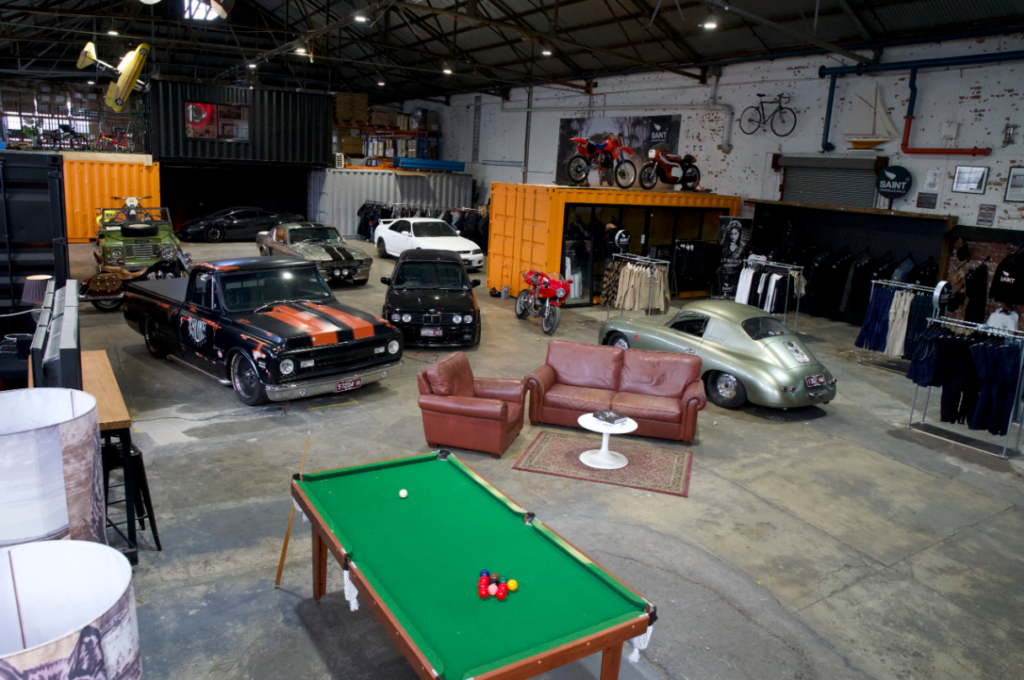
A short-term retail activation allows customers to:
- Touch materials
- Try products
- Compare options
- Ask questions
- Understand fit and scale
When customers purchase online after interacting offline, return rates often decrease because the uncertainty has already been removed.
Melbourne retail space for ecommerce brands becomes a quality control filter.
Trust Is Built Face-to-Face
Digital presence builds visibility.
Physical presence builds credibility.
Trust compounds when customers see:
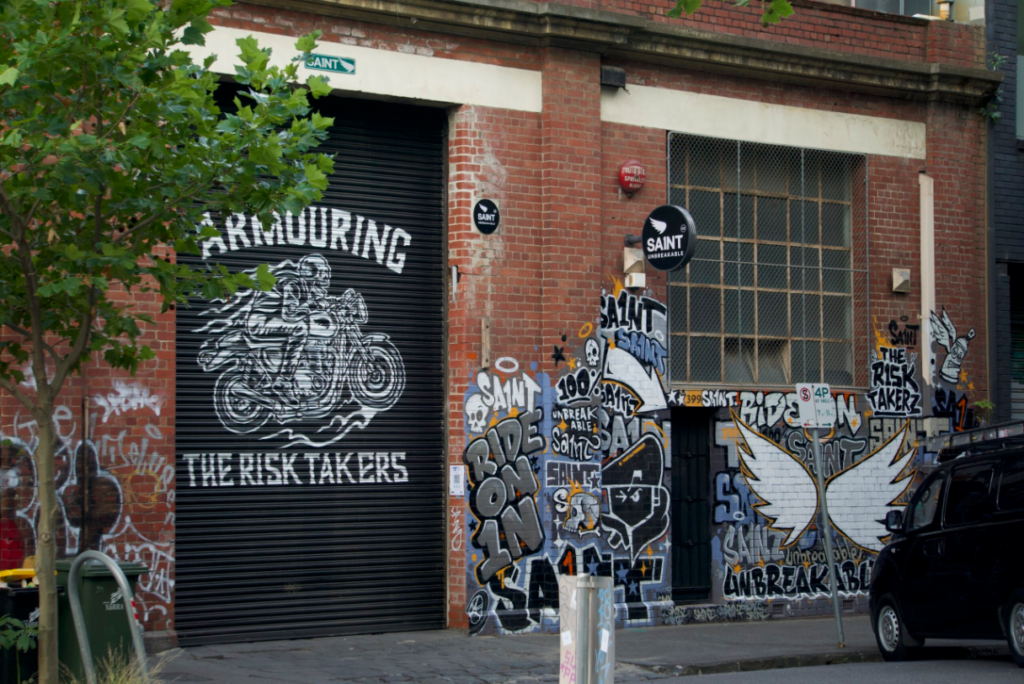
- A physical address
- Staff representation
- Tangible product displays
- Real-world interaction
In Melbourne’s competitive retail market, physical touchpoints reinforce brand legitimacy.
Customers who have visited a pop-up or showroom are more likely to:
- Follow on social media
- Subscribe to email lists
- Recommend to friends
- Purchase again online
The brand becomes real, not just visual.
For ecommerce brands scaling in Australia, this trust advantage matters.
Melbourne as an Omnichannel Testing Ground
Melbourne is uniquely positioned for omnichannel growth.
The city offers:
- Strong CBD foot traffic
- High-performing neighbourhood strips
- Established fashion and design culture
- Sophisticated consumer base
- Tourism-driven exposure
For ecommerce brands expanding into physical retail, Melbourne retail space for ecommerce provides a controlled environment to test:
- Product-market fit
- Pricing strategy
- Customer feedback
- In-store merchandising
- Event-based activation
Short-term hire retail allows brands to validate demand without committing to long-term leases.
Test → Measure → Refine → Scale.
That is omnichannel in practice.
Physical Touchpoints Strengthen Digital Channels
A physical retail activation should not operate in isolation.
High-performing ecommerce brands use Melbourne retail space to:
- Capture email sign-ups
- Drive QR code traffic to online store
- Encourage social sharing
- Promote online-exclusive collections
- Launch limited in-store releases
Offline becomes a content engine.
Content fuels online engagement.
Online drives repeat purchasing.
This loop strengthens overall brand equity.
The Strategic Move Isn’t Offline. It’s Integrated.
The question is no longer “online or offline?”
It’s how intelligently the two connect.
Melbourne retail space for ecommerce brands offers:
- Customer acquisition diversification
- Reduced return risk
- Enhanced brand trust
- Real-time customer insight
- Omnichannel performance optimisation
At Spacenow, we see retail space as a strategic growth tool - not just a location.
Short-term hire retail gives ecommerce brands flexibility.
Melbourne gives them scale.
The combination gives them leverage.
Because in today’s market, growth doesn’t belong to online brands or physical brands.
It belongs to brands that use both, intentionally.