Warehouse vs. Retail: Choosing the Best Space for Your Sale
6 mins
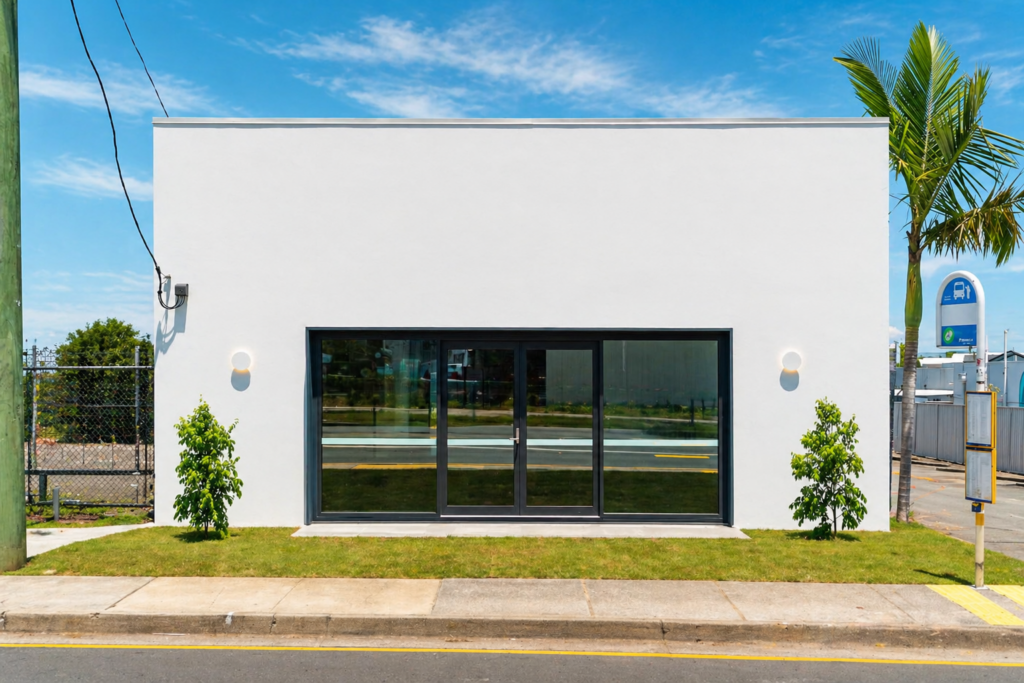
Choosing the right venue for your sale can make or break your event. The decision between a warehouse space and a traditional retail location affects everything from your budget to customer experience. Both options offer distinct advantages, but the best choice depends on your specific goals, target audience, and operational needs.
Understanding Your Sale's Purpose and Audience
Before comparing venue types, define what you want to achieve. Sample sales targeting fashion insiders need different spaces than clearance events for general consumers. Warehouse venues work well for volume-focused sales where customers expect lower prices and industrial aesthetics. Retail spaces suit brand-conscious events where atmosphere matters as much as products.
Consider your audience's shopping behaviour. Bargain hunters comfortable with warehouse environments differ from customers expecting polished retail experiences. Your venue choice should align with these expectations.
The Warehouse Advantage: Scale, Cost, and Vibe
Warehouse spaces for sales offer unmatched scale and cost efficiency. Large floor areas accommodate extensive inventory without feeling cramped. High ceilings create an open atmosphere that works for everything from furniture clearances to fashion sample sales.
Cost per square metre typically runs lower than retail spaces. This budget advantage lets you allocate more resources to inventory, staffing, or marketing. The industrial aesthetic appeals to customers seeking authentic, behind-the-scenes shopping experiences.
Warehouses handle heavy foot traffic and bulk purchases easily. Loading docks simplify delivery and pickup logistics. Concrete floors withstand wear from crowds and trolleys. Many warehouse venues include basic amenities like restrooms and parking.
When Warehouses Work Best
Warehouse venues excel for:
- High-volume clearance sales
- Furniture and homewares sales requiring large display areas
- Fashion sample sales targeting industry professionals
- Multi-brand collaborations needing flexible layouts
- Events where price trumps polish
The Retail Space Edge: Location, Brand, and Experience
Retail spaces offer premium locations, established foot traffic, and professional presentation standards. Shopping centre locations provide built-in audiences and convenient access. Street-front spaces in busy areas generate natural discovery.
Pop up spaces in retail locations maintain brand image while testing new markets. Customers expect higher service levels and curated experiences in these environments. Professional lighting, climate control, and fitted displays enhance product presentation.
Retail spaces work particularly well for brands maintaining premium positioning during sales events. The environment reinforces quality perception even with discounted pricing.
When Retail Spaces Shine
Choose retail venues for:
- Brand launches requiring premium presentation
- Fashion sales targeting mainstream consumers
- Product demonstrations needing controlled environments
- Events where customer experience drives repeat business
- Sales in high-traffic shopping areas
Budget and Cost Implications: Beyond Just Rent
Rental rates represent just one cost factor. Warehouse spaces typically charge lower base rates but may require additional setup investment. Consider lighting rental, temporary fixtures, and decoration costs to create appealing environments.
Retail spaces often include professional lighting, climate control, and security systems. These built-in features reduce setup costs but come with higher rental rates. Factor in utilities, cleaning deposits, and insurance requirements for both venue types.
Calculate total costs including staffing, security, and payment processing. Warehouse events might need additional staff for crowd management. Retail spaces may require fewer personnel but demand higher service standards.
Location, Accessibility, and Foot Traffic
Location determines who discovers your sale and how easily they can attend. Warehouse districts often lack public transport links, requiring customers to drive. This suits sales targeting local audiences with vehicles but limits accessibility for others.
Retail locations in shopping centres or main streets offer public transport access and natural foot traffic. Customers shopping for other items discover your sale organically. Parking availability varies but public transport provides alternatives.
Consider your target demographic's preferences. Young, urban customers might prefer accessible retail locations. Suburban families might drive to warehouse locations for better deals and parking.
Brand Image, Customer Experience, and Atmosphere
Your venue choice communicates brand values before customers see products. Warehouse spaces signal value, authenticity, and insider access. The industrial aesthetic appeals to customers comfortable with less polished environments in exchange for better prices.
Retail spaces reinforce brand professionalism and quality standards. Even during sales events, the environment maintains customer expectations for service and presentation. This consistency supports long-term brand relationships beyond single transactions.
Think about the customer journey from arrival to purchase. Warehouse venues encourage browsing and discovery. Retail spaces support focused shopping with clear navigation and professional assistance.
Logistics, Operations, and Staffing Needs
Operational requirements vary significantly between venue types. Warehouses typically offer loading dock access, making inventory delivery and setup straightforward. Large, open spaces accommodate flexible layouts but require more planning for customer flow and payment processing.
Retail spaces often have established checkout areas and customer flow patterns but limited back-of-house storage. Delivery access might be restricted to specific hours or loading zones. Consider how these constraints affect your setup and operations.
Staffing needs differ too. Warehouse events might need crowd control and security personnel. Retail spaces require staff trained in customer service standards appropriate to the environment. Factor these requirements into your planning and budget.
Marketing, Promotion, and Event Buzz
Your venue choice affects marketing strategies and customer expectations. Warehouse sales generate excitement through exclusivity and insider access. Social media content can emphasise the behind-the-scenes experience and unique atmosphere.
Retail location sales benefit from established foot traffic and can rely more on location visibility. However, they compete with surrounding retail activity for attention. Your marketing approach should account for these environmental factors.
Consider how the venue supports your promotional goals. Some strategies that make Pop up shops truly profitable work better in retail environments, while others suit warehouse settings.
Making Your Final Decision: A Strategic Checklist
Use this framework to evaluate your options:
Choose warehouses if:
- Cost efficiency is the primary concern
- You need large display areas for inventory
- Target audience values deals over experience
- Logistics requirements include heavy or bulky items
- Brand positioning supports industrial aesthetics
Choose retail spaces if:
- Brand image requires professional presentation
- Target demographic expects polished experiences
- Location and foot traffic are critical
- You need established infrastructure and amenities
- Customer service standards must remain high
Find Your Perfect Sale Venue
The warehouse versus retail decision ultimately depends on your specific goals, audience, and brand positioning. Successful sales events have used both venue types effectively by aligning space choice with strategic objectives.
For comprehensive guidance on planning profitable sales events, check out our detailed warehouse sale venue guide for specific venue recommendations and tips.
Ready to plan your next successful sale? Explore a wide range of warehouse and retail spaces across Australia on Spacenow today.