From Online Store to Pop-Up Retail: A Founder’s Transition Guide
5 mins
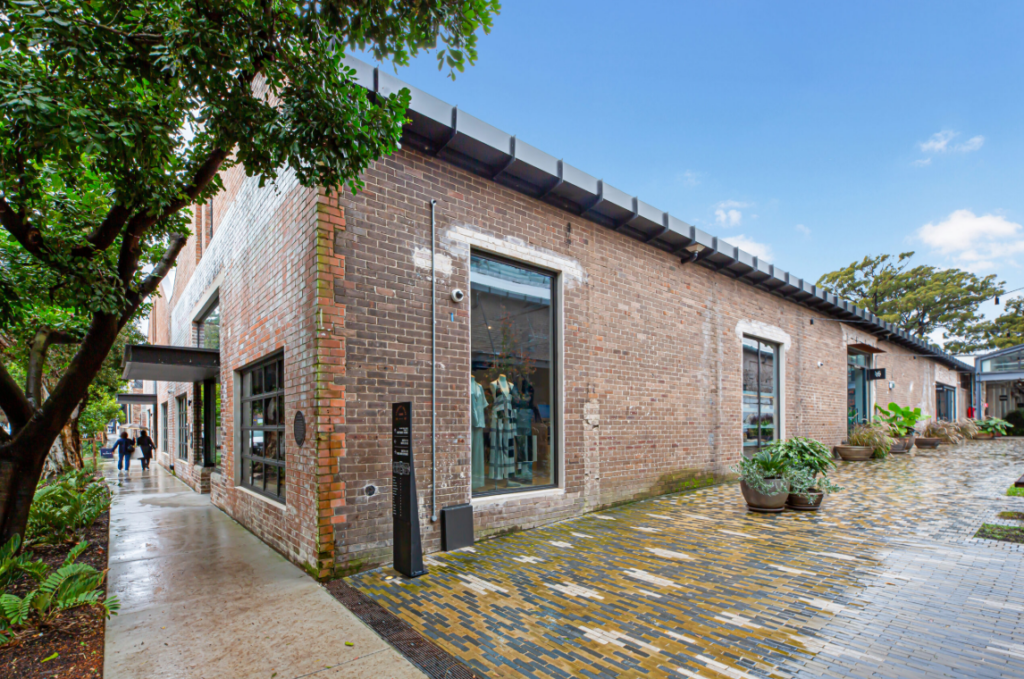
Why Digital Brands Are Moving Into Physical Retail
Many brands today begin as digital-first businesses. Platforms like Shopify have made it possible for founders to launch products, build audiences, and generate sales without the traditional costs of brick-and-mortar stores.
But as brands grow, a common shift happens: founders start exploring physical retail experiences.
According to Shopify’s omnichannel retail insights, modern consumers interact with brands across multiple channels before purchasing. They may discover a product on social media, browse online reviews, and then visit a physical store to experience the product firsthand.
This evolving behaviour has made pop-up retail and retail space hire an increasingly attractive strategy for online brands looking to expand their reach.
For founders, the move from online store to physical retail is not about abandoning e-commerce. Instead, it is about creating a connected omnichannel experience.
Why Pop-Up Retail Works for Online Brands
Temporary retail activations have become a popular entry point into physical retail.
Research from McKinsey & Company highlights that the future of retail lies in blending digital capabilities with experiential physical environments. Customers increasingly expect brands to offer engaging, memorable experiences that go beyond simple transactions.
Pop-ups provide exactly that.
For online brands, pop-up retail allows founders to:
- Test physical retail without committing to long leases
- Engage directly with customers
- Generate brand awareness in high-traffic locations
- Gather real-world feedback on products
Through retail space hire, founders can explore physical retail while maintaining the agility that digital brands rely on.
Step 1: Define Your Retail Objective
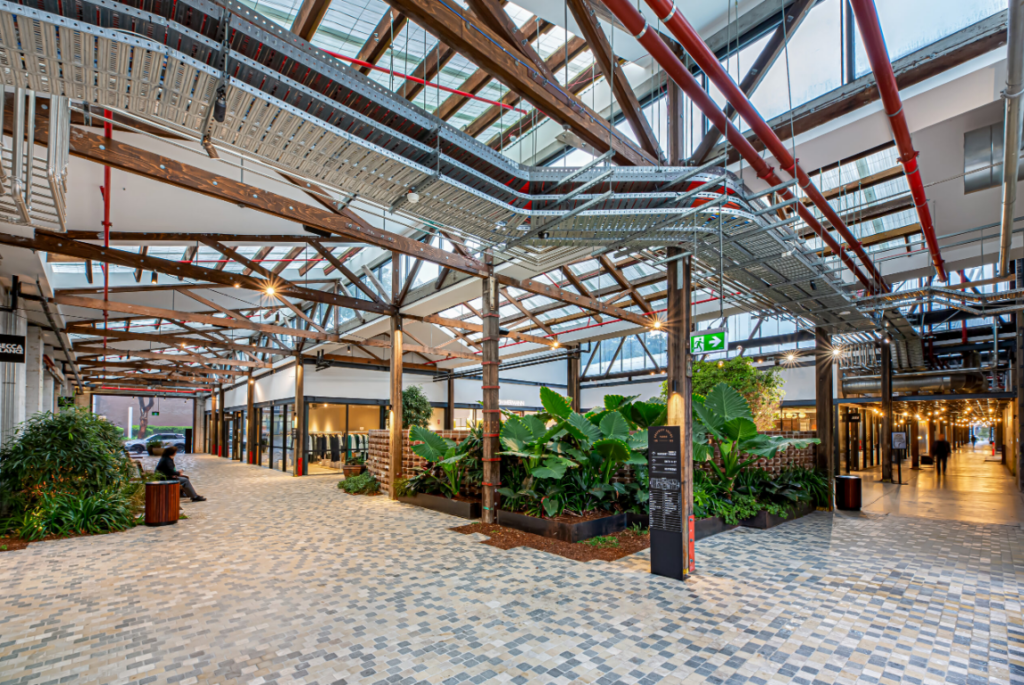
Before launching a pop-up, founders should clearly define why they want a physical space.
Common objectives include:
Brand awareness
Creating visibility and buzz for a growing online brand.
Product testing
Understanding how customers interact with new products in person.
Community engagement
Building relationships with customers and local audiences.
Sales generation
Driving revenue during limited-time activations.
Clarity on your objective helps guide decisions around location, design, staffing, and duration.
Step 2: Choose the Right Location
Location is one of the most important factors in the success of a pop-up retail activation.
High-foot-traffic retail districts, shopping centres, and lifestyle precincts can significantly increase exposure and customer engagement.
When evaluating retail space hire options, founders should consider:
- Target audience demographics
- Nearby complementary retailers
- Visibility and accessibility
- Local events or seasonal foot traffic
The goal is to position your brand where your ideal customers naturally spend time.
Step 3: Design an Experience, Not Just a Store
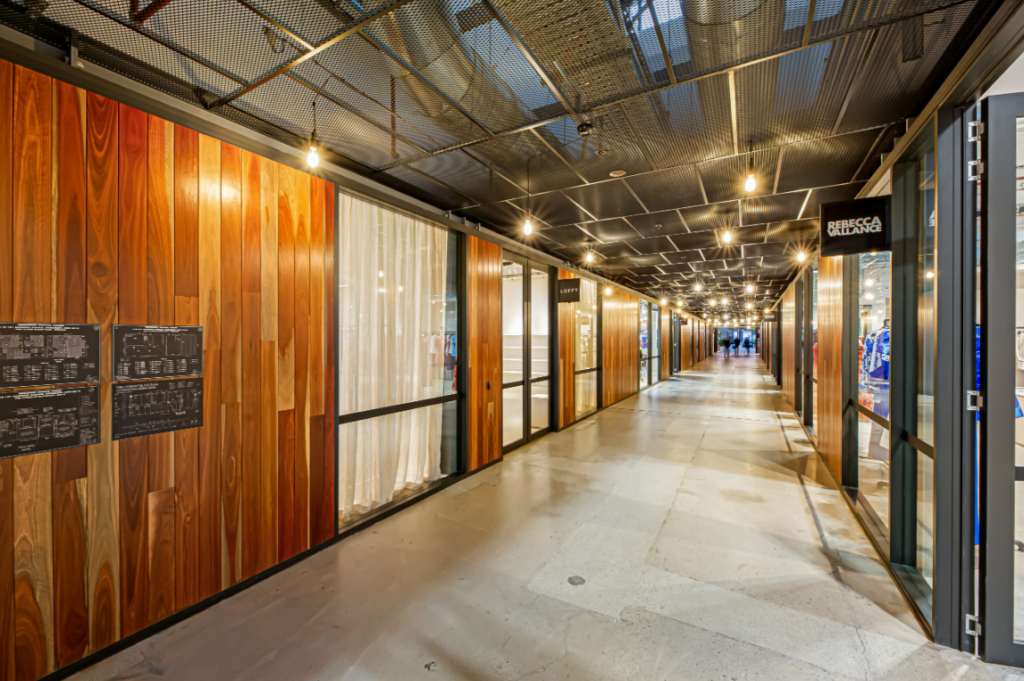
Unlike traditional retail, pop-ups thrive on experience and storytelling.
Customers visiting a temporary store often expect something unique or memorable.
Successful pop-ups often include:
- Interactive product demonstrations
- Instagram-friendly visual displays
- Limited-edition products or exclusive drops
- Founder meet-and-greets or brand storytelling
McKinsey’s retail transformation research notes that experiential retail is becoming a key differentiator as brands compete for customer attention.
For founders, the physical space should feel like an extension of the brand story, not simply a sales environment.
Step 4: Integrate Your Online and Offline Channels
A successful pop-up should not operate separately from your online store.
Instead, the physical activation should support your broader digital ecosystem.
Ways to connect online and offline experiences include:
- QR codes linking to your online store
- Social media check-ins or content creation areas
- In-store email sign-ups or loyalty programmes
- Click-and-collect services
Shopify’s omnichannel research shows that brands integrating multiple channels often see higher customer retention and stronger brand loyalty.
The goal is to ensure that every in-store interaction continues the customer journey online.
Step 5: Collect Real-World Customer Insights
One of the biggest advantages of pop-up retail is direct customer feedback.
Unlike online stores, where insights rely heavily on analytics, physical retail allows founders to observe:
- Which products customers pick up first
- How they interact with displays
- What questions they ask about products
- Which items generate the most excitement
These insights can influence:
- Product development
- Pricing strategies
- Marketing messaging
- Inventory planning
In many cases, a short-term pop-up provides insights that months of online data cannot fully reveal.
Step 6: Measure Success Beyond Sales
While revenue is important, founders should evaluate pop-ups through a broader lens.
Metrics to track may include:
- Foot traffic and engagement
- Social media mentions or content creation
- New customer acquisition
- Email list growth
- Online sales increases after the activation
Retail activations often generate long-term brand impact, even after the pop-up ends.
How Retail Space Hire Simplifies the Process
Historically, opening a physical store required significant financial commitments and long lease agreements.
Retail space hire has changed that.
Flexible retail platforms now allow brands to discover and book short-term retail spaces in key urban locations, making it easier for founders to test new markets and activate physical experiences.
Instead of navigating complex leasing processes, brands can focus on creating meaningful customer interactions and memorable retail experiences.
This flexibility is especially valuable for digital-first brands that prioritise agility and experimentation.
Final Thoughts
For many founders, the journey from online store to pop-up retail represents a major milestone.
It is an opportunity to move beyond screens and connect with customers in real life.
Through flexible options like retail space hire, digital brands can explore physical retail without the risks traditionally associated with brick-and-mortar stores.
As retail continues to evolve, the most successful brands will be those that combine digital innovation with physical experiences — building communities, creating memorable moments, and bringing their brand stories to life in the real world.