Retail Space Hire as a Growth Strategy for Digital-First Brands
5 mins
The Rise of Digital-First Brands and the Need for Physical Presence
The rise of digital-first brands has transformed modern commerce. While many businesses begin online, many eventually explore retail space hire as a way to establish a physical presence, connect with customers, and build stronger brand trust.
But as digital brands mature, a pattern has emerged: successful online brands eventually look for a physical presence.
Why?
Because while digital commerce offers scale and efficiency, physical retail offers connection, discovery, and trust.
According to Shopify’s retail insights, many digitally native brands are now expanding into temporary retail formats, Pop ups, and short-term retail activations as a way to grow beyond purely online channels.
This is where retail space hire becomes a powerful growth strategy.
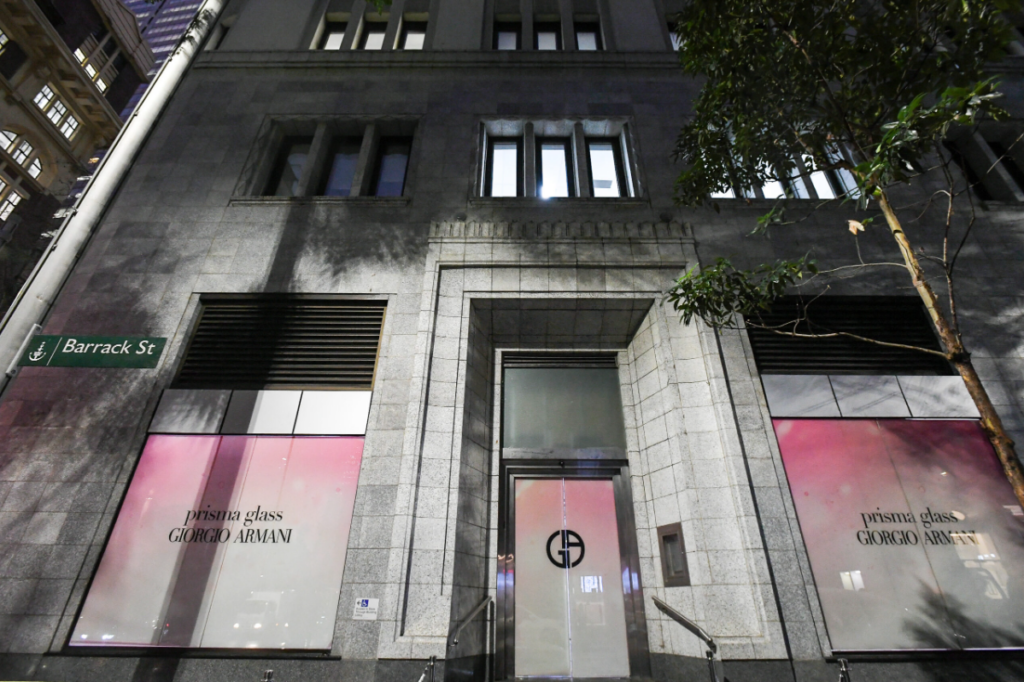
Why Retail Space Hire Helps Online-Only Brands Move Offline
Even in a digital-first world, physical retail still plays a critical role in brand growth.
Research from Deloitte’s omnichannel retail studies shows that customers interact with brands across multiple touchpoints before making a purchase, and physical spaces significantly influence buying decisions.
For digital brands, retail spaces can unlock several advantages.
1. Real-World Customer Engagement
Online stores rely on screens, photos, and product descriptions.
Physical retail spaces allow customers to:
- Touch and test products
- Experience the brand environment
- Interact with founders or staff
- Build emotional connections with the brand
For categories like fashion, beauty, wellness, and lifestyle products, physical interaction often drives higher purchase confidence.
A short-term retail activation can transform passive online browsing into memorable brand experiences.
2. Brand Trust and Credibility
For emerging brands, credibility matters.
A physical retail presence signals legitimacy and professionalism.
Customers often perceive brands with physical touchpoints as:
- More trustworthy
- More established
- More accessible
Even a temporary store can dramatically increase brand perception and credibility, especially when located in high-foot-traffic retail districts.
3. Customer Acquisition Beyond Digital Ads
Digital advertising costs have risen significantly in recent years.
Customer acquisition through platforms like Meta and Google is becoming increasingly competitive.
Retail activations offer an alternative growth channel by enabling brands to reach:
- Walk-by shoppers
- Local communities
- Event audiences
- Tourists and destination shoppers
Instead of competing for clicks, brands can capture attention in real life.
4. Real-Time Market Testing
One of the most valuable benefits of retail space hire is testing and learning.
Brands can experiment with:
- New products
- New cities
- Different customer demographics
- Pricing strategies
- Retail merchandising concepts
Short-term retail spaces provide real-world feedback that can guide future product development and expansion strategies.
For many digital-first brands, a Pop up store acts as a live customer research lab.
Why Retail Space Hire Works for Modern Brands
Traditional retail leases are often expensive and inflexible.
Retail space hire, on the other hand, offers brands the ability to activate physical spaces without long-term commitments.
This model aligns perfectly with the needs of digital-first businesses.
Key advantages include:
- Short-term flexibility from a few days to several weeks
- Lower upfront investment compared to permanent stores
- Access to premium locations without multi-year leases
- Ability to scale retail experiments quickly
Instead of committing to a permanent store, brands can test markets, build awareness, and generate sales through flexible retail activations.
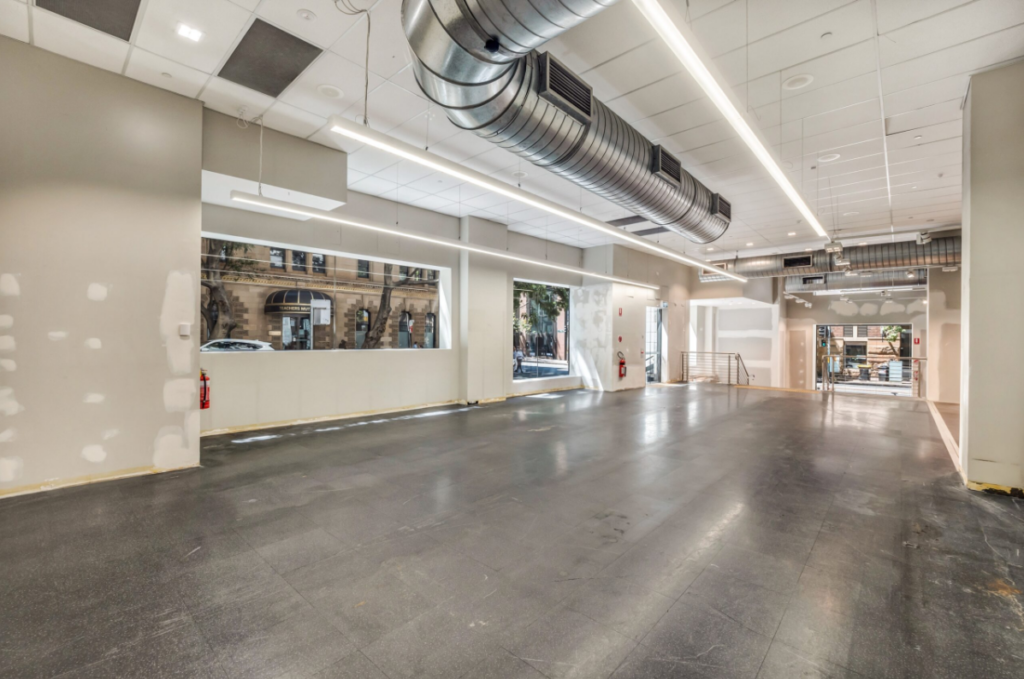
The Power of Pop up Retail
Pop up retail has become one of the most effective formats for retail space hire.
These temporary stores allow brands to create:
- Product launches
- Limited-time brand experiences
- Seasonal activations
- Community-focused events
- Influencer and social media activations
Pop ups generate excitement because they are temporary and exclusive, encouraging customers to visit before the opportunity disappears.
For digital-first brands, this scarcity effect can drive strong engagement and foot traffic.
Where Platforms Like Spacenow Fit In
Finding the right location is often the biggest challenge for brands exploring physical retail.
This is where platforms like Spacenow play a critical role.
Spacenow connects brands with flexible retail spaces across major cities, making it easier to discover, book, and activate physical locations for Pop ups, activations, and short-term retail campaigns.
Instead of navigating traditional leasing processes, brands can:
- Explore available retail spaces quickly
- Choose locations based on foot traffic and audience
- Launch short-term retail experiences with minimal friction
This flexibility enables brands to move faster and experiment more freely with physical retail.
The Future of Retail Is Hybrid
Retail is no longer about choosing between online or offline.
The most successful brands today operate in a hybrid retail ecosystem, combining:
- E-commerce platforms
- Social media engagement
- Physical retail experiences
- Community-driven activations
Digital-first brands that integrate physical retail into their growth strategy often discover new opportunities for customer engagement, storytelling, and brand loyalty.
Retail space hire is not just a temporary solution, it’s becoming a core strategy for modern brand expansion.
Final Thoughts
For digital-first brands looking to scale beyond online channels, physical retail offers a powerful opportunity to connect with customers in meaningful ways.
Through flexible models like retail space hire, brands can test markets, create memorable experiences, and build stronger relationships with their audiences all without the risks of traditional retail leases.
As retail continues to evolve, the brands that thrive will be those that blend digital innovation with real-world experiences.
And for many of them, the journey starts with a Pop up space.