How Store Layout Influences Customer Behaviour in Pop-Up Spaces
6 mins
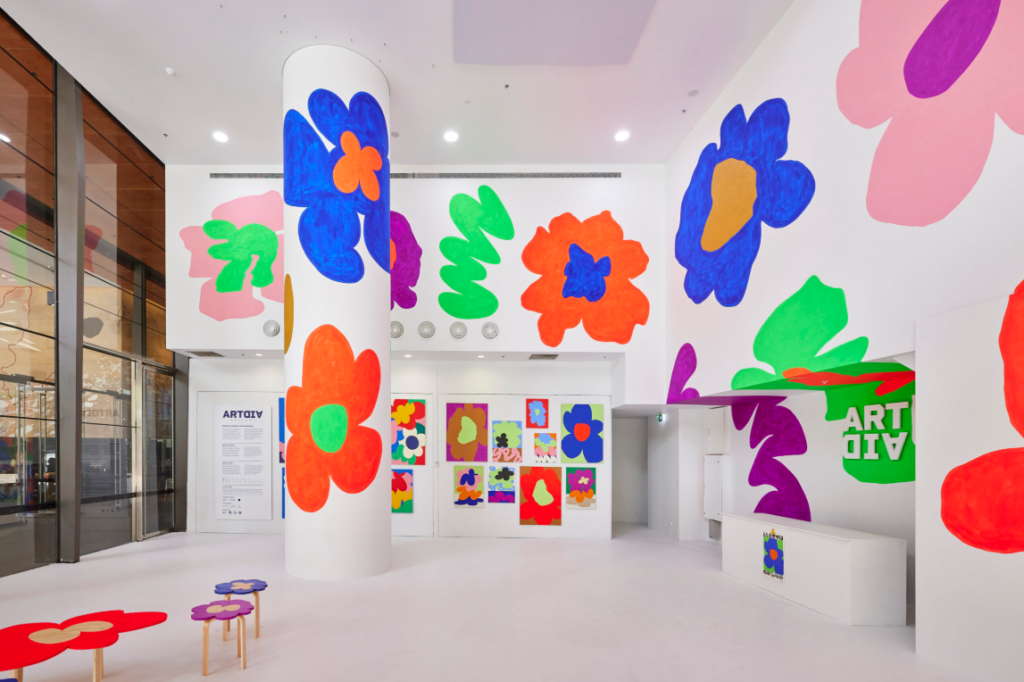
Why Layout Matters in Pop-Up Retail
When launching pop-up spaces, most brands focus on location, product selection, and marketing. While these elements are important, one factor that often determines the success of a retail activation is store layout.
Store layout directly influences how customers move through a space, what products they notice, and how long they stay inside the store.
Research on shopper movement conducted by Nielsen shows that in-store navigation patterns significantly affect product discovery and purchase behaviour. Meanwhile, retail analytics insights from McKinsey & Company highlight that well-designed retail environments can increase both customer engagement and sales performance.
For pop-up spaces, where time and attention are limited, a thoughtful layout can transform a small retail activation into a powerful customer experience.
The Psychology Behind Customer Movement
Customers rarely enter a store and walk randomly. Instead, their movements tend to follow predictable patterns.
Nielsen’s shopper behaviour research indicates that most customers naturally turn to the right when entering a store, then gradually move through the space while scanning displays along their path.
For pop-up retail, this insight is particularly valuable. Since pop-up spaces are often compact, every metre of space needs to guide customers effectively.
Designing the layout around natural customer flow helps brands:
- Improve product visibility
- Encourage deeper exploration of the space
- Increase the likelihood of product interaction
The goal is to create a layout that feels intuitive and inviting, rather than overwhelming or cluttered.
The Importance of the First Impression Zone
The first few steps inside a store are often referred to as the “decompression zone.”
This area gives customers a moment to adjust after entering the space. During this brief period, shoppers take in the environment and begin forming their first impression of the brand.
In a pop-up space, this entrance area should remain relatively open and visually clear. Overloading this section with products can cause customers to feel rushed or disoriented.
Instead, brands can use this zone to introduce their identity through:
- Clean signage
- Strong visual branding
- A clear view of key displays deeper in the store
A well-designed entrance invites customers to explore further.
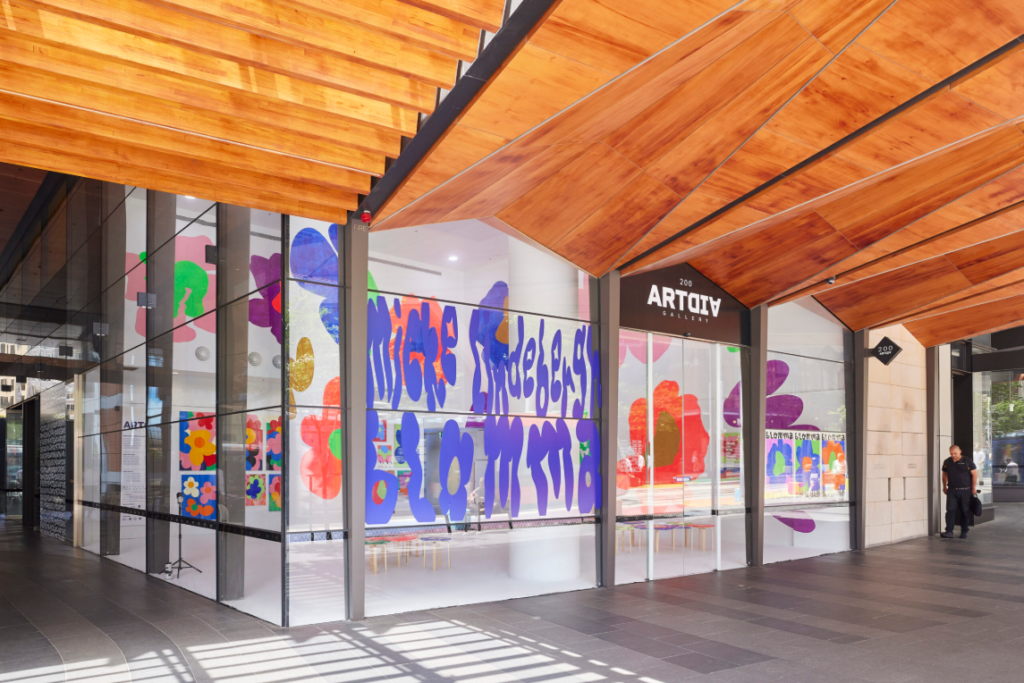
Creating a Clear Customer Journey
Pop-up spaces work best when they guide customers through a natural journey inside the store.
Rather than placing products randomly, retailers should think of the layout as a story that unfolds step by step.
Effective layouts often include:
Feature zones
Highlighting hero products or new releases near the front of the store.
Exploration areas
Allowing customers to browse supporting product collections.
Interaction points
Encouraging customers to touch, test, or try products.
Checkout areas
Positioned in an easily accessible but unobtrusive location.
Retail analytics research from McKinsey emphasises that stores designed with a clear customer journey tend to see higher engagement and longer browsing times.
For pop-up retail, this can translate into stronger sales and more memorable brand experiences.
Using Visual Anchors to Guide Attention
Visual anchors help guide customers through a retail space.
These anchors can include:
- Bold display tables
- Lighting highlights
- Feature walls
- Digital screens
- Statement installations
Strategically placed focal points encourage customers to move deeper into the space rather than staying near the entrance.
In pop-up environments, where layouts are often compact, visual anchors help create a sense of structure and flow within the space.
They also provide excellent opportunities for social media moments, which can further amplify brand exposure.
Balancing Product Density and Open Space
One common mistake in pop-up retail is trying to display too many products at once.
While it may feel tempting to maximise inventory visibility, overcrowded displays can actually reduce customer engagement.
Research on retail environments shows that customers prefer spaces that feel easy to navigate and visually comfortable.
In a pop-up space, maintaining a balance between product displays and open walking areas can help customers feel relaxed and willing to explore.
A curated approach often works best:
- Highlight a smaller number of products
- Use clear product groupings
- Avoid cluttered shelving
This strategy makes the retail experience feel more intentional and premium.
Encouraging Interaction and Discovery
One of the greatest advantages of pop-up retail is the opportunity to create interactive brand experiences.
Unlike traditional retail stores, pop-ups often focus on engagement rather than large inventory displays.
Interactive elements can include:
- Product testing stations
- Styling areas
- Live demonstrations
- Brand storytelling displays
These features encourage customers to spend more time in the space and build stronger emotional connections with the brand.
McKinsey’s retail insights suggest that experiential retail environments significantly increase customer engagement and brand recall.
For pop-ups, this interaction can turn a brief visit into a lasting brand impression.
The Role of Location and Flexible Retail Platforms
While layout design plays a crucial role in customer behaviour, choosing the right pop-up space location is equally important.
High-foot-traffic retail precincts provide access to audiences who may not have discovered the brand online.
Platforms like Spacenow make it easier for brands to discover and book flexible retail spaces in key locations. By connecting brands with suitable pop-up spaces, these platforms allow businesses to focus on designing engaging retail experiences rather than navigating traditional leasing processes.
For brands exploring physical retail, this flexibility opens the door to experimentation, creativity, and rapid market testing.
Final Thoughts
In pop-up retail, every detail matters, especially store layout.
The way a space is organised influences how customers move, what they notice, and how they interact with products.
By applying insights from shopper behaviour research and retail analytics, brands can design pop-up spaces that feel intuitive, engaging, and memorable.
A thoughtfully designed pop-up space does more than display products. It creates an environment that invites exploration, encourages interaction, and brings a brand story to life.
For brands entering the world of physical retail, the right layout can turn a simple pop-up activation into a powerful customer experience.