Retail space in 2026: what it does that ecommerce can’t
4 mins
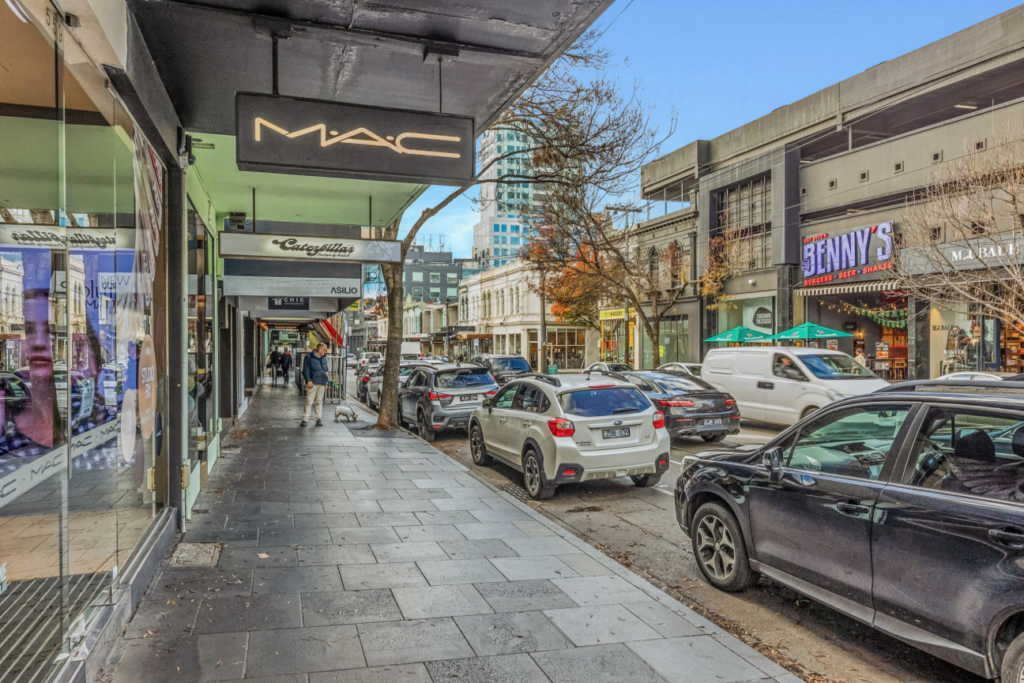
Ecommerce has changed how people shop, but it hasn’t replaced the need for physical presence. In 2026, retail space will play a different role than it did a decade ago. It’s no longer just a point of sale. It’s a growth lever.
Modern retail space supports brand discovery, customer confidence, fulfilment efficiency, and real-world insight. The brands performing best today aren’t choosing between online and offline. They’re using retail space intentionally, alongside digital channels, to strengthen the entire customer journey.
Retail space is where uncertainty disappears
Online shopping is efficient, but it leaves gaps. Customers still hesitate around fit, feel, quality, and scale. Retail space removes those unknowns instantly.
When shoppers can see, touch, and try products, decision-making becomes easier. This is especially true in categories like apparel, beauty, homewares, and electronics, where physical interaction directly influences conversion and satisfaction.
Retail space reduces friction before it becomes a return.
Retail space turns logistics into opportunity
In 2026, retail space is no longer separate from fulfilment. Many brands now use physical locations as part of their delivery and pickup infrastructure.
Click-and-collect, local fulfilment, and same-day pickup all rely on physical retail space. These models lower shipping costs, shorten delivery times, and give customers more control over how they receive purchases.
The result is a retail ecosystem where stores don’t just sell, they support faster, more efficient operations.
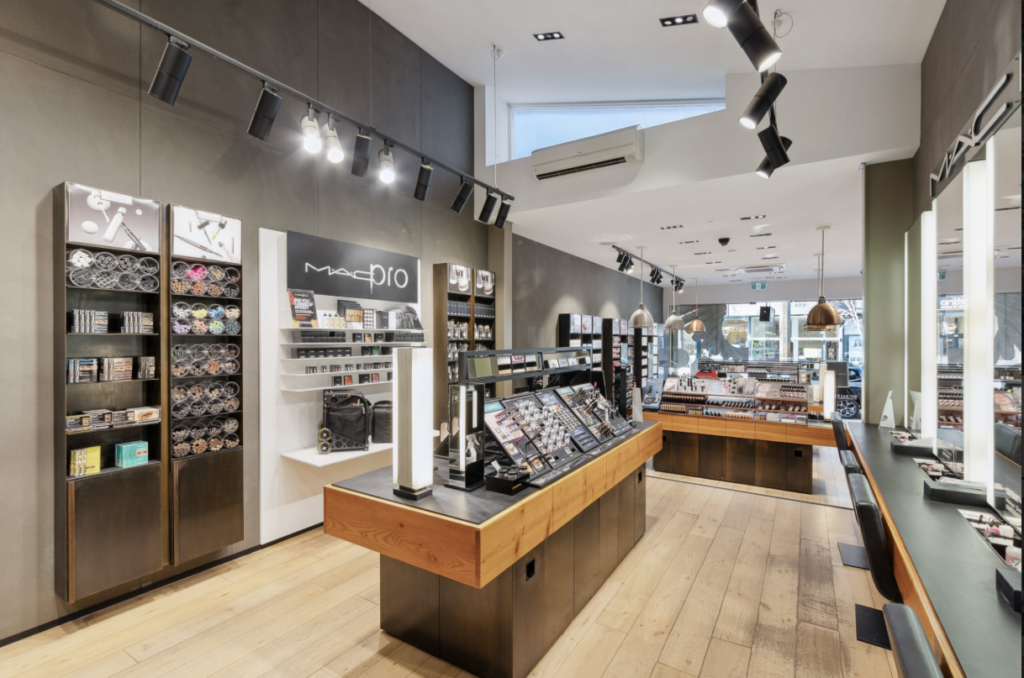
Retail space creates high-value customer moments
Digital channels are excellent for reach, but they struggle with depth. Retail space offers something different: focus.
In-person environments allow brands to create moments that customers remember, whether that’s personalised service, product education, or immersive brand storytelling. These moments build emotional connection, not just transactions.
That connection is often what turns a one-time buyer into a repeat customer.
Retail space provides insight you can’t download
Analytics show what customers click. Retail space shows how they behave.
Watching how people move through a store, what they touch, what they ignore, and what they ask about reveals insights that don’t always appear in dashboards. These observations influence everything from product design to pricing and merchandising.
Retail space acts as a live testing environment, helping brands refine decisions before scaling them online or nationally.
Retail space strengthens brand credibility
For many customers, physical presence still signals legitimacy.
A retail space makes a brand feel established, tangible, and trustworthy. Even when customers don’t buy in-store, seeing a brand in the real world often increases confidence and drives future online purchases.
This credibility effect is especially important for digital-first and emerging brands competing in crowded markets.
Retail space amplifies digital performance
Retail space doesn’t compete with e-commerce. It feeds it.
Physical activations increase brand searches, social sharing, and word-of-mouth. Customers who visit a store are more likely to follow the brand online, subscribe, or return later through digital channels.
Rather than splitting attention, retail space often becomes the spark that powers online growth.
Retail space supports sustainability and community connection
As consumers become more value-driven, retail space offers brands a way to show, not just tell.
Physical locations allow brands to demonstrate sustainable practices, support local partnerships, and host community-focused experiences. These actions are more visible and more believable in real spaces than on landing pages.
Community-driven retail builds loyalty that goes beyond discounts.
Retail space works best when it’s flexible
The defining feature of retail space in 2026 is flexibility.
Short-term leases, modular layouts, and pop up formats allow brands to move faster, test smarter, and avoid unnecessary risk. Retail space is no longer something brands lock into. It’s something they activate with purpose.
This flexibility is what makes physical retail viable, even in an uncertain market.
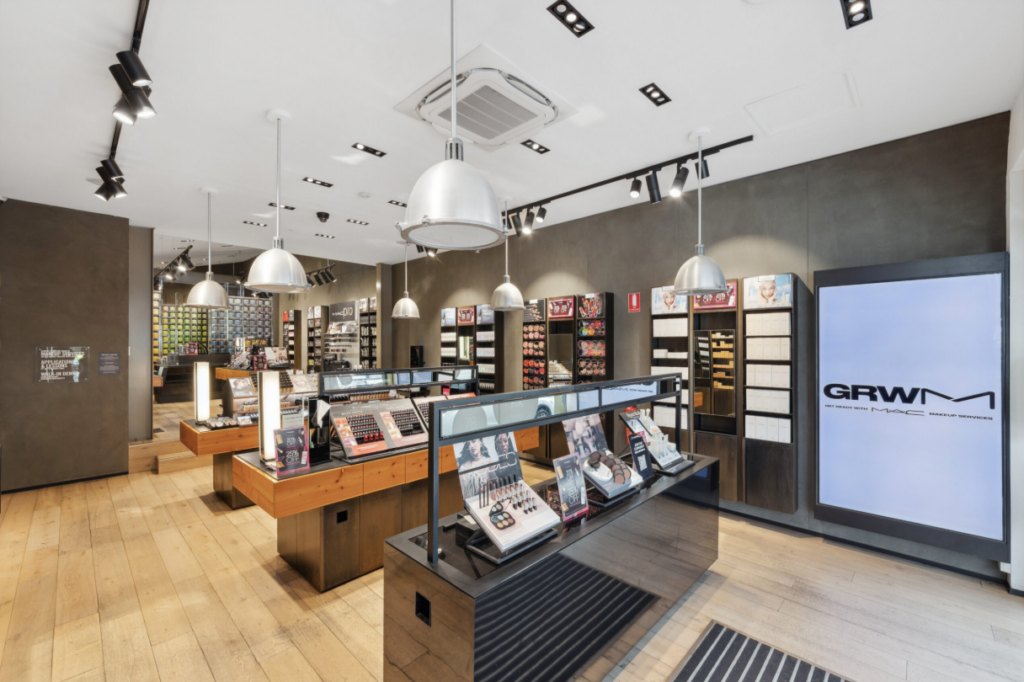
Retail space is no longer optional; it’s strategic
Retail space hasn’t survived by standing still. It has adapted.
Today, it supports sales, logistics, brand experience, customer insight, and community engagement in ways digital alone cannot. Brands that understand this don’t ask whether retail space is worth it. They ask how to use it better.
At Spacenow, we help brands access retail space that fits modern needs, flexible, intentional, and aligned with how customers actually shop today.