Australia’s Pop up Retail Trends: Innovate & Thrive
6 mins
The Dynamic Rise of Pop up Retail Down Under
Pop up retail trends in Australia are reshaping how brands connect with customers through flexible and immersive retail experiences. Traditional long-term leases are giving way to flexible, short-term spaces that allow brands to test concepts, build communities, and respond quickly to market changes.
Pop up retail is no longer just a trend, it's become a strategic business tool. From established brands testing new products to startups seeking their first customer base, businesses across Australia are turning to temporary retail spaces to achieve their goals without massive upfront commitments.
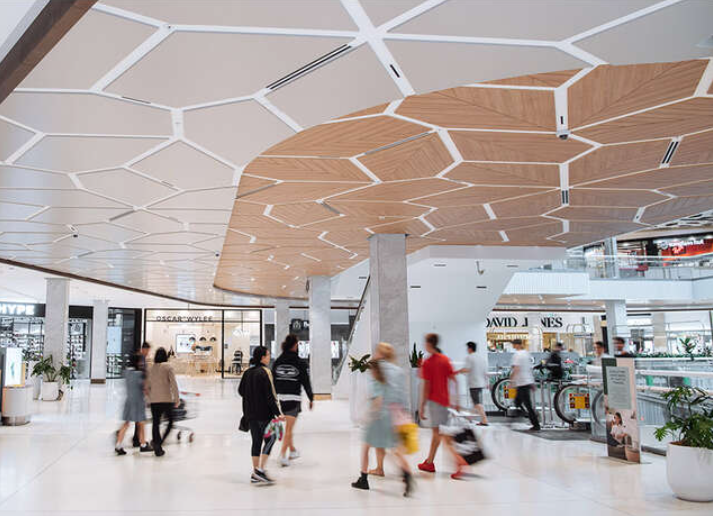
Top Pop up Retail Trends in Australia
Several distinct patterns are shaping how brands approach Pop up retail across the country. These trends reflect changing consumer expectations and business strategies that prioritise flexibility and authentic connection.
Experiential & Immersive Concepts Taking Centre Stage
Customers want more than products they want experiences. Pop ups are responding by creating immersive environments that engage multiple senses. Cosmetics brands set up personalised consultation stations. Fashion labels create styling workshops. Food businesses offer cooking classes alongside product sales.
These experiential concepts work because they create memorable moments that traditional retail often can't deliver. Customers share these experiences on social media, extending the Pop up's reach far beyond its physical footprint.
The Green Wave: Sustainability and Ethical Sourcing
Environmental consciousness drives purchasing decisions more than ever. Pop ups focusing on sustainable products, ethical sourcing, and eco-friendly packaging are seeing strong customer response.
Zero-waste stores, upcycled fashion Pop ups, and locally-sourced food concepts are particularly popular. These businesses often use their temporary nature to educate customers about sustainability while building brand loyalty around shared values.
Hyper-Local & Community-Focused Pop ups
Successful Pop ups increasingly focus on local communities rather than trying to appeal to everyone. They source products locally, hire local staff, and partner with nearby businesses.
This approach creates authentic connections with customers who value supporting local businesses. It also reduces operational complexity by working within established local networks and supply chains.
Tech Integration: Enhancing the Pop up Experience
Technology is transforming how Pop ups operate and engage customers. QR codes connect physical spaces to digital experiences. Augmented reality lets customers visualise products in different contexts. Digital payment systems streamline transactions.
Smart inventory management helps Pop ups track performance in real-time, adjusting stock and pricing based on immediate customer response. This data helps inform decisions for future Pop ups or permanent retail strategies.
Pop ups as Powerful Marketing & PR Tools
Brands are using Pop ups strategically for PR event venues and marketing activations. Product launches, media events, and influencer gatherings benefit from the limited-time nature of Pop up spaces.
The temporary aspect creates urgency that drives attendance and media coverage. Pop ups generate content for social media campaigns and provide opportunities for customer feedback before wider product rollouts.
Why Pop up Retail Trends Matter for Brands
Understanding these trends helps businesses make informed decisions about their retail strategy. The benefits of short-term retail space extend beyond just lower costs.
Pop ups allow rapid market testing without long-term commitments. You can gauge customer response, refine product offerings, and build brand awareness in specific locations. Failed concepts don't result in years of lease obligations.
The flexibility also means you can respond to seasonal demand, special events, or unexpected opportunities. A successful Pop up can inform decisions about permanent locations, while unsuccessful ones provide valuable learning without devastating financial impact.
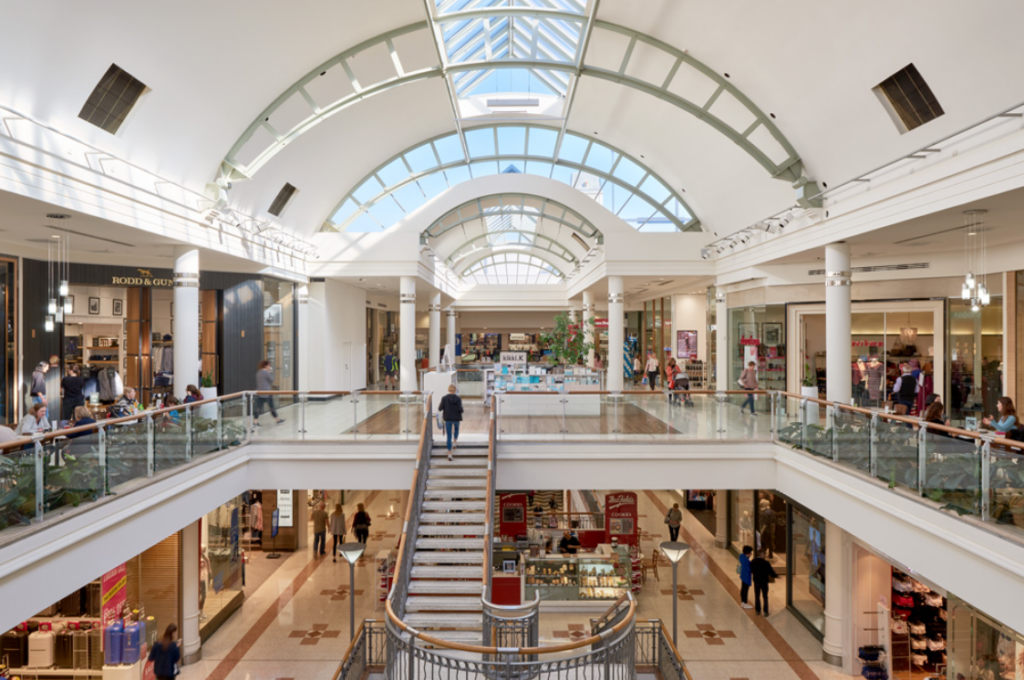
How to Capitalise on Australia's Pop up Boom
Start by identifying your specific goals. Are you testing a new product? Building brand awareness in a new market? Generating immediate sales? Clear objectives help guide space selection and concept development.
Consider which trends align with your brand values and target customers. Sustainability-focused businesses should emphasise eco-friendly practices. Tech companies might integrate digital experiences. Community-oriented brands should focus on local partnerships.
Location matters enormously. Pop up spaces in Sydney offer different opportunities than suburban locations. High-traffic areas provide exposure but may cost more. Neighbourhood spaces offer community connection at lower rates.
Budget for more than just rent. Factor in setup costs, staffing, inventory, marketing, and any required insurance or permits. Understanding total costs helps ensure profitability and sets realistic expectations.
Plan your timeline carefully. Most successful Pop ups run for specific durations - anywhere from a few days for product launches to several months for market testing. Shorter durations create urgency; longer ones allow relationship building.
Learning from Successful Pop up Formats
Different Pop up retail formats work better for different business types. Product-focused Pop ups suit established brands testing new markets. Service-based Pop ups work well for consulting businesses or personal services.
Market stalls and festival booths provide low-cost entry points for testing concepts. Shop-in-shop arrangements let you partner with existing retailers. Standalone spaces offer complete control but require more investment.
Finding Your Perfect Pop up Space
The right space can make or break your Pop up success. Consider foot traffic patterns, nearby businesses, parking availability, and public transport access. Pop up spaces in Melbourne often benefit from the city's strong café and arts culture.
Space features matter too. Consider storage requirements, display options, electrical capacity, and internet connectivity. Some concepts need open layouts for events; others require private areas for consultations.
Negotiate terms that protect your interests while respecting property owners' needs. Understand who handles utilities, cleaning, security, and maintenance. Clear agreements prevent misunderstandings and additional costs.
Ready to Launch Your Pop up Success Story
Australia's Pop up retail market offers significant opportunities for businesses willing to embrace flexibility and innovation. Success requires understanding current trends, clear planning, and the right space for your specific concept.
The combination of changing consumer expectations, improved technology, and flexible leasing options creates ideal conditions for Pop up retail success. Businesses that act strategically can build brand awareness, test concepts, and generate revenue while minimising traditional retail risks.
Ready to launch your own trend-setting Pop up? Explore unique Pop up spaces across Australia on Spacenow today and find the perfect location for your next retail success story.