Retail Space: Why Physical Stores Still Drive Retail Growth
5 mins
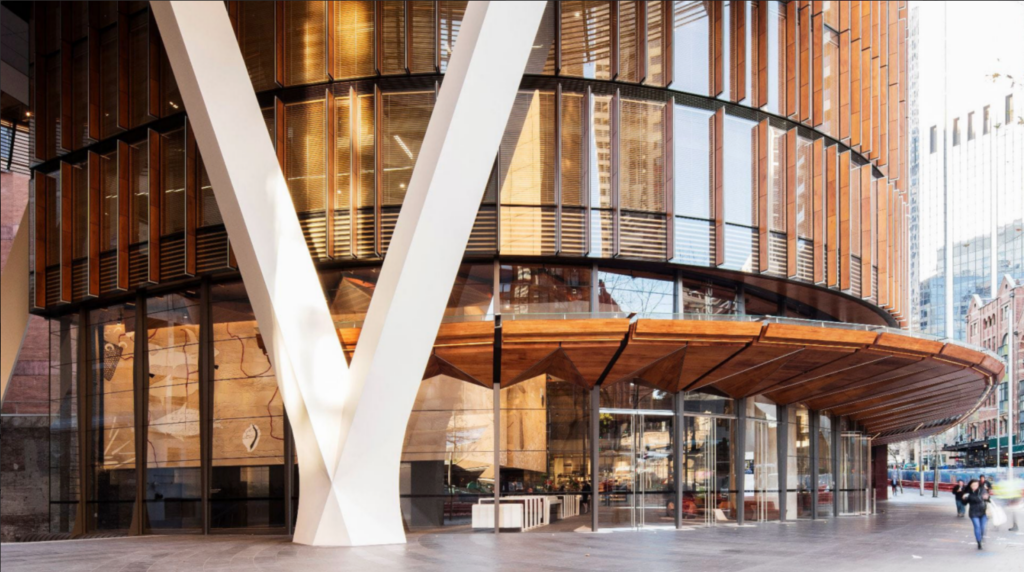
Retail space continues to play a critical role in modern commerce. While online shopping keeps growing, physical shops remain at the centre of the retail economy. Across major markets, in-store sales still represent the majority of retail revenue, proving that customers value real experiences as much as digital convenience.
For brands looking to scale without long-term risk, platforms like Spacenow make it easier to access flexible retail space in high-traffic locations, supporting short-term activations, pop-ups and in-store testing strategies.

1. In-store collection drives extra sales
Click and collect has become one of the most effective ways to connect digital journeys with physical space. When customers collect their online orders in person, many make additional purchases because the visit exposes them to merchandise, offers and product displays.
This turns a basic service into a sales opportunity. Brands using short-term retail or pop-ups inside high-traffic locations can benefit even further, positioning themselves directly along the collection path.
2. Physical stores reduce return rates
Online returns are costly because customers cannot assess products before purchasing. In-store shopping significantly lowers the chance of returns by allowing buyers to test products, compare options and ask for assistance.
Even when returns do occur, having a physical location provides a smoother experience for customers and reduces the operational cost for retailers. Many customers exchange items in person, creating more sales and stronger satisfaction.
3. Touch, try and feel still drives conversion in retail space
Uncertainty is one of the biggest obstacles in online retail. Colour, fit, texture and function are difficult to judge on a screen. Physical stores remove this barrier by allowing customers to interact with products directly.
This matters most in categories such as fashion, homeware, beauty and electronics. Brands that secure the right retail space through retail hire services benefit from increased confidence and stronger conversion rates.
4. Human service builds loyalty
Digital browsing may be convenient, but personal service remains a powerful differentiator. Helpful staff, product knowledge and personalised support create memorable experiences that build trust and repeat visits.
Technology such as AI-assisted recommendations or mobile point of sale systems can enhance the interaction. When combined with the right retail space hire setup, these tools help brands deliver a seamless and efficient customer journey.
5. Stores offer insights that data alone cannot capture
Physical retail is a live testing environment. Observing how customers move, what they pick up and what they ignore reveals insights that online analytics cannot provide on their own.
This helps brands refine product ranges, improve merchandising and adjust marketing strategies. Pop-ups and short-term hire activations offer particularly valuable insight because they attract different customer segments in different locations.

6. Retail space strengthens brand identity
A store is more than a sales channel. It is a brand environment. Well-designed retail space allows customers to experience the brand in a tangible, immersive way that online platforms cannot match.
Interactive displays, creative fit-outs and sensory elements all help reinforce identity. Retailers that secure flexible retail space hire can create impactful moments without long commitments, especially when planning launches or seasonal campaigns.
7. Stores support quicker fulfilment and logistics
Many retailers now use their stores as local fulfilment hubs. Ship-from-store and same-day collection models reduce delivery times, improve stock efficiency and lower distribution costs.
This approach is not exclusive to large chains. Brands using short-term retail space in strategic locations can also offer rapid fulfilment and convenient pick-up options for local customers.
8. Opening a physical location boosts online performance
Stores create visibility. When a brand opens a physical presence in a high-traffic area, online searches and website visits often increase. Customers are more likely to engage with the brand digitally once they have encountered it in person.
This effect benefits both well-established brands and emerging businesses using short-term hire arrangements to raise their profile.
9. Sustainability and community engagement thrive in-store
Customers increasingly value sustainability. Physical stores give retailers the opportunity to showcase low-waste initiatives, responsible sourcing and eco-conscious packaging in a visible way.
They also allow for community engagement. Workshops, events, demonstrations and collaborations create meaningful connections, turning the retail space into a local hub.

The future of physical retail
Stores are evolving into hybrid experience centres that combine convenience, service and brand storytelling. The most successful retailers will be those who blend digital efficiency with the power of real-world interaction.
For brands exploring retail space hire, short-term hire or long-term activations, the physical store remains one of the strongest tools for growth, visibility and customer loyalty.