Why Short-Term Hire Retail Space Is Opening Doors for Local Artists and Makers
4 mins
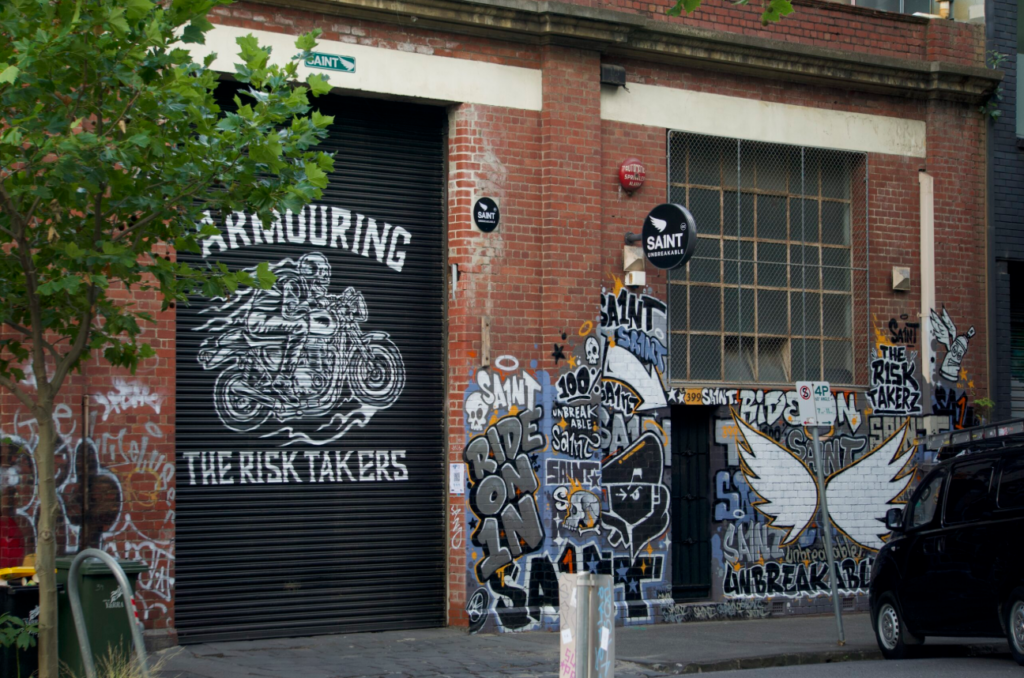
For many local artists and makers, access to short-term hire retail space has always been the biggest barrier to growth. Long-term leases, high upfront costs, and rigid tenancy structures are rarely compatible with small-scale production or independent creative work.
Pop-up retail has changed that.
Through short-term hire, artists and makers can access retail space in a way that is flexible, affordable, and aligned with how they actually operate. Rather than committing to permanence, they can focus on visibility, connection, and learning.
Pop-Up Retail as Access, Not Exposure
Pop-ups are often described as marketing opportunities. For local creators, they are something more fundamental: access to physical retail space.
Short-term retail hire allows artists and makers to:
- Sell directly to customers without intermediaries
- Test physical retail without financial overreach
- Operate on timelines that match production capacity
This shift from permanent tenancy to temporary access has opened retail doors that were previously closed.
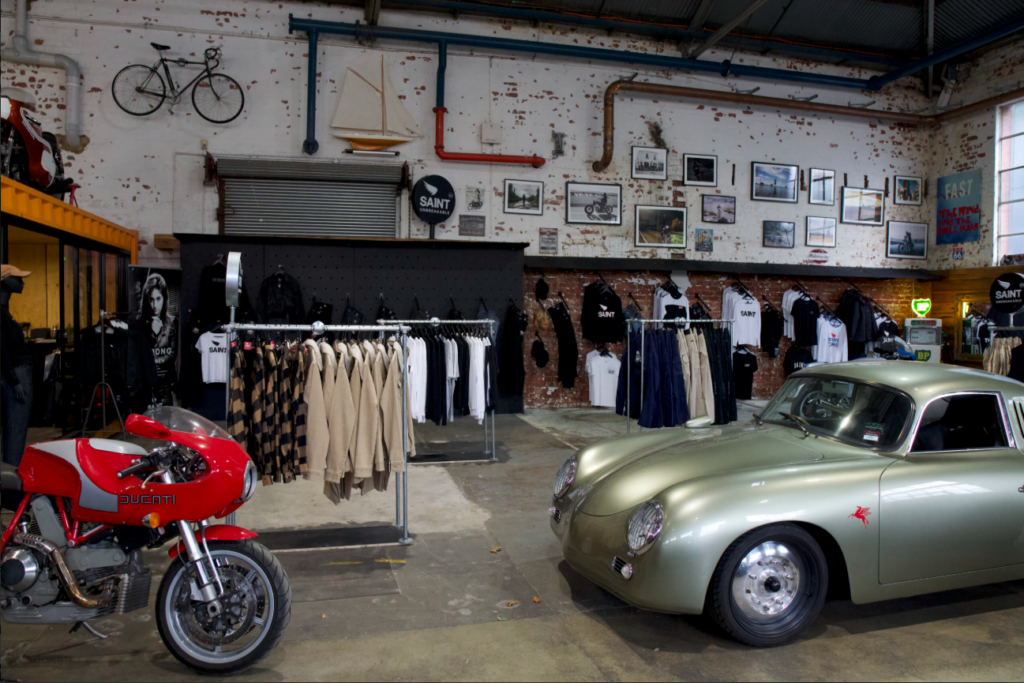
Why Short-Term Hire Works for Independent Creators
Lower Barriers to Entry
Traditional retail assumes scale. Local makers rarely operate at that level.
Short-term hire lowers the barrier by:
- Reducing upfront costs
- Removing long lease commitments
- Allowing creators to trade only when it makes sense
This makes pop-up retail viable even for part-time or early-stage makers.
Direct Feedback in Real Time
For artists and makers, feedback is as valuable as sales.
Pop-up retail spaces allow creators to:
- Observe how customers interact with their work
- Hear questions, objections, and preferences directly
- Understand pricing sensitivity in person
These insights often inform future collections, pricing, and production decisions.
A Platform for Story, Not Just Product
Local makers are often the story behind what they sell.
Retail space used on a short-term basis gives creators the opportunity to:
- Explain process and materials
- Share the inspiration behind their work
- Build stronger emotional connection with buyers
This depth of engagement is difficult to achieve online alone.
How Pop-Up Retail Strengthens Local Creative Economies
Supporting Sustainable Growth
Rather than pushing artists into scale too early, short-term hire supports measured growth.
Creators can:
- Increase output gradually
- Build an audience over time
- Reinvest earnings into their practice
Pop-up retail allows growth without forcing unsustainable expansion.
Activating Underused Retail Space
From the perspective of precincts and centres, local maker pop-ups bring variety and relevance.
Artist-led pop-up retail:
- Adds character to retail environments
- Encourages repeat visitation
- Strengthens local identity
This creates value beyond immediate sales.
Encouraging Collaboration Without Dependency
While some pop-ups are collaborative, many maker-focused activations work as shared environments, not partnerships.
Multiple artists can:
- Share a retail space
- Trade independently
- Benefit from collective foot traffic
This model supports community without requiring brand alignment or co-ownership.
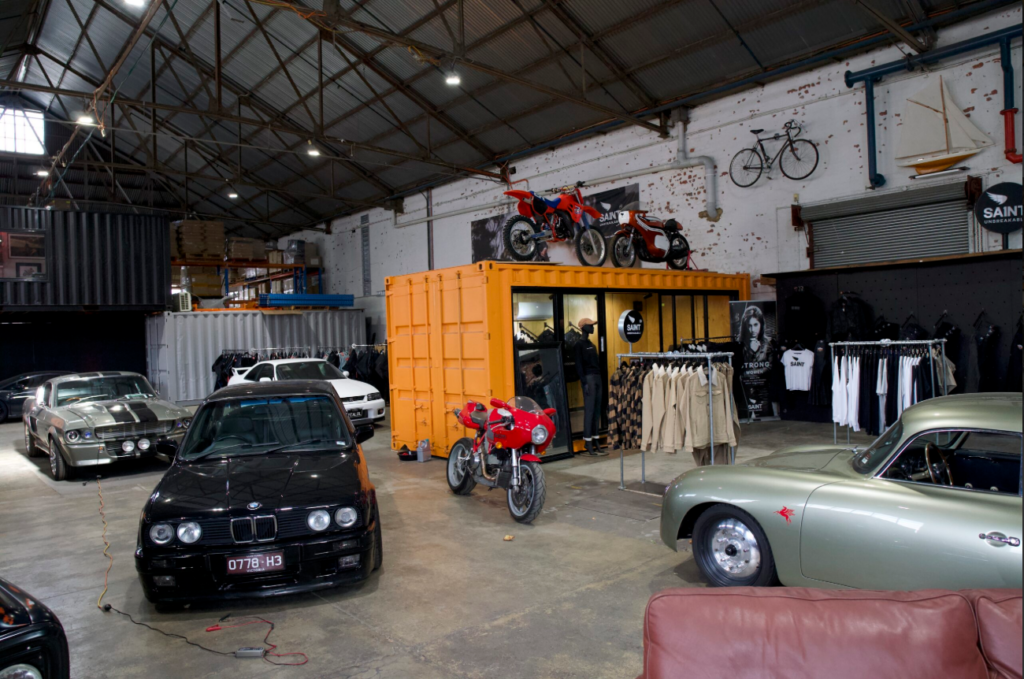
When Pop-Up Retail Makes the Most Sense for Artists and Makers
Short-term retail space is particularly effective for:
- Limited collections or drops
- Seasonal trading periods
- Market testing in new locations
- Artists transitioning from markets to retail
In each case, pop-up retail acts as a bridge, not a leap.
Why This Matters for the Future of Retail Space
As consumers increasingly value authenticity and local production, short-term hire retail spaces understand the need to accommodate smaller, independent operators.
Pop-up retail and short-term hire allow:
- More diverse voices in physical retail
- Stronger connection between communities and creators
- Retail environments that feel alive, not formulaic
This is not a trend. It is a structural shift in how retail space is used
At Spacenow, pop-up retail and short-term hire make it easier for local artists and makers to access retail space that fits their scale, timelines, and ambitions.
Retail works best when more people can participate in it.