Pop up Space: Why Customers Spend More in Temporary Retail Environments
5 mins
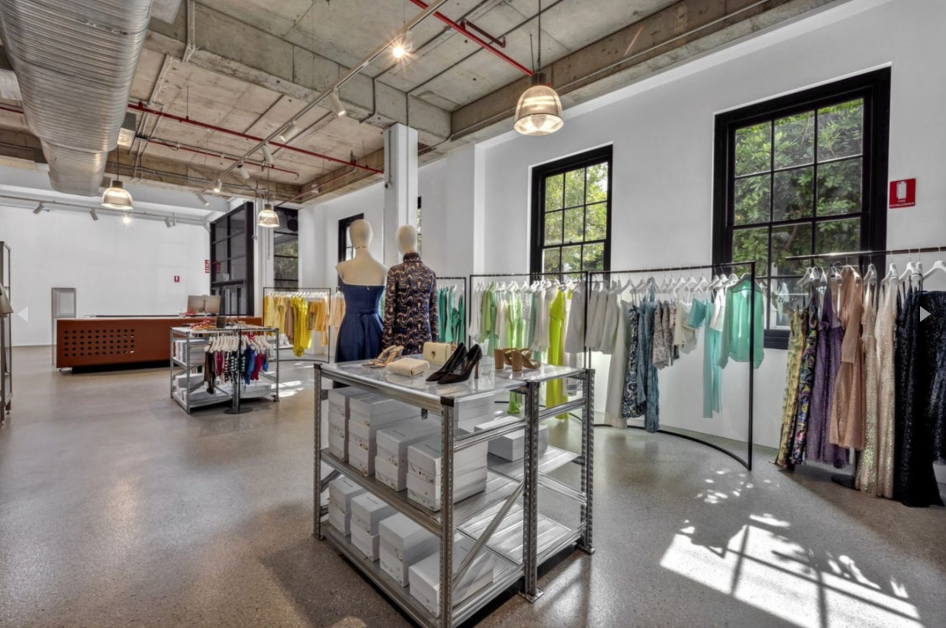
The Rise of Temporary Retail
Retail is evolving rapidly, and one of the most noticeable shifts in recent years is the rise of temporary retail environments. From product launches to seasonal brand activations, Pop up concepts are becoming an increasingly popular strategy for businesses looking to connect with customers in physical spaces.
A Pop up space allows brands to create short-term retail experiences that feel fresh, exclusive, and engaging. Unlike traditional stores, these spaces are designed around limited-time opportunities, often encouraging customers to explore, interact, and purchase while the activation is available.
Insights from Harvard Business Review’s research on consumer behaviour suggest that experiential retail environments can significantly influence customer engagement and spending patterns. Similarly, Deloitte’s retail experience insights highlight how immersive and interactive shopping environments often encourage deeper customer involvement with brands.
Together, these findings help explain why customers often spend more in temporary retail settings.
The Psychology of Limited-Time Experiences
One of the key reasons temporary retail environments perform well is the sense of urgency they create.
Pop up spaces typically operate for a limited time, which naturally encourages customers to act quickly. When shoppers know an opportunity will disappear soon, they are more likely to make immediate purchase decisions.
This phenomenon is often linked to the psychological principle of scarcity. Limited availability can increase perceived value and motivate faster purchasing behaviour.
In a Pop up retail environment, customers often feel they must take advantage of the experience while it lasts, which can lead to higher spending compared to routine shopping visits.
Creating Memorable Brand Experiences
Temporary retail environments are often designed with experience at the centre.
Instead of simply displaying products on shelves, many Pop up spaces focus on storytelling, visual design, and customer interaction. This shift from transactional retail to experiential retail can significantly influence purchasing behaviour.
Harvard Business Review research has highlighted how experiential retail environments strengthen emotional connections between customers and brands. When customers feel engaged and entertained, they are more likely to form positive associations with the brand and make purchases.
Examples of experiential elements in Pop up spaces include:
- Interactive product demonstrations
- Creative visual displays
- Brand storytelling installations
- Limited-edition collections or exclusive products
These experiences transform shopping from a routine task into something more engaging and memorable.
Encouraging Product Discovery
Another factor that contributes to increased spending in temporary retail environments is product discovery.
Pop up spaces are often designed with curated displays and focused product selections. This layout encourages customers to browse more freely and explore items they might not have originally planned to purchase.
Unlike larger stores with extensive product ranges, Pop ups often highlight a smaller selection of products in a carefully arranged environment.
This curated approach can make it easier for customers to:
- Notice featured products
- Understand product benefits quickly
- Discover complementary items
As a result, customers may be more likely to make additional purchases during their visit.
Strengthening Emotional Connections with Brands
Temporary retail spaces often provide opportunities for direct interaction between customers and brands.
In many cases, customers visiting a Pop up space may meet the founders, designers, or brand representatives behind the products. These personal interactions can create stronger emotional connections and build trust.
According to Deloitte’s retail experience insights, emotional engagement plays an important role in consumer decision-making. When customers feel connected to a brand’s story or values, they are often more willing to support it through purchases.
This connection can also lead to long-term brand loyalty beyond the initial visit.
Social Sharing and Community Engagement
Pop up spaces are also designed to be shareable, community-driven experiences.
Many brands incorporate visually appealing displays or interactive installations that encourage customers to take photos, share their experiences on social media, and engage with a wider community.
This social sharing can amplify the impact of a Pop up activation by:
Increasing brand visibility
Attracting new visitors
Creating excitement within the community around the limited-time event
When customers see others visiting and enjoying a Pop up space, it can encourage them and their community to participate as well.
This cycle of engagement helps build a sense of community, maintain strong foot traffic, and reinforce the exclusivity associated with temporary retail environments.
The Advantage of Flexible Retail Spaces
Temporary retail environments have become more accessible as flexible retail models continue to grow.
Platforms like Spacenow help brands discover and activate Pop up spaces in high-traffic retail locations. These flexible spaces allow businesses to create engaging retail experiences without committing to long-term leases.
For emerging brands, entrepreneurs, and digital-first businesses, this flexibility makes it easier to experiment with physical retail and explore new markets.
By activating a Pop up space, brands can focus on delivering unique customer experiences while maintaining operational agility.
Final Thoughts
Temporary retail environments offer a powerful way for brands to engage customers and drive stronger purchasing behaviour.
The combination of limited-time availability, immersive experiences, curated product displays, and emotional brand connections can encourage customers to spend more during their visit.
For businesses exploring new ways to connect with their audiences, Pop up spaces provide a dynamic and flexible retail opportunity.
When thoughtfully designed, a Pop up space becomes more than just a temporary store, it becomes an experience that attracts attention, encourages discovery, and strengthens relationships between brands and their customers.