Collaborative Pop ups: How to Co-Create With Other Brands
4 mins
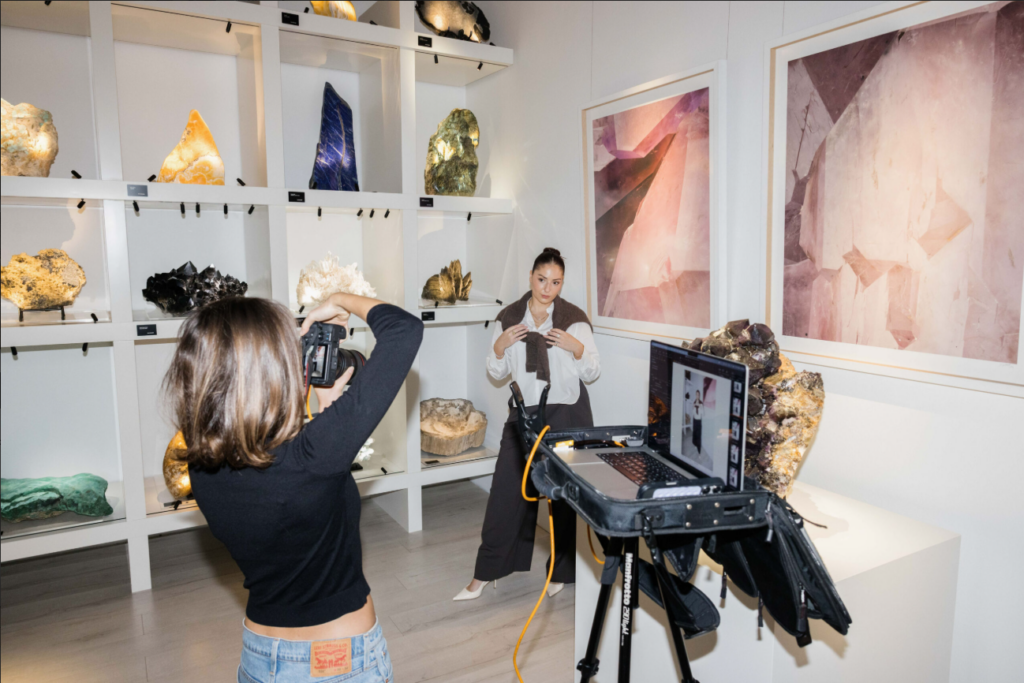
Pop up retail has evolved beyond single-brand activations. Increasingly, brands are using collaborative Pop ups to share retail space, audiences, and costs while creating more compelling in-person experiences.
By partnering with complementary brands, businesses can use short-term hire more strategically, turning temporary retail space into a platform for collaboration rather than a standalone store.
This approach is gaining traction because it aligns with how modern brands operate: flexible, audience-led, and efficiency-driven.
What Is a Collaborative Pop up?
A collaborative Pop up is a shared Pop up retail activation where two or more brands co-create a temporary retail space. Rather than competing for attention, each brand contributes to a unified experience that benefits all parties involved.
Collaborations can take many forms:
- Two brands sharing a single retail space
- Multi-brand Pop ups built around a theme or lifestyle
- Product-based partnerships with complementary offerings
- Community or local-maker collectives
The key is alignment, not volume. Successful collaborations feel intentional, not crowded.
Why Brands Are Choosing Collaborative Pop up Retail
Shared Risk Through Short-Term Hire
Short-term hire already reduces commitment compared to permanent retail. Collaboration takes this a step further by sharing costs such as rent, staffing, and fit-out.
This makes retail space more accessible, particularly for:
- Emerging brands
- Online-first businesses
- Seasonal or campaign-based activations
Lower exposure allows brands to test physical retail without overextending.
Access to New, Relevant Audiences
One of the biggest advantages of collaborative Pop up retail is audience crossover.
When brands share similar values or target customers, collaboration allows each partner to reach new customers who are already primed to engage. This often results in:
- Higher quality foot traffic
- Longer dwell time
- Stronger conversion than single-brand Pop ups
Stronger Retail Experiences
Collaborative Pop ups often feel more dynamic because they offer variety within a single retail space.
Instead of one narrow product range, customers experience:
- Complementary products or services
- Broader lifestyle storytelling
- A reason to stay longer and explore
For Pop up retail, experience matters as much as location.
Choosing the Right Partners Matters
Not every collaboration works. The most effective collaborative Pop ups are built on strategic alignment, not convenience.
Brands should look for partners with:
- Overlapping but not identical audiences
- Complementary price points
- Aligned brand values and aesthetics
- Clear roles within the shared retail space
Poor alignment can dilute brand impact and confuse customers, even in short-term hire environments.
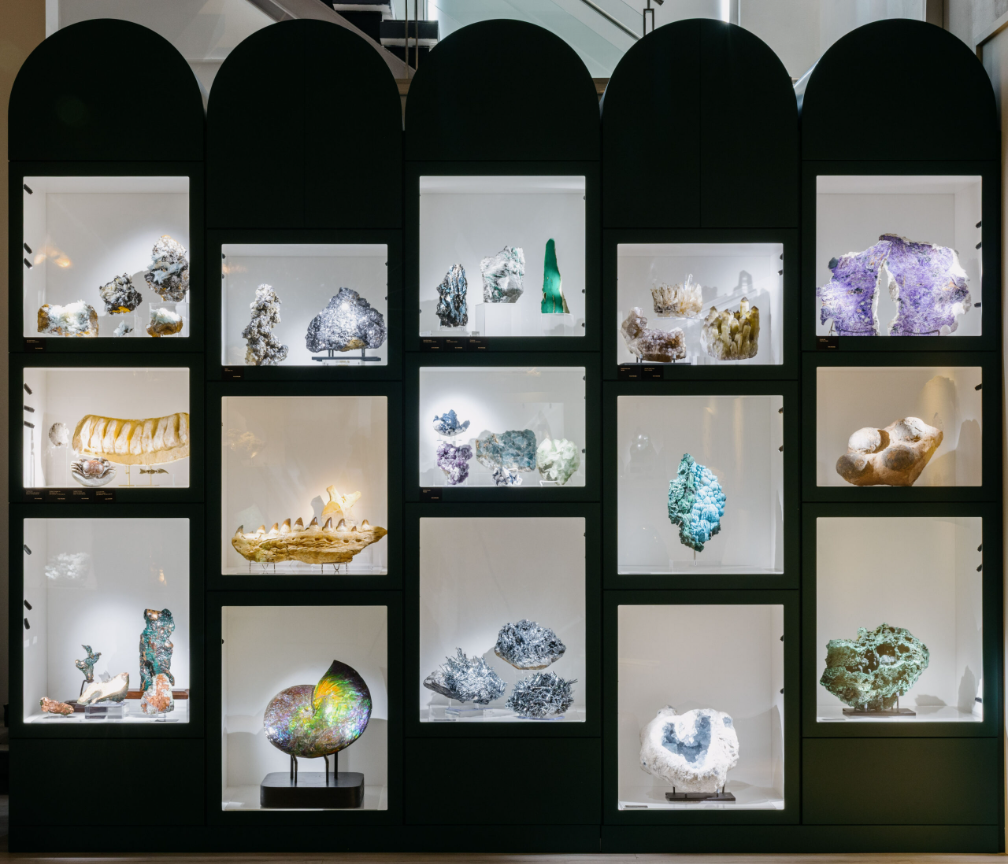
How Collaborative Pop ups Use Retail Space More Efficiently
Retail space is finite, especially in high-foot-traffic locations. Collaborative Pop ups make better use of that space by:
- Increasing product density without overcrowding
- Creating multiple engagement points within one footprint
- Justifying premium locations through shared cost
This efficiency is one reason collaborative Pop up retail performs well in shopping centres and high-visibility precincts.
When Collaborative Pop ups Make the Most Sense
Collaborative Pop ups are particularly effective for:
- Product launches supported by complementary brands
- Seasonal retail periods where demand is concentrated
- Brands testing new locations via short-term hire
- Community-driven or locally focused activations
In these scenarios, collaboration adds value rather than complexity.

Collaboration as a Retail Strategy, Not a Trend
Collaborative Pop up retail reflects a broader shift in how brands think about physical space.
Retail space is no longer just somewhere to sell. It is:
- A shared platform
- A testing ground
- A way to build relevance quickly
When combined with short-term hire, collaboration allows brands to move faster, learn more, and commit later.
At Spacenow, brands use Pop up retail and short-term hire to create collaborative activations that make commercial sense, from shared Pop ups to multi-brand retail concepts.
Better partnerships start with the right retail space.