Pop up Retail vs E-Commerce: When Physical Space Wins
4 mins
Pop up Retail vs E-Commerce Is Shaping Modern Retail Strategy
Pop up retail vs e-commerce is no longer a question of choosing one over the other.
E-commerce has transformed how brands launch, scale, and sell.
It offers:
- Global reach
- Lower overhead
- Always-on accessibility
But despite these advantages, physical retail still plays a critical role, especially when it comes to trust, experience, and conversion.
The most effective brands today are combining both channels strategically rather than treating them as competitors.
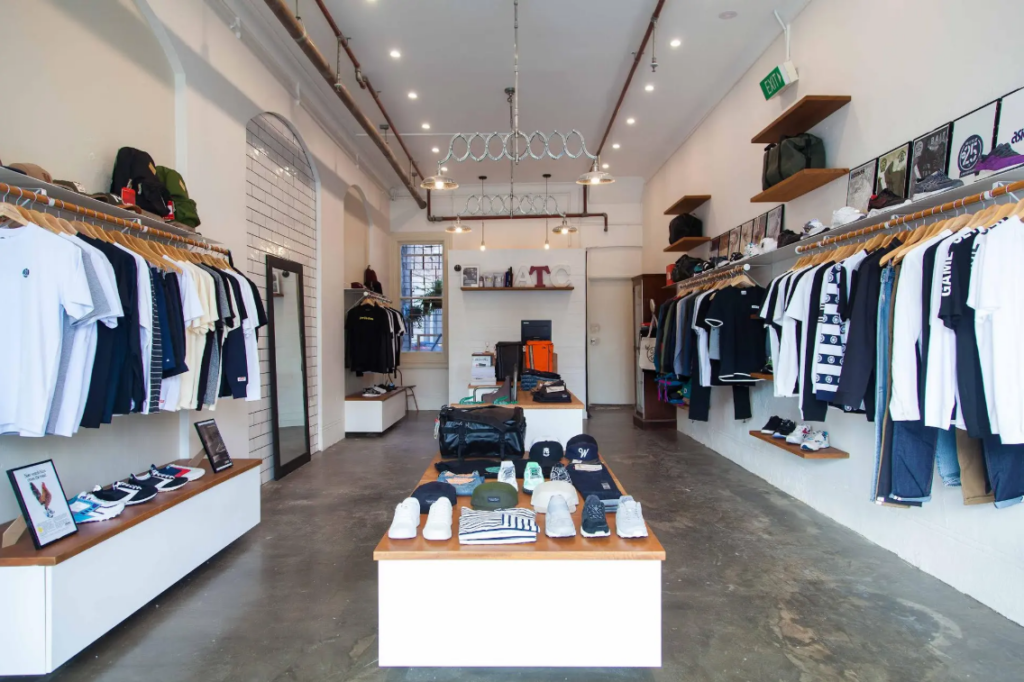
The Strength of E-Commerce - and Its Limitations
E-commerce excels at:
- Convenience
- Scalability
- Data tracking
Customers can:
- Discover products instantly
- Compare options easily
- Purchase from anywhere
However, online retail also has limitations:
- Lack of physical interaction
- Lower trust for emerging brands
- Constant competition and distraction
This is where Pop up retail creates a strategic advantage.
Where Pop up Retail Wins Over E-Commerce
1. Trust Builds Faster In Person
Online trust often depends on:
- Reviews
- Social proof
- Branding
In a physical space, trust is immediate.
Customers can:
- See product quality
- Ask questions directly
- Experience the brand firsthand
Result:
Higher confidence and faster purchasing decisions.
2. Physical Experience Improves Conversion
Certain products perform better when experienced physically.
Examples include:
- Fashion
- Beauty
- Lifestyle products
Pop up retail allows customers to:
- Touch
- Try
- Experience products directly
This reduces hesitation and improves conversion rates.
3. Physical Retail Reduces Digital Distraction
Online environments are crowded with:
- Multiple tabs
- Competing ads
- Endless scrolling
In a Pop up:
- The environment is controlled
- Customers are more immersed
- Distractions are minimised
This creates deeper engagement and stronger buying intent.
4. Real-Time Customer Feedback
E-commerce data shows what customers do.
Physical retail reveals why they do it.
Brands can observe:
- Customer reactions
- Questions and objections
- Behaviour patterns
This creates faster learning and real-time optimisation opportunities.
5. Emotional Connection and Brand Memory
Pop ups create memorable experiences.
A well-designed activation can:
- Tell a story
- Create emotion
- Build lasting impressions
This strengthens:
- Brand loyalty
- Repeat purchases
- Word-of-mouth growth
When E-Commerce Still Performs Best
E-commerce remains essential for:
- Convenience
- Accessibility
- Repeat purchases
- Geographic scale
The objective is not to replace e-commerce but to strengthen it.

Why Pop up Retail and E-Commerce Work Better Together
The strongest retail strategies combine physical and digital channels.
Examples:
- Discover online → experience in-store → purchase later online
- Visit Pop up → follow on social media → convert digitally
- Try in-store → reorder online
Each channel supports the other.
How Spacenow Supports Hybrid Retail Strategy
Spacenow allows brands to activate physical retail without traditional barriers.
Brands can:
- Access short-term retail spaces
- Test physical retail strategies
- Identify where Pop ups improve digital performance
This creates a more flexible and connected retail model.
Choosing the Right Channel for the Right Objective
Use Pop up retail when the goal is to:
- Build trust quickly
- Increase conversion for tactile products
- Create memorable experiences
- Generate engagement
Use e-commerce when the goal is to:
- Scale efficiently
- Enable repeat purchases
- Reach wider audiences
The Future of Retail Is Integrated
Retail is no longer online vs offline.
Pop up retail provides:
- Human interaction
- Physical experience
- Emotional connection
E-commerce provides:
- Convenience
- Scale
- Ongoing accessibility
Together, they create stronger customer journeys.
Final Thought
Pop up retail does not compete with e-commerce it complements it.
But when:
- Trust matters
- Experience influences decisions
- Conversion needs improvement
Physical retail often wins.
And with flexible platforms like Spacenow, brands no longer need to choose between online and offline.
They can strategically combine both to create stronger, more memorable retail experiences.