The New Commerce Ecosystem: Where Physical and Digital Now Meet
4 mins
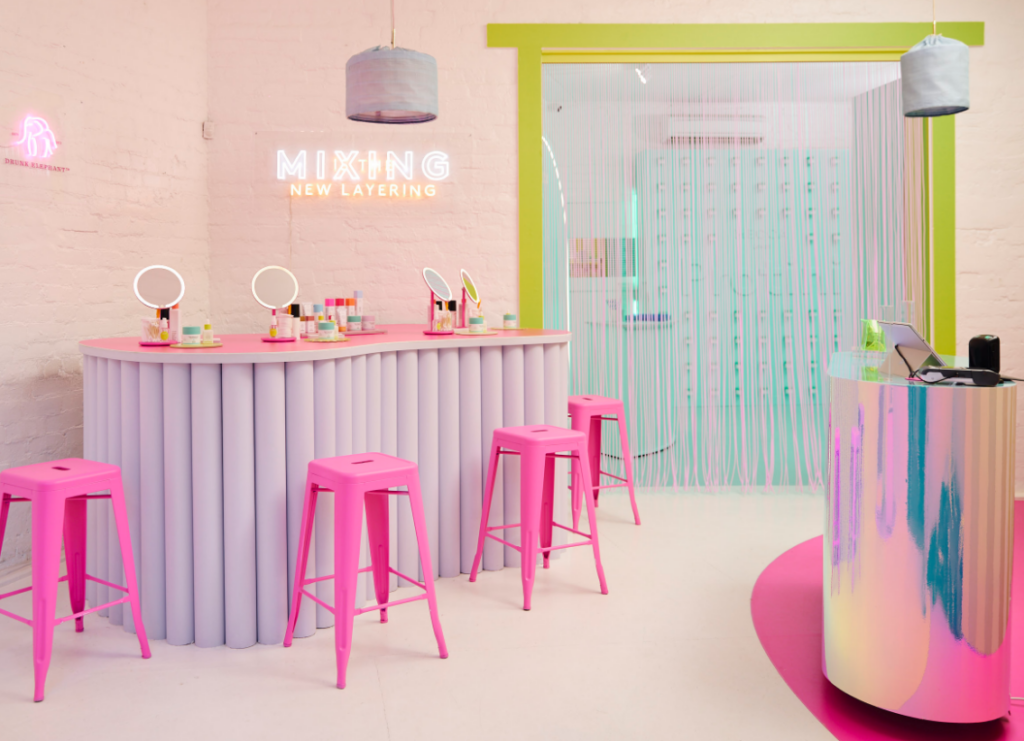
Australian retail is entering a new era shaped by technology, rising customer expectations and a renewed focus on sustainability. While e-commerce has become embedded in daily life, retail space continues to play a crucial role, especially as brands seek flexible and efficient ways to activate new markets. For retailers, landlords and developers, 2026 is about creating connected experiences and using retail space strategically to stay competitive. Platforms such as Spacenow reflect this shift, enabling brands to access retail space on flexible terms while landlords maximise utilisation across high-traffic locations.
A Decade of Change Has Reshaped Retail
Australian retail has changed more in the past ten years than in the previous four decades. Cost pressures, supply chain disruption and the rise of direct-to-consumer brands have pushed retailers to rethink how stores operate. Physical stores are no longer standalone. They are part of a wider ecosystem where digital channels, fulfilment and in-store experience work together.
This shift has created strong demand for retail space hire and short-term retail activation as brands test concepts, launch into new areas and operate with lower long-term risk.
Technology Now Drives Retail Performance
Modern retail depends on connected systems. Retailers are investing in:
• API based integrations
• Real-time stock visibility
• AI-powered forecasting
• Automation across logistics
These improvements reduce errors, improve delivery speed and support rapid activation for short-term hire spaces. Technology is now the foundation of operational resilience rather than a support feature.
E-Commerce Has Matured into a Connected Journey
Online shopping is now an expected part of the customer journey. Mobile transactions, social commerce and subscription models are becoming standard. The retailers performing best are those integrating online and in-store touchpoints through:
• Click and collect
• Ship from store
• Unified loyalty programmes
• Connected customer profiles
This blended approach pairs well with retail hire strategies, especially when brands want fast access to high traffic locations.

The New Australian Consumer: Selective and Informed
Australian shoppers are more thoughtful about how they spend. Three in four now browse across multiple channels before choosing a product. They expect:
• Speed and convenience
• Personalised but respectful interactions
• Transparent information
• Genuine sustainability commitment
Retailers using temporary retail space hire can engage high-intent customers in targeted, local environments while collecting insights that support longer-term planning.
Sustainability Is Now a Customer Expectation
More than sixty per cent of Australian shoppers prefer brands with visible sustainability practices. Top expectations include recyclable materials, ethical sourcing and carbon-conscious delivery.
Retailers are responding through:
• Sustainable packaging
• Energy-efficient stores
• Emissions tracking
• Responsible sourcing
These initiatives benefit both permanent stores and short-term retail activations, helping brands stand out in competitive precincts.
Cybersecurity: A Non-Negotiable Priority
With more digital transactions come higher risks. Customers expect brands to protect their data through strong authentication, encryption, secure APIs and real time monitoring. Trust influences both online conversions and in store purchasing behaviour.

Connected Retail Is the Future Operating Model
Retailers are shifting towards connected ecosystems where stock, logistics, online platforms and physical stores work together. This supports:
• Faster fulfilment
• Clearer stock forecasting
• Better marketing
• More efficient use of retail space
Many brands now use stores as mini fulfilment hubs, a model that can be strengthened through short-term hire during peak seasons or campaign periods.
Beyond 2025: The Rise of Experiential and Integrated Retail Space
The next phase of retail will blend digital insight with physical experience. AR previews, AI analytics and automated supply chains will make operations smarter and more responsive. Flexible formats, Pop ups and short-term retail activations will continue to help brands move quickly, test ideas and stay aligned with consumer demand.
Conclusion
Australian retail in 2026 is defined by connection, sustainability and customer intelligence. Retailers who embrace integration, prioritise transparency and use retail space hire to stay flexible will be best positioned for growth. Digital transformation is now a commercial necessity, and the strongest brands will be those who move decisively and meet customers wherever they choose to shop.