Retail Space Design Trends Shaping Melbourne Storefronts
4 mins
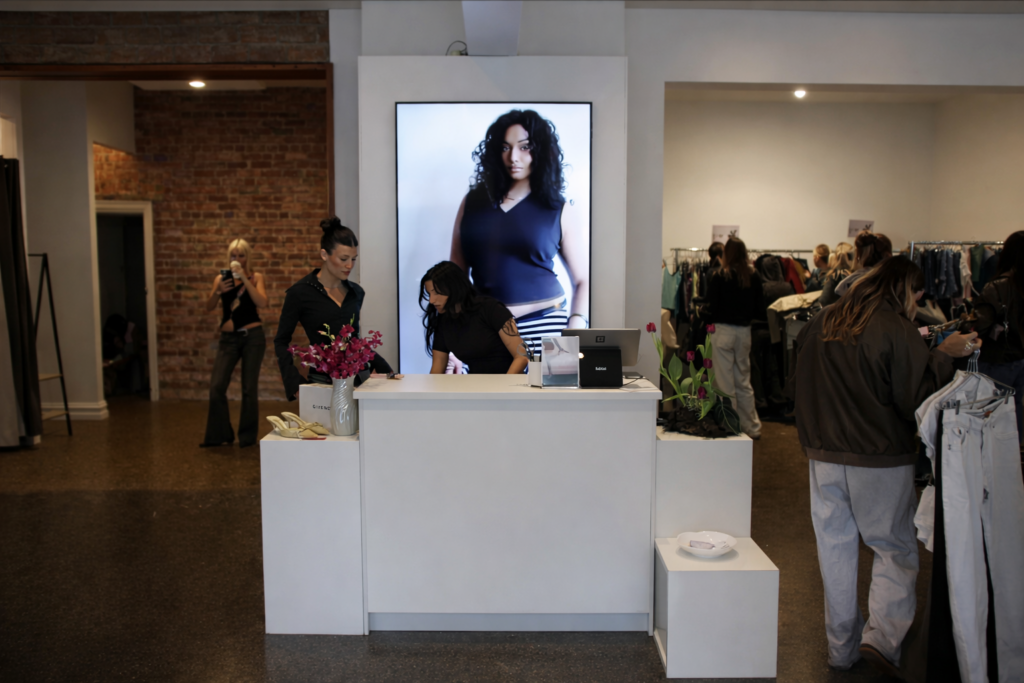
Retail space is no longer just a container for products.
In Melbourne, it is becoming part of the product itself.
As brands compete for attention in a saturated market, Melbourne retail space design has shifted toward clarity, flexibility, and purpose. The most effective storefronts are not the most elaborate. They are the most intentional.
Across CBD corridors and neighbourhood strips, four clear design trends are shaping how brands activate space in 2026.
1. Minimal Fit-Outs: Less Build, More Brand
Melbourne retailers are moving away from heavy, permanent construction.
Minimal fit-outs are becoming the dominant design language:
- Exposed ceilings
- Polished concrete floors
- Neutral palettes
- Modular shelving
- Movable display units
Why?
Because short-term hire and flexible retail demand agility. Brands want to move quickly, test ideas, and adjust layouts without sunk costs in fixed infrastructure.
A minimal base allows:
- Faster activation
- Lower fit-out investment
- Easier brand refreshes
- Cleaner product focus
The design doesn’t compete with the merchandise. It frames it.
This approach aligns particularly well with short-term retail activations where time-to-market matters more than architectural permanence.
2. Adaptive Reuse: Character Over Construction
Melbourne has a strong architectural identity — warehouses, heritage shopfronts, laneway spaces, industrial shells.
Rather than rebuilding, many brands are leaning into adaptive reuse.
According to projects featured on ArchDaily and Dezeen’s retail design coverage, global retail is increasingly celebrating original structure rather than concealing it. Melbourne reflects this trend strongly.
Exposed brick. Steel beams. Timber rafters. Large heritage windows.
Adaptive reuse delivers:
- Authenticity
- Storytelling through architecture
- Built-in visual interest
- Reduced construction waste
For brands, it creates an atmosphere that feels established rather than temporary — even in short-term hire environments.
Customers respond to spaces with texture and narrative. A reused industrial shell often performs better than a generic white box because it feels grounded in place.
3. Sustainability Integration: Design With Accountability
Sustainability is no longer a marketing angle. It is a design requirement.
In Melbourne retail space design, this translates to:
- Recyclable display systems
- Modular furniture that can be reused across locations
- Energy-efficient lighting
- Indoor greenery
- Low-impact materials
Short-term hire retail supports sustainability by nature. Instead of long-term structural overhauls, brands can activate existing spaces with lightweight, removable installations.
Consumers increasingly expect transparency in both product and physical footprint. Retail design is becoming an extension of brand values.
The message is subtle but visible:
This space was built thoughtfully.
4. Multi-Use Layouts: Retail + Experience
Retail footprints are shrinking — but functionality is expanding.
Melbourne storefronts are increasingly designed for multiple uses:
- Retail during peak hours
- Workshops after hours
- Product launches on weekends
- Community events
- Content creation shoots
Multi-use layouts prioritise:
- Open floor plans
- Flexible partitions
- Stackable furniture
- Integrated tech
- Clear sightlines
The goal is adaptability.
Brands want spaces that support sales and storytelling simultaneously. A layout that accommodates both browsing and gathering performs better than one built purely for shelving density.
In high-performing Melbourne retail locations, flexibility often correlates with stronger engagement and dwell time.
Why This Matters for Brands
Melbourne retail space design is becoming:
- Leaner
- More sustainable
- More adaptive
- More experience-driven
For brands considering short-term retail activation, this shift offers a clear advantage.
A six-month construction timeline is no longer necessary.
Permanent fixtures aren’t required.
Excess simply isn’t part of the model.
What you need is:
- Clarity of purpose
- Design flexibility
- A space that supports performance
At Spacenow, we see retail design as a strategic tool, not a decorative one. The right Melbourne retail space design enhances visibility, improves flow, and supports measurable outcomes — whether that is conversion, engagement, or brand positioning.
Because in 2026, the strongest storefronts are not the loudest.
They are the most intentional.