Retail Space in 2025: Ten Trends Shaping Retail Hire and Short-Term Retail
5 mins
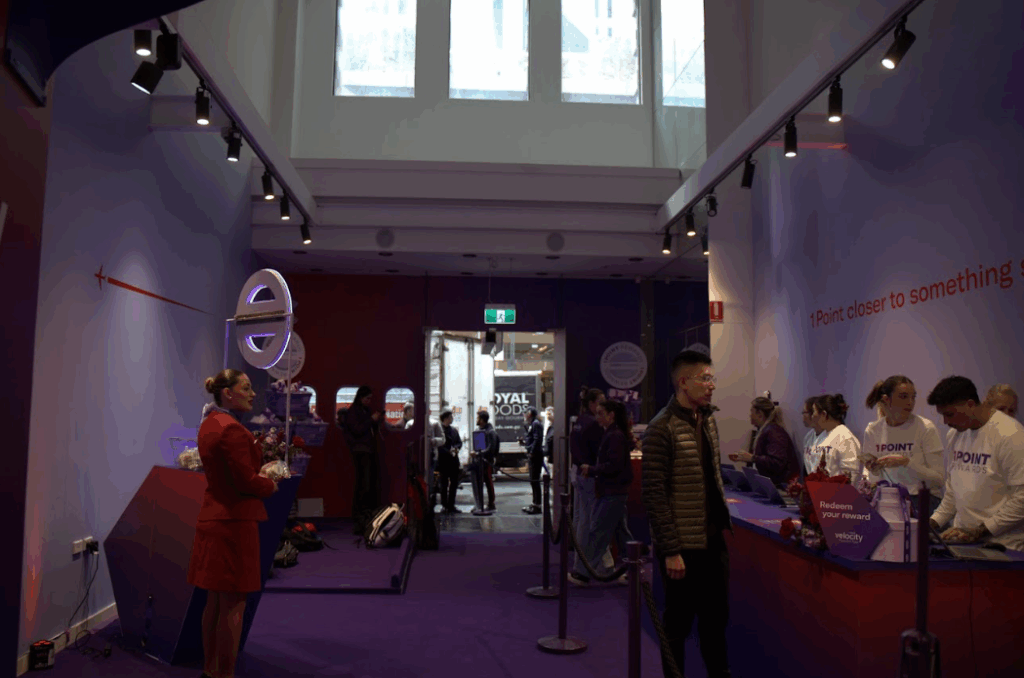
Retail in 2025 is moving at a pace that demands flexibility, sharper decision-making and a stronger connection between online and physical environments. Brands, landlords, and centre operators are rethinking how they utilise retail space and how short-term retail can support rapid testing, smarter customer engagement, and more resilient commercial outcomes. Below are the ten trends shaping the year ahead, along with their implications for anyone considering retail hire or short-term hiring.
1. Hybrid Shopping Is Reshaping Retail Space
Customers now navigate between online touchpoints and physical stores without hesitation. They might discover a product on social media, research it on a website and then visit a shop to try, collect or compare. This fluid behaviour increases the value of adaptable retail space, particularly pop ups and temporary formats that can appear quickly in high-demand areas. For many brands, retail space hire is now a strategic tool rather than a temporary fix.
2. Delivery, collection and returns must be seamless
Speed matters, but predictability matters more. Shoppers expect short, reliable delivery windows, real-time updates and straightforward returns. Centres that support click and collect, parcel hubs or small fulfilment zones give brands another reason to take up short-term retail. A well-positioned temporary location can reduce delivery costs, increase conversion and improve the overall experience.
3. AI informs practical retail decisions
Artificial intelligence is no longer theoretical. Retailers use it to forecast demand, optimise layouts, personalise offers and decide which locations deserve investment. When combined with footfall and behavioural data, AI can reveal which retail space is most likely to perform well and when short-term hire is the smarter option. For landlords, it supports better planning for activation zones and future tenancy mixes.
4. Retail media becomes a serious revenue channel
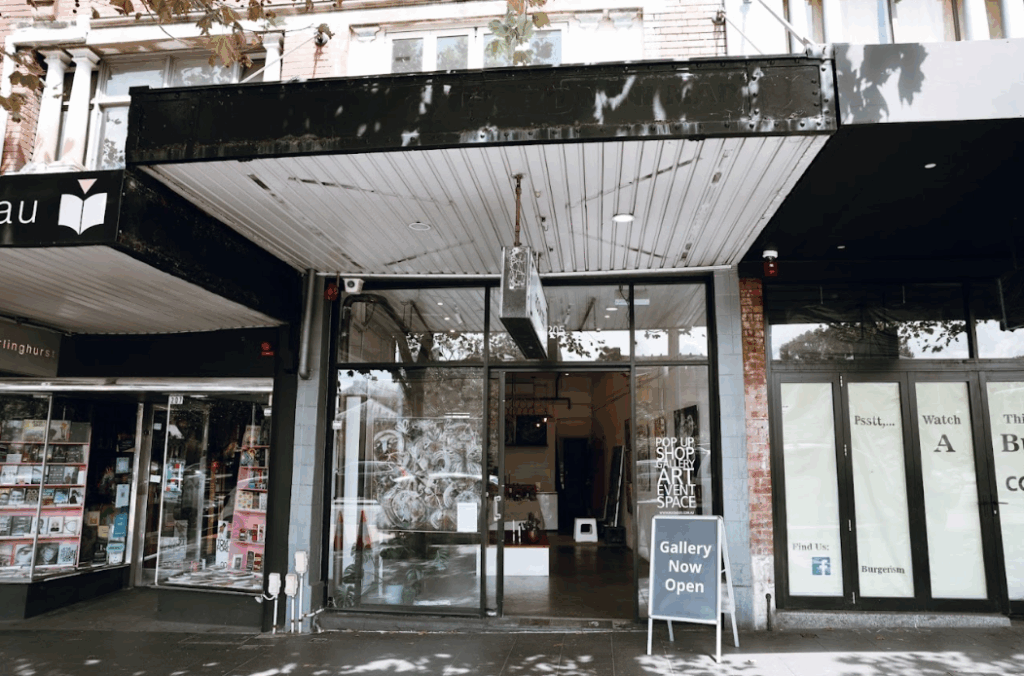
Retailers are turning websites, apps and digital screens into monetised advertising platforms. This gives brands the chance to pair a physical activation with targeted online visibility. Retail hire becomes more compelling when it can work as part of a broader campaign that blends digital placements with real-world engagement.
5. Inspiration-driven purchasing accelerates
More shoppers buy after being inspired, not after deliberate searching. Influencer content, livestreams and social discovery spark immediate interest, but customers still want somewhere to experience the product physically. Short-term retail is perfect for this, giving brands a rapid way to convert online momentum into in-person engagement.
6. Social commerce boosts local Pop up demand
As buying tools are embedded in social platforms, a post can transform into a sale instantly. A nearby pop up or temporary showroom strengthens customer confidence and reduces returns. Retail space hire helps brands create quick touchpoints that complement their social presence.
SpaceNow supports this demand by making it easier for brands to secure short-term retail space near their most engaged audiences, turning online interest into in-person conversion.
7. Faster fashion and category cycles demand flexibility
Some categories move at high speed, especially fashion, lifestyle and beauty. Rather than committing to long leases, many brands now test capsule collections or collaborations through short-term hire. This approach reduces risk and ensures the physical presence stays aligned with cultural trends.
8. In-store efficiency becomes a competitive advantage
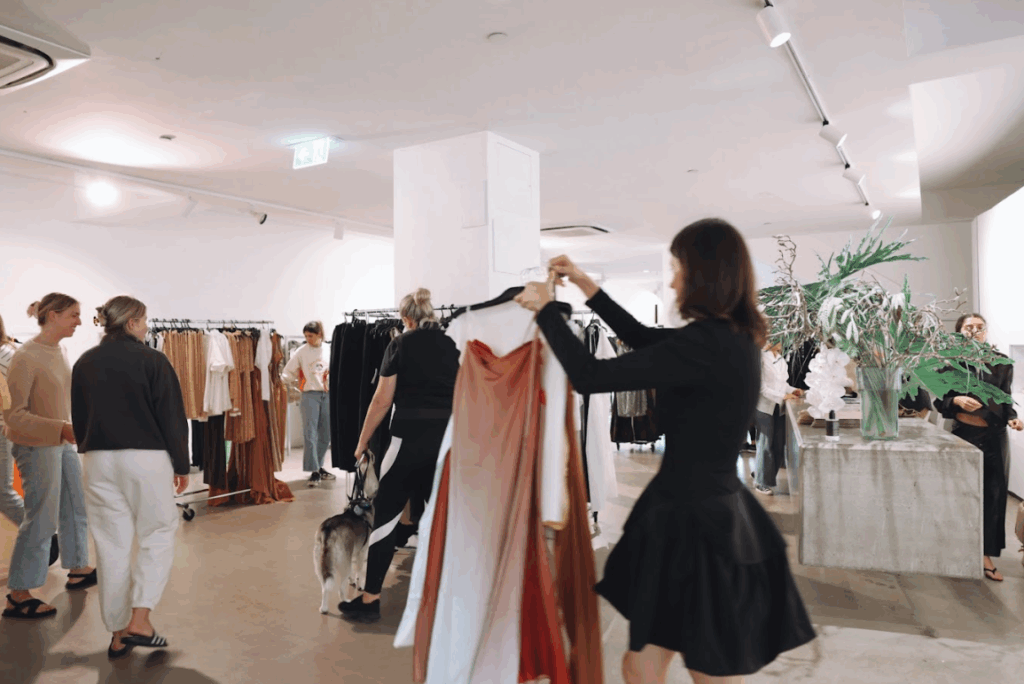
Shoppers reward stores that are tidy, intuitive and well-staffed. For centre operators, providing activation-ready retail space-spaces with reliable power, storage and clean layouts-helps brands deliver polished experiences quickly. Retail space hire should feel operationally simple and commercially low friction.
9. Sustainability remains important but must be pragmatic
Customers care about sustainability, though price sensitivity influences behaviour. Brands are using retail space hire to test sustainable concepts such as refill bars, repair workshops and circular product collections. Centres prioritising waste reduction and energy efficiency are more attractive to both tenants and shoppers.
10. Circular and second-hand retail gains momentum
Second-hand, vintage and authenticated resale are thriving categories. These businesses rely on flexibility and often prefer short-term retail to move between markets. For landlords, offering adaptable units and seasonal Pop up opportunities attracts diverse audiences and keeps footfall dynamic.
What These Trends Mean for Retail Space and Retail Hire
The consistent theme across all ten trends is agility. Retail space that can be reconfigured, leased short-term or used for activations allows brands and landlords to respond to cultural shifts, consumer demand and market uncertainty. Short-term hire reduces risk while supporting experimentation. Retail space hire provides access to premium locations without long commitments. Both are becoming essential tools in a modern commercial strategy.
Practical Moves for 2026
• Treat every Pop up or temporary shop as a data gathering opportunity
• Use short-term hire to test markets before committing to a permanent footprint
• Invest in simple technology that links online demand with in-store behaviour
• Curate a tenant mix that balances essentials with experience-driven concepts
• Offer clear, packaged retail hire options that make activation fast for brands
• Build sustainability into visible, customer-facing elements of the space