Retail Space ROI Metrics: Measuring Impact Beyond Sales
4 mins
Retail Space ROI Metrics Define True Performance
Retail space ROI metrics are essential for understanding the full impact of physical retail beyond immediate sales.
When brands invest in retail spaces, the first question is often:
“Did it generate enough sales?”
But in today’s retail environment, that question is too limited.
Pop ups and short-term activations are no longer just sales channels.
They are tools for marketing, brand-building, and customer acquisition.
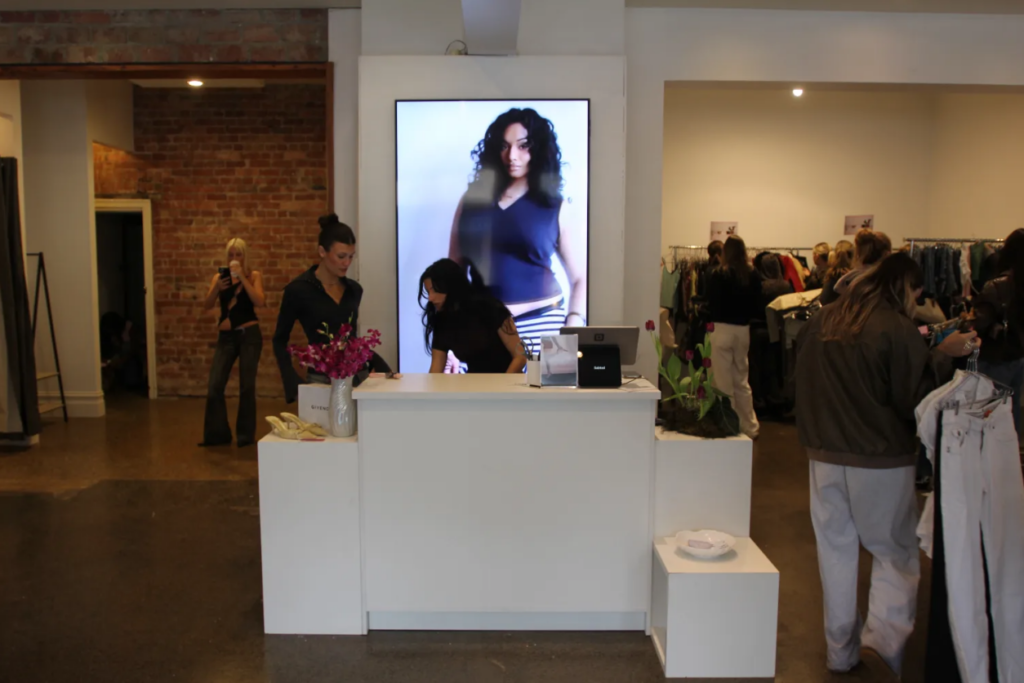
Why Retail Space ROI Metrics Go Beyond Sales
A Pop up may not deliver immediate high revenue - but still create significant long-term value.
For example, a single activation can:
- Introduce your brand to new audiences
- Generate social media exposure
- Build trust through in-person interaction
- Drive future online purchases
Focusing only on sales risks undervaluing the true impact.
The shift:
From transaction-based ROI → to experience-driven ROI.
What Retail Space ROI Metrics Measure in Pop ups
To evaluate performance properly, brands need to track both direct and indirect returns.
1. Brand Awareness and Reach
Physical retail creates visibility that digital channels often cannot replicate.
Track:
- Foot traffic
- Brand impressions
- Social media mentions and tags
- Reach from user-generated content
Why it matters:
Awareness is the starting point of the customer journey.
2. Customer Engagement
Engagement measures interaction - not just transactions.
Key indicators:
- Dwell time
- Product interaction
- Conversations with staff
- Participation in activations
Higher engagement often leads to stronger brand recall and future purchases.
3. Customer Acquisition and Data Capture
One of the most valuable outcomes is building a direct customer relationship.
Track:
- Email sign-ups
- Loyalty registrations
- Social follows
- QR code scans
These become long-term assets that reduce future acquisition costs and increase lifetime value.
The Importance of Post-Activation Impact
Retail ROI continues after the Pop up ends.
Measure:
- Increase in website traffic
- Growth in e-commerce sales
- Returning customers
- Engagement from captured leads
This is where physical and digital strategies connect.
Aligning ROI Metrics With Your Objectives
Different goals require different metrics.
- Brand awareness: impressions, reach, content creation
- Customer acquisition: sign-ups, follows, conversions
- Sales: revenue, conversion rates, average order value
Clarity ensures you measure what matters.
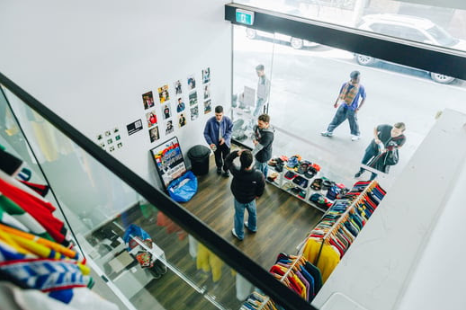
How Spacenow Supports ROI Optimisation
Spacenow’s flexible retail model enables brands to:
- Test multiple locations
- Compare performance across activations
- Refine strategies based on data
This allows brands to:
- Identify high-performing spaces
- Understand audience behaviour
- Optimise future campaigns
Building a Practical ROI Framework
To measure retail space ROI metrics effectively, combine:
1. Quantitative Metrics
- Foot traffic
- Sales revenue
- Email captures
- Conversion rates
2. Qualitative Insights
- Customer feedback
- Staff observations
- Common objections
3. Digital Impact
- Social engagement
- Website traffic
- Online sales uplift
Together, these provide a complete performance view.
Common Mistakes to Avoid
- Measuring too early
- Ignoring indirect value
- Treating Pop ups as isolated events
The real value comes from long-term impact and integration into your broader strategy.
Retail as a Growth Channel
Retail is no longer a standalone function.
A single Pop up can:
- Generate awareness
- Acquire customers
- Create content
- Drive future revenue
When measured correctly, its value extends far beyond the point of sale.
Final Thought
The question is no longer:
“Did the Pop up make money?”
It is:
“What did the Pop up build for the brand?”
With the right retail space ROI metrics, brands can:
- Understand performance clearly
- Make informed decisions
- Scale what works
And with flexible retail platforms like Spacenow, every activation becomes an opportunity to grow, learn, and build measurable impact.