Pop up Space Marketing Strategy for Social Growth
4 mins
Pop up Space Marketing Strategy Is Driving Social Media Growth
Pop up space marketing strategy is now essential for brands looking to turn physical retail into scalable digital reach.
In today’s retail landscape, a successful Pop up does not just attract foot traffic, it generates content.
The most effective brands are no longer asking:
“How many people visited?”
They are asking:
“How many people shared it?”
This shift requires a strategy built not only for in-store interaction, but for digital amplification.
Why Pop up Space Marketing Strategy Drives Shareability
Social media has changed how customers engage with physical spaces.
Today’s consumers:
- Document experiences in real time
- Share visually appealing environments
- Influence others through content
A well-designed Pop up can:
- Extend reach beyond its physical location
- Generate organic impressions
- Reduce reliance on paid marketing
Every visitor becomes a potential brand ambassador.
From Store Design to Content Design
Traditional retail design focused on:
- Layout efficiency
- Product placement
- Sales flow
Modern Pop ups prioritise:
- Visual storytelling
- Interactive moments
- Shareable aesthetics
The objective is clear:
Design spaces people want to photograph and share.
5 Elements of a High-Impact Pop up Space Marketing Strategy
1. A Clear Visual Identity
Your Pop up should be instantly recognisable.
This includes:
- Cohesive colour palette
- Strong brand visuals
- Distinct design elements
Consistency ensures your brand stands out across user-generated content.
2. Purposeful “Instagrammable” Moments
Not every aesthetic corner drives results.
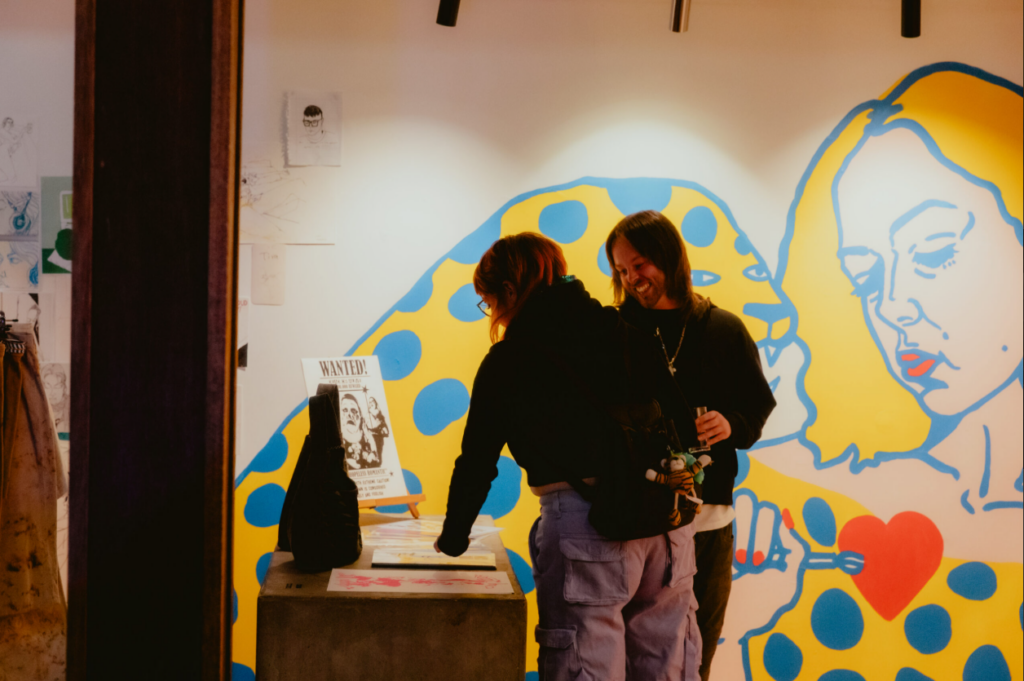
High-performing Pop ups create intentional photo zones:
- Feature walls
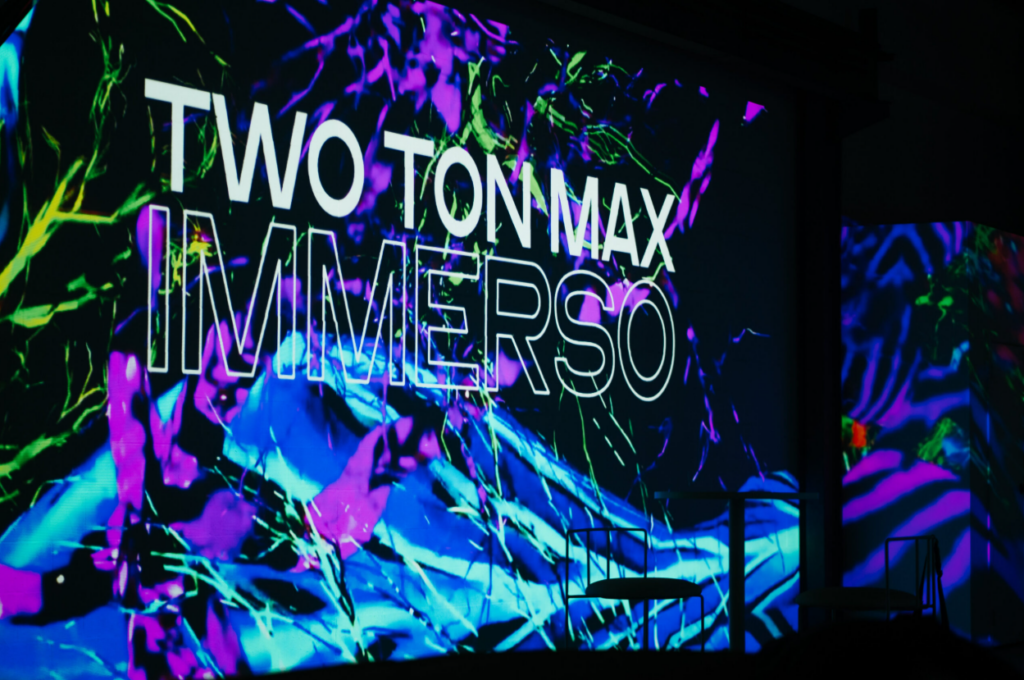
- Branded installations
- Statement props
The goal:
Make content easy to capture and clearly branded.
3. Lighting Optimised for Content
Lighting directly impacts shareability.
Focus on:
- Natural light where possible
- Soft, even artificial lighting
- Avoiding harsh shadows
If content looks good on a phone camera, it is more likely to be shared.
4. Interactive Experiences
Static displays limit engagement.
Instead, create:
- Try-before-you-buy stations
- Customisation areas
- Live demonstrations
Interaction increases dwell time and encourages content creation.
5. Built-In UGC Triggers
Encourage sharing intentionally.
Use:
- Visible social handles
- Branded hashtags
- Incentives for posting
Make it easy for customers to tag, share, and engage.
How Pop up Space Marketing Strategy Turns Foot Traffic Into Reach
A well-executed Pop up extends beyond the physical space.
It creates a multiplier effect:
- One visitor shares → new audiences discover the brand
- Multiple shares → visibility compounds
- Content continues circulating after the activation ends
This transforms your Pop up into a scalable marketing channel.
Location Still Influences Shareability
Even highly visual Pop ups require the right environment.
Effective locations offer:
- High dwell time
- Strong audience alignment
- Visually appealing surroundings
Examples include:
- Lifestyle precincts
- Creative hubs
- Premium shopping districts
The right location enhances both physical experience and digital output.
How Spacenow Supports Pop up Space Marketing Strategy
Spacenow provides access to spaces designed for activation, not just occupancy.
Brands can:
- Select locations aligned with their audience
- Test different visual concepts
- Launch short-term activations
This flexibility allows brands to refine and scale strategies that drive engagement.
Measuring Success Beyond Likes
Social metrics are only part of the picture.
Track:
- Number of user-generated posts
- Reach and impressions
- Engagement rates
- Follower growth
- Website traffic
The goal is not just visibility but sustained brand growth.
Designing With Intent
High-performing Pop ups are not accidental.
They are:
- Strategically designed
- Audience-focused
- Content-driven
Every detail should answer one question:
Would someone share this?
Final Thought
In today’s retail environment, attention is currency.
Pop up spaces offer a unique advantage:
They exist physically but scale digitally.
With a strong Pop up space marketing strategy, brands can:
- Turn visitors into creators
- Turn experiences into content
- Turn moments into momentum
And with flexible retail platforms like Spacenow, these experiences are easier to execute than ever.
Because the most powerful marketing is not always paid.
Sometimes, it is simply worth sharing.