Retail Space in 2026: Key Trends Shaping Flexible Leasing
4 mins
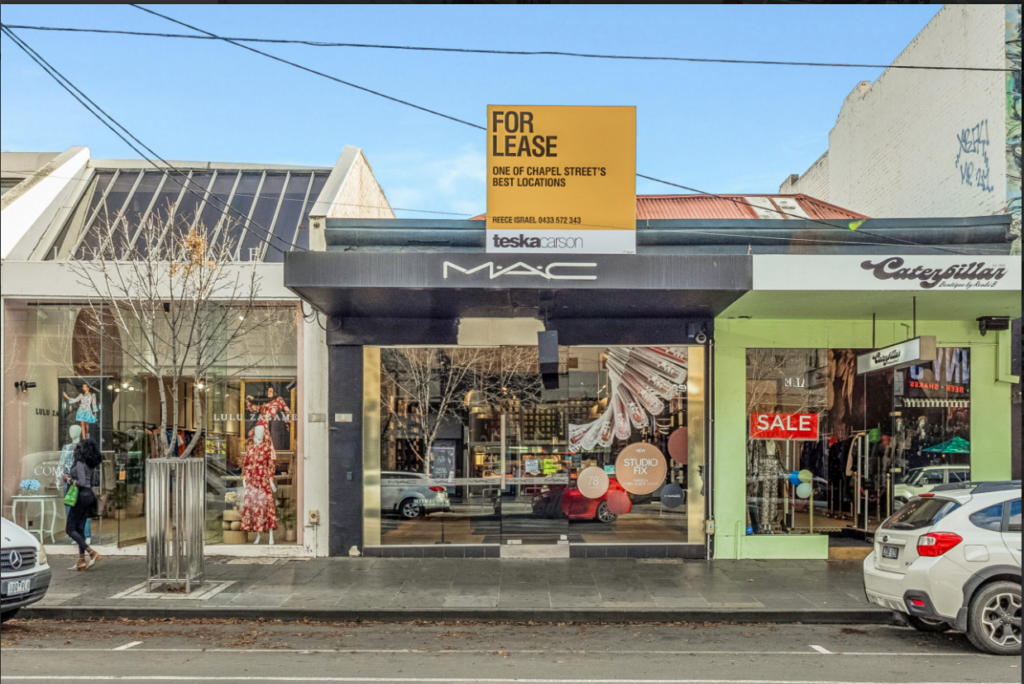
Retail space in 2026 is changing quickly as technology, economic pressure and new consumer expectations reshape how landlords and brands use physical environments. Rather than signalling a decline in physical retail, these shifts are creating strong opportunities for flexible leasing, smarter activations and more responsive asset planning. Below is a concise guide to the key trends and how they affect retail space, retail hire and short-term hire.
Mixed-use developments are becoming the standard
Modern precincts now combine retail, living, leisure and workspace in one connected environment. These locations attract steady footfall and create greater value per square metre. Brands use retail hire and retail space hire within these precincts to test markets before committing to a long tenancy. For operators, short-term hire provides agility when occupancy needs change.
Smaller formats and pop-ups are delivering stronger returns
Retailers are shifting to compact, efficient formats that increase sales density and reduce operating costs. Short-term retail and pop-up concepts allow brands to trial product ideas, launch collections and engage local audiences with minimal commitment. For landlords, activation-ready retail space keeps centres fresh and strengthens the tenant mix.
Technology is transforming property decisions
Analytics and smart building tools now inform how retail space is used. Footfall data, dwell time insights and movement patterns help identify the strongest areas for retail space hire. Digital integration also supports services such as click and collect and micro fulfilment, making adaptable retail space more valuable.

Sustainability is a commercial expectation
Energy efficient upgrades, waste reduction and green certifications influence both investor demand and customer behaviour. Many brands prefer to trade in centres that show visible commitment to sustainability. Short term hire provides a way to test circular concepts such as resale markets or low impact pop ups before expanding.
Flexible leasing models are growing across the market
Shorter agreements, revenue share and clear retail hire packages are replacing traditional long leases. Operators are using these options to fill space faster and support brands that want to move quickly. For tenants, short-term retail offers a lower-risk entry point into competitive markets.
Experience and convenience drive footfall
Consumers want both memorable experiences and practical services. Centres that pair everyday essentials with experiential attractions outperform standard retail strips. Brands use short term hire to respond to trends and launch experience led activations without long term commitment. For landlords, rotating pop-ups keeps visitors returning.
Investment strategies are shifting
With higher construction costs and limited new supply, investors are favouring adaptive reuse, smaller footprints and mixed-use projects. Assets that allow flexible retail space hire and short term hire are more attractive because they can respond to market changes quickly and keep occupancy levels stable.
Risk must be managed with data and diversified tenants
Operators face rising capital costs and regulatory pressure. Mitigation strategies include diversifying the tenant mix, offering adaptable leasing options, investing in basic analytics and choosing well connected locations with predictable footfall.

Practical steps for property owners and brands
• Identify locations suitable for short-term retail or retail space hire
• Create simple retail hire packages with transparent pricing
• Use pop-ups to test formats and gather local insights
• Invest in analytics to track performance
• Prioritise sustainability improvements that lower operating costs
Final thoughts
Retail real estate in 2026 is defined by flexibility, experience and data-led decision-making. The assets that thrive will be those that support experimentation, offer adaptable retail space and create reasons for people to visit. Retail hire and short-term hire give brands and landlords the agility they need to stay relevant.
Spacenow can help you find the right retail space and manage activations with confidence. If you are ready to explore available options or launch a short-term retail activation, our team is here to support your next move.