The Role of Data in Choosing a Pop up Retail Location (Not Just Foot Traffic)
5 mins
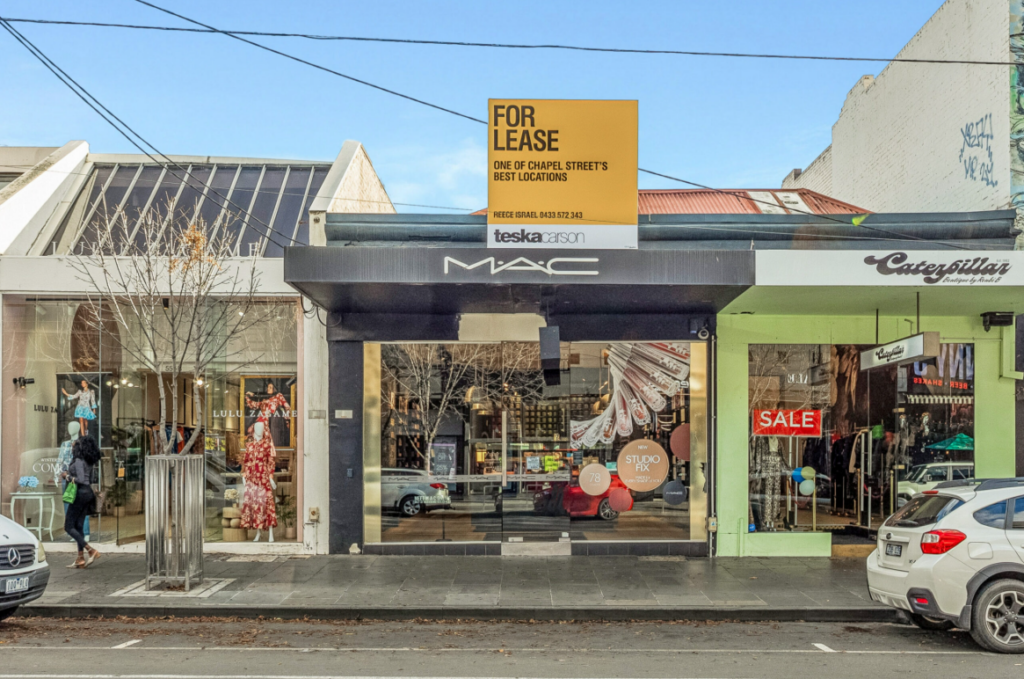
Pop up Retail Location Strategy: Beyond Foot Traffic
When it comes to launching a successful Pop up, most founders default to one idea: “pick a busy area.”
But in today’s retail landscape, that’s no longer enough.
The most effective Pop up retail strategies are not built on assumptions, they’re built on data, behaviour, and precision targeting. Insights from Google’s Think with Google research show that modern consumers move fluidly between digital and physical spaces, leaving behind valuable signals brands can use to make smarter location decisions.
For brands working with flexible retail space, this opens up a major advantage: you’re not locked into a lease, you can test, refine, and optimise your location strategy in real time.
Why “High Foot Traffic” Is No Longer Enough
Foot traffic still matters, but not all traffic is equal.
A crowded location doesn’t guarantee:
- The right audience
- Purchase intent
- Brand alignment
For example, a high-traffic tourist strip may generate volume but low conversion, while a niche lifestyle precinct may attract fewer people, but higher-quality buyers.
The shift:
From volume-based thinking - to intent and relevance-driven strategy
The New Foundation: Data-Led Location Decisions
Modern Pop up retail success comes from combining three key data layers:
1. Audience Demographics
Understanding who is in the area is just as important as how many.
Key questions:
- What is the age range and income level?
- Are they locals, tourists, or office workers?
- What are their spending behaviours?
Example:
A wellness brand may perform better in a health-conscious suburb than in a busy CBD with mismatched demographics.
2. Behavioural Insights
According to Think with Google, consumers often:
- Discover brands online
- Research before visiting
- Expect seamless online-to-offline experiences
This means your Pop up should be placed where digitally engaged audiences already spend time offline.
Look for:
- Areas with strong mobile activity
- High engagement with similar brands online
- Communities that align with your product category
3. Heatmaps & Movement Patterns
Heatmaps go beyond static foot traffic, they show how people actually move through a space.
This helps answer:
- Where do people naturally stop vs pass through?
- Which zones have dwell time vs quick flow?
- Where are attention hotspots?
Why it matters:
A slightly less busy corner with high dwell time can outperform a main corridor where people don’t stop.
Strategic Location Types for Pop ups
Instead of chasing the “busiest” location, consider strategic alignment:
Lifestyle Precincts
Perfect for:
- Fashion, wellness, boutique brands
- Experience-driven activations
Why it works:
Customers are already in a discovery mindset.
Shopping Centres (Zoned Placement Matters)
Not all mall spaces are equal.
High-performing zones:
- Near anchor tenants
- Close to entrances
- Adjacent to complementary brands
Avoid:
- Transitional corridors with low engagement
Event-Based Locations
Ideal for:
- Short-term activations
- Product launches
- Brand awareness campaigns
Think:
- Markets
- Festivals
- Community events
These bring pre-qualified audiences with shared interests.
Urban High Streets
Best for:
- Brand visibility
- Walk-in discovery
- Social media exposure
But success depends on:
- Matching the street’s audience profile
- Timing (weekday vs weekend dynamics)
How Spacenow Supports Smarter Location Strategy
At Spacenow, the focus isn’t just on listing spaces, it’s about helping brands activate in the right environments.
Through flexible retail space hire, brands can:
- Test multiple locations without long-term risk
- Compare performance across different demographics
- Adapt quickly based on real-world insights
This allows founders to move from:
“Where is busy?”
to
“Where will my brand perform best?”
Turning Insights Into Action
Before locking in your next Pop up, refine your location strategy with these steps:
1. Define your ideal customer
Be specific, demographics, behaviours, and intent.
2. Analyse the environment
Look beyond traffic, assess relevance and alignment.
3. Use data where possible
Leverage:
- Social insights
- Google trends and mobility data
- Local retail performance indicators
4. Test and iterate
Start small, measure performance, and optimise.
The Future of Pop up Retail Is Precision
Pop up retail is no longer just about showing up, it’s about showing up in the right place, at the right time, for the right audience.
Brands that win are those that combine:
- Digital intelligence
- Real-world testing
- Strategic location planning
With the flexibility of modern retail space hire, you’re not guessing anymore, you’re building a repeatable, data-driven growth strategy.
Final Thought
The most successful Pop ups don’t rely on luck or foot traffic alone.
They’re placed with intent.
And in a world where consumer behaviour is more trackable than ever, your location strategy can, and should, be just as smart as your marketing.