7 Types of Pop up Retail Store Formats You Can Try
4 mins

Pop up retail is no longer a single format. As brands become more intentional about how they use physical space, Pop ups have evolved into a range of distinct formats, each serving a different commercial purpose.
Choosing the right format isn’t about what looks impressive. It’s about how the retail space supports your goal, timeline, and audience. Below are seven common Pop up store formats brands use today, and what each is best suited for.
1. Store-Within-a-Store Pop ups
This format places your brand inside an existing retailer, café, or concept store.
Best for:
- First-time Pop up retail
- Short-term hire with minimal setup
- Brands targeting a very specific customer profile
Because the host store already attracts foot traffic, this format reduces risk and speeds up launch.
2. Kiosks and Booth-Style Pop ups
Kiosks and booths are typically located in shopping centres, markets, or transport hubs.
Best for:
- Sales-driven activations
- Sampling and discovery
- Ecommerce brands testing physical retail
These spaces work well when visibility and volume matter more than immersion.
3. Event and Gallery Pop up Spaces
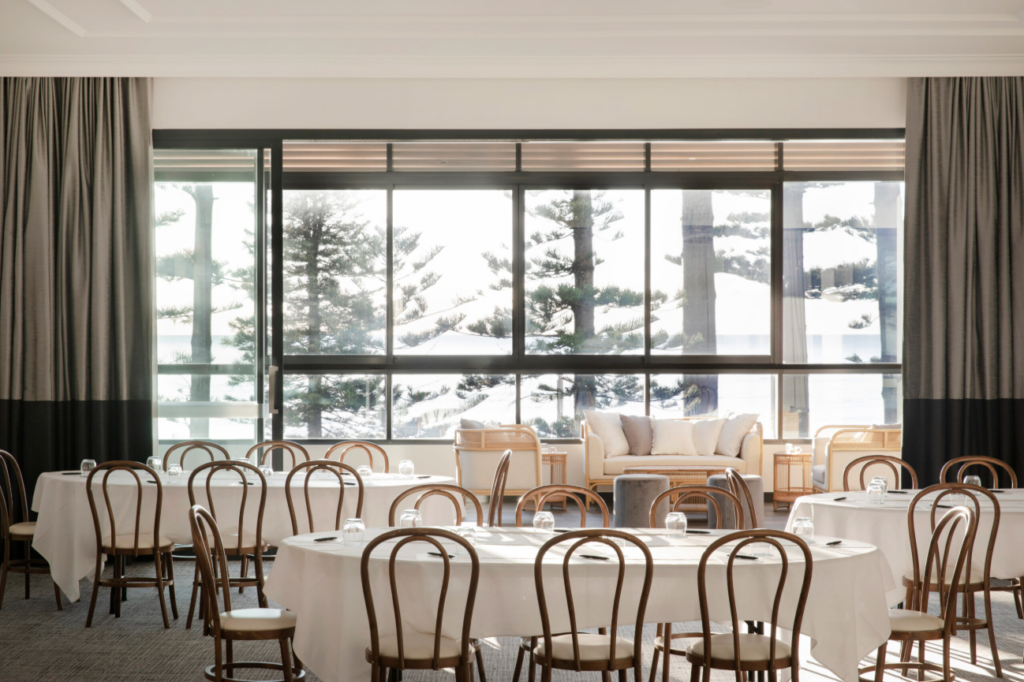
Event venues, studios, and galleries are often used as rotating Pop up retail locations.
Best for:
- Experiential Pop up retail
- Product launches and brand moments
- Press, influencer, or community events
The flexibility of these spaces makes them ideal for brands that want control without a permanent lease.
4. In-Line Shopping Centre Stores
In-line stores sit along main shopping centre corridors and operate like traditional stores on a short-term basis.
Best for:
- Multi-week or multi-month Pop ups
- Brands testing mall performance
- Retailers seeking high foot traffic with structure
Shopping centres are already set up for short-term hire, making this format operationally efficient.
5. Street-Level Storefront Pop ups
Street-facing retail spaces offer the highest level of visibility and creative control.
Best for:
- Brand storytelling
- High-impact launches
- PR-led activations
This format suits brands that want their Pop up retail to feel like a destination, not a stopover.
6. Mobile Pop up Retail
Mobile Pop ups operate out of vans, trucks, or temporary outdoor setups.
Best for:
- Event-based activations
- Hyper-local engagement
- Brands that need flexibility across locations
Mobile formats prioritise reach and movement over permanence.
7. Shared or Collaborative Pop ups
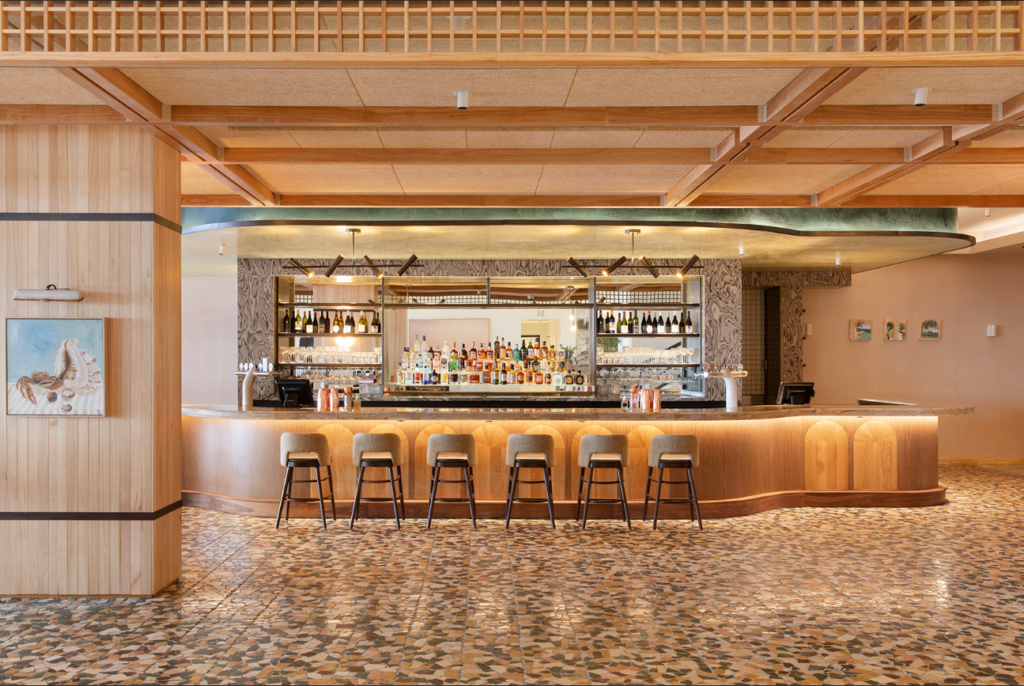
Multiple brands share a single retail space under one concept or theme.
Best for:
- Cost-sharing via short-term hire
- Audience crossover
- Community-led or local brand activations
When done well, shared Pop up retail increases dwell time and broadens appeal without overcrowding the space.
How to Think About Format Selection
Rather than asking “Which Pop up should we run?”, brands that get the most out of short-term hire ask:
- What decision are we trying to make?
- What does success look like after the Pop up ends?
- How long do we realistically need the space for?
Format follows function. Retail space should support the outcome, not dictate it.
Why Format Choice Matters More Than Ever
As Pop up retail becomes a standard part of growth strategy, the difference between a strong activation and an expensive experiment often comes down to format.
The right format:
- Reduces operational friction
- Improves customer experience
- Produces clearer performance insight
This is why brands are becoming more deliberate about how they use short-term hire.
At Spacenow, brands explore Pop up retail formats that align with their goals, timelines, and audiences, from kiosks and shared Pop ups to full street-level activations.
Retail space works best when the format fits the strategy.