Short-Term Space for Wholesale Brands | Spacenow
4 mins
How wholesale brands use short-term space
If you're a wholesale brand planning buyer appointments, collection launches or seasonal selling periods, wholesale showroom hire Australia can give you a physical space without committing to a permanent showroom. This guide looks at when to use short-term space, what buyers need from the room, and how to choose a location that works for your trade calendar.
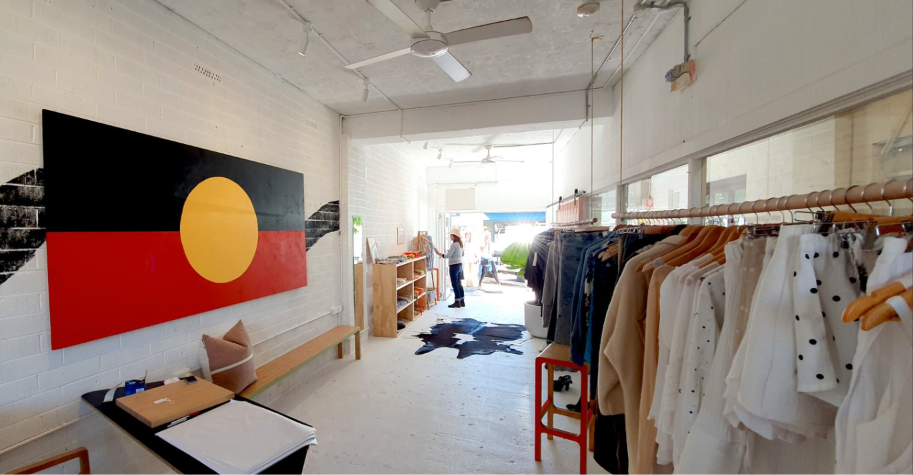
The trade calendar
For a wholesale brand, wholesale showroom hire Australia can be less about general foot traffic and more about being available when buyers are making decisions.
The wholesale calendar often works around seasons, collections and buying periods.
That means the timing of your showroom can matter as much as the space itself.
Start with the dates that matter to your business.
Then work backwards.
Consider:
- Collection launches
- Buyer appointments
- Trade events
- Delivery windows
- Seasonal buying periods
- Internal sales deadlines
- Production timelines
If buyers need to see a collection before placing orders, your showroom needs to be ready before that decision point.
A short-term space can be useful when you need a physical environment for a defined period rather than maintaining a permanent showroom.
You can explore retail and shop spaces on Spacenow when considering temporary options.
What buyers need in a room
A wholesale showroom needs to work for the buyer, not just photograph well.
Consider how buyers will actually use the room.
They may need:
- Enough space to browse the collection
- Product information
- Seating
- Tables or display surfaces
- Storage
- Samples
- Lighting
- Privacy
- Reliable access
- Somewhere to discuss orders
The layout should make the collection easy to understand.
Avoid filling the room simply because you have products to display.
A buyer needs to compare, discuss and make decisions without constantly moving around fixtures.
The space should also allow your sales team to move naturally between different buyers if appointments overlap.
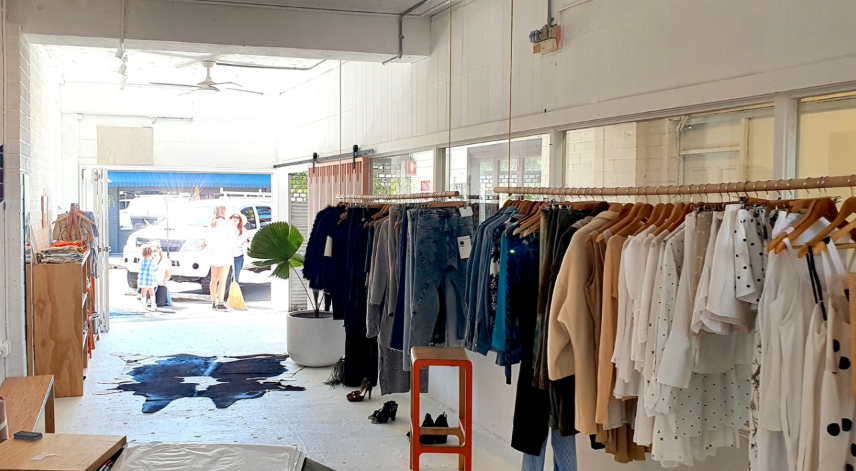
Combining a trade day with a consumer weekend
A short-term space does not necessarily have to serve only one audience.
A brand could potentially use the same space for wholesale appointments during the week and a consumer-facing activation afterwards.
The two experiences need to be planned separately.
Wholesale appointments may require:
- More privacy
- Product depth
- Order discussions
- Scheduled meetings
Consumer trading may require:
- Walk-in access
- Clear pricing
- Customer flow
- Product displays
- More visible branding
If you combine both, design the space so it can change without requiring a complete rebuild.
Make the transition between the two audiences part of the run sheet.
Choosing a location buyers will travel to
A wholesale showroom does not necessarily need to be in the busiest consumer retail strip.
The right location depends on where your buyers are coming from and what makes the trip worthwhile.
Consider:
- Transport access
- Parking
- Distance from buyer clusters
- Ease of finding the venue
- Nearby hospitality
- Privacy
- Space quality
- Appointment scheduling
If buyers are travelling specifically to see your collection, a destination location can work when the experience justifies the journey.
But do not make assumptions about what buyers will tolerate.
Ask your existing buyers where they prefer to meet and how far they are prepared to travel.
For more flexible space options, Spacenow's Concierge service can help you communicate your requirements when comparing spaces.
FAQ
What do buyers expect from a showroom?
Buyers generally need a space where they can view the collection comfortably, compare products, ask questions and discuss orders. The exact requirements depend on the category and how the buying process works.
When are the main buying seasons?
Buying seasons vary by product category, market and business model. Rather than relying on one universal calendar, work backwards from when your buyers need to see the collection and when orders need to be placed.
Wholesale space works when the room supports the buying process.
Start with the trade calendar, build the room around how buyers actually work and choose a location that makes sense for the people you need to bring through the door.