How Pop up Spaces Help Brands Enter Competitive Retail Districts
4 mins
Entering a busy retail district can be challenging for emerging brands. High rents and long lease commitments often make it difficult to secure prime locations. This is where Pop up space provides a flexible solution for brands entering competitive retail districts.
For many brands, committing to a long-term lease before understanding how a market will perform carries significant financial risk.
This is where Pop up space offers a practical advantage. Instead of committing to permanent retail, brands can launch short-term activations in high-traffic locations to test demand, build awareness, and connect with customers.
Research from CBRE highlights how retailers are increasingly exploring flexible store formats to enter competitive urban markets, while insights from PwC show that temporary retail activations are becoming an important part of modern retail strategy.
For brands looking to expand into competitive retail districts, Pop up spaces offer a strategic entry point without the long-term risk.
Why Competitive Retail Districts Are Difficult to Enter
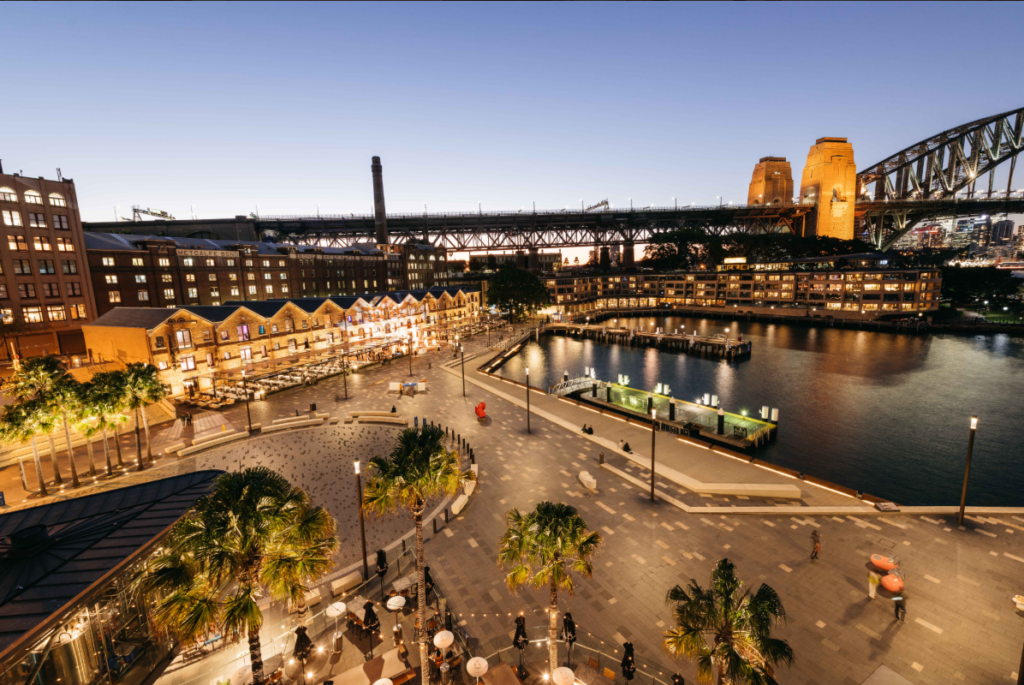
Prime retail locations whether high streets, shopping centres, or lifestyle precincts are highly sought after.
These areas typically offer:
- High foot traffic
- Strong brand visibility
- Consistent customer flow
- Proximity to complementary retailers
However, securing space in these locations often requires long-term commitments and significant upfront investment.
For smaller or emerging brands, this can make entry difficult. Without clear data about customer demand in a specific district, committing to a permanent store may be premature.
Pop up spaces allow brands to enter these locations with far greater flexibility.
Pop up Space as a Market Testing Strategy
One of the biggest advantages of using Pop up space is the ability to test a market before making long-term decisions.
A temporary activation allows brands to gather real-world insights, including:
- Customer demographics in the area
- Product demand and pricing acceptance
- Foot traffic patterns
- Customer engagement and feedback
Unlike online data, physical retail environments reveal how customers interact with products in person.
These insights help brands decide whether a retail district is suitable for future expansion.
Building Brand Visibility in High-Traffic Areas
Competitive retail districts attract large volumes of shoppers, tourists, and local consumers.
Launching a Pop up space in these areas allows brands to gain immediate visibility without the commitment of a permanent store.
A well-executed Pop up activation can:
- Introduce the brand to new audiences
- Generate social media engagement
- Encourage word-of-mouth marketing
- Drive immediate product discovery
Temporary retail environments also create a sense of novelty and urgency, which often attracts curious shoppers who may not have encountered the brand otherwise.
Lower Risk, Greater Flexibility
Long-term retail leases can require years of commitment, significant setup costs, and extensive operational planning.
Pop up spaces offer a more flexible alternative.
Brands can activate retail space for:
- a few days
- several weeks
- seasonal campaigns
This flexibility allows businesses to adapt quickly. If a location performs well, the activation can be extended or repeated in the future. If results are less favourable, the brand can explore other districts without being tied to a long lease.
According to research from CBRE, retailers are increasingly using temporary formats to experiment with location strategies before committing to permanent retail footprints.
A Strategic Step Toward Permanent Retail
For many brands, Pop up spaces are not the end goal but rather a stepping stone toward long-term retail expansion.
A successful Pop up activation can provide valuable indicators such as:
- consistent foot traffic engagement
- strong sales performance
- repeat customer interest
These insights help brands make more informed decisions about where to open permanent stores.
Instead of relying on assumptions, businesses gain direct market validation.
Why Pop up Spaces Fit Modern Retail Strategy
Retail is evolving toward more agile, data-informed growth models. Brands no longer need to rely solely on long-term leases to establish a physical presence.
Pop up spaces offer an alternative that supports:
- market experimentation
- brand discovery
- customer engagement
- strategic expansion planning
For businesses looking to enter competitive retail districts, this approach provides the flexibility to explore opportunities without excessive financial risk.
As retail continues to evolve, Pop up space is becoming an increasingly valuable tool for brands seeking to establish presence, test markets, and grow strategically in high-demand locations.