Showroom vs Retail Shop | Spacenow
4 mins
Showroom or shop: which one suits your brand
If you're comparing showroom vs retail space, the right choice depends on how customers are expected to interact with your brand. This guide explains the key differences between the two formats, what your space needs to support each one, and when combining a showroom with a retail environment could make sense.
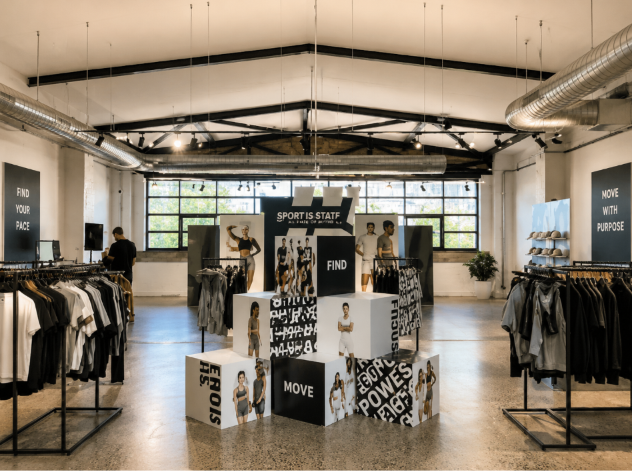
What a showroom is for
The difference in showroom vs retail space starts with what you want the customer to do.
A retail shop is built around browsing and buying.
A showroom can be built around discovery, consultation, fitting, demonstration or appointment-led selling.
The showroom does not necessarily need to operate like a conventional shop.
Customers may arrive because they have booked a time rather than because they happened to walk past.
That changes what matters in the space.
You may care more about:
- Privacy
- Presentation
- Seating
- Product demonstration
- Consultation space
- Storage
- A considered customer journey
If your goal is to create an environment where customers spend time with the product rather than browse quickly, a showroom format may be more appropriate.
You can compare retail and shop spaces on Spacenow and assess which type of environment better suits your customer journey.
What changes about the space you need
A shop needs to make the walk-in experience work.
That means the frontage, entrance, visibility and customer flow can be important.
A showroom can be more flexible.
If most customers arrive by appointment, you may not need the same level of street visibility.
Instead, consider:
- Where customers wait
- Where consultations happen
- How products are displayed
- How much privacy you need
- Whether customers need to try products
- Where staff can prepare between appointments
- How much storage you need
The space should support the reason someone is visiting.
A showroom with a beautiful interior but nowhere for customers to sit and discuss the product may not work as well as a simpler space designed around the appointment.
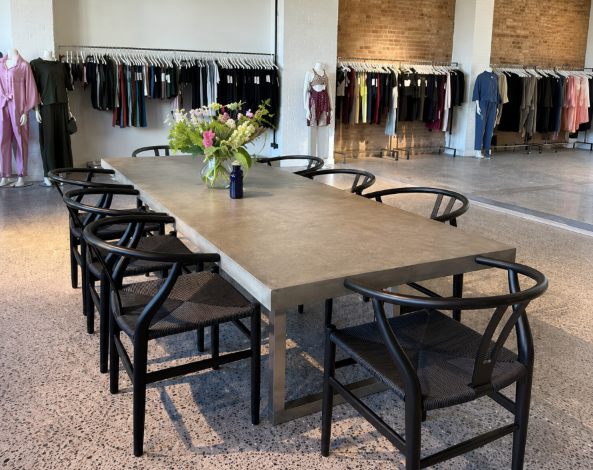
Appointment-only trading
Appointment trading changes the rhythm of the space.
Instead of planning around continuous customer traffic, you can plan around scheduled visits.
That can make it easier to control:
- Customer numbers
- Staff availability
- Product demonstrations
- Consultations
- Fitting sessions
- Preparation between visits
It can also make location less straightforward.
If customers are deliberately travelling to the space, they may care more about ease of access and the quality of the experience than being on the busiest retail strip.
Make the booking process clear and give customers the information they need before they arrive.
For more ideas about temporary retail environments, see pop-up retail space.
When brands run both
You do not necessarily have to choose one format permanently.
Some brands can use a showroom for appointments and a shop or pop-up for broader customer access.
The two formats can serve different purposes.
For example:
Showroom
- Private appointments
- Product discovery
- Wholesale meetings
- Consultations
- Fittings
Shop
- Walk-in customers
- Broader product discovery
- Immediate purchases
- Campaign visibility
- Public-facing activations
Running both can make sense when the customer journey genuinely requires both.
The important thing is not to duplicate the same experience twice.
Give each space a clear job.
FAQ
Do I need a street front for a showroom?
Not necessarily. If customers are visiting by appointment, accessibility, presentation and the quality of the experience may matter more than high street visibility.
Can I take appointments and walk-ins?
Yes, a space can potentially support both, but the layout and staffing need to accommodate both customer journeys. Make sure appointment customers can receive a considered experience without disrupting walk-in traffic.
A showroom sells the appointment. A shop sells the walk-in.
Once you understand that distinction, it becomes much easier to choose a space based on how customers will actually use it rather than simply choosing the most obvious retail format.