Stock Planning for a Short Retail Run | Spacenow
4 mins
Stock planning for a short retail run
If you're wondering how much stock for a pop up shop, start with your trading days and the sales activity you expect across them. This guide covers how to balance product depth and range, plan replenishment and deal with stock left after the pop-up.
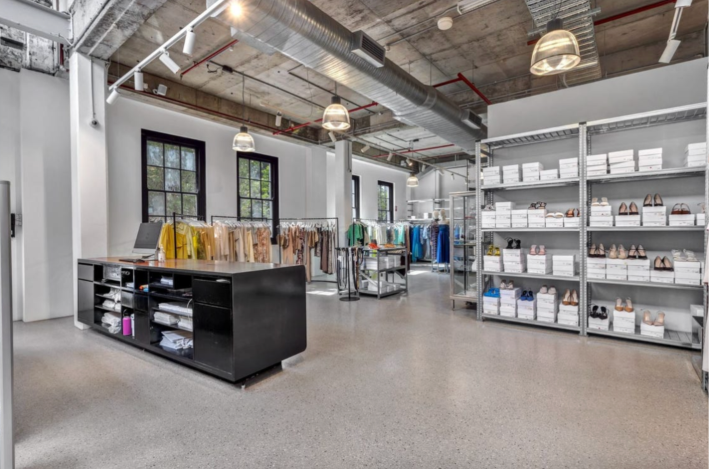
Working backwards from your trading days
Start with how long your pop-up will run and the level of customer activity you expect across those days.
Think about:
- Trading days
- Expected customer volume
- Typical units per transaction
- Best-selling products
- Slow-moving products
- Promotional periods
- Replenishment options
Then identify which products cannot afford to run out.
A limited-edition product may need a different approach from a product you can easily reorder. Also consider the difference between the stock customers see on the floor and the reserve stock you need to keep elsewhere.
When comparing temporary retail options, explore pop-up retail space to understand how different spaces can support your retail setup.
Depth versus range
One of the hardest decisions in a short retail run is choosing between depth and range.
Depth means carrying more units of fewer products. Range means carrying more different products with fewer units of each.
The right balance depends on what you sell.
A brand with a small number of hero products may benefit from having enough depth to avoid empty displays. A brand with multiple colours, sizes or product categories may need enough range to give customers a meaningful choice.
Avoid filling the space simply because you have stock available. A smaller, more deliberate selection can be easier for customers to shop and easier for your team to replenish.
Replenishment when you have no back room
A small shop may not have enough storage for your full stock holding, so replenishment needs to be planned before opening.
Ask:
- Where will reserve stock be kept?
- How often can it be replenished?
- Who is responsible for bringing it onto the floor?
- How will sizes be organised?
- Where will packaging be stored?
- What happens when a product sells through?
Keep reserve stock organised. Labels, categories or simple stock locations can help your team find products without searching through multiple boxes.
Also think about how the space will look throughout the day. A display that looks full in the morning can become sparse by afternoon if the replenishment plan is weak.
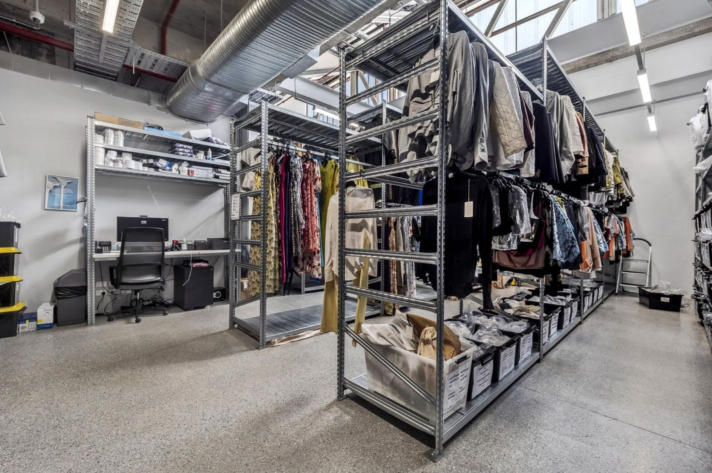
What to do with what is left
Running out is not necessarily a failure. Some products may sell faster than expected while others remain untouched.
Depending on the business, leftover stock could be:
- Returned to your usual retail operation
- Moved to another location
- Continued online
- Held for another activation
- Returned to storage
- Used in a future campaign
Do not wait until the final trading hour to decide. Knowing what happens to unsold stock before you open makes the final pack-down easier.
FAQ
How much stock should I bring?
Bring enough to support the expected trading period while considering customer demand, product popularity, available storage and your ability to replenish stock. Prioritise the products that matter most to the activation.
What do I do with leftover stock?
Plan where it will go before the pop-up opens. Depending on your business, it may return to your main operation, move to another activation, go into storage or continue selling through another channel.
Short retail runs reward thoughtful stock planning. Work backwards from your trading days, decide where depth matters more than range and have a replenishment and leftover-stock plan before opening. You can explore pop-up retail spaces when you're ready to plan the physical side of your activation.