The two weeks after your pop up closes
6 mins
What to do after a pop up shop closes gets far less planning than opening day, but the fortnight after is when you follow up the customers you met and record what you learned. Many brands stop contacting customers in the week after closing, which is when those customers are most likely to respond. Once your last trading day is set, plan four jobs for the two weeks after it: handing the space back, following up with customers, writing down what happened and deciding whether to do it again.
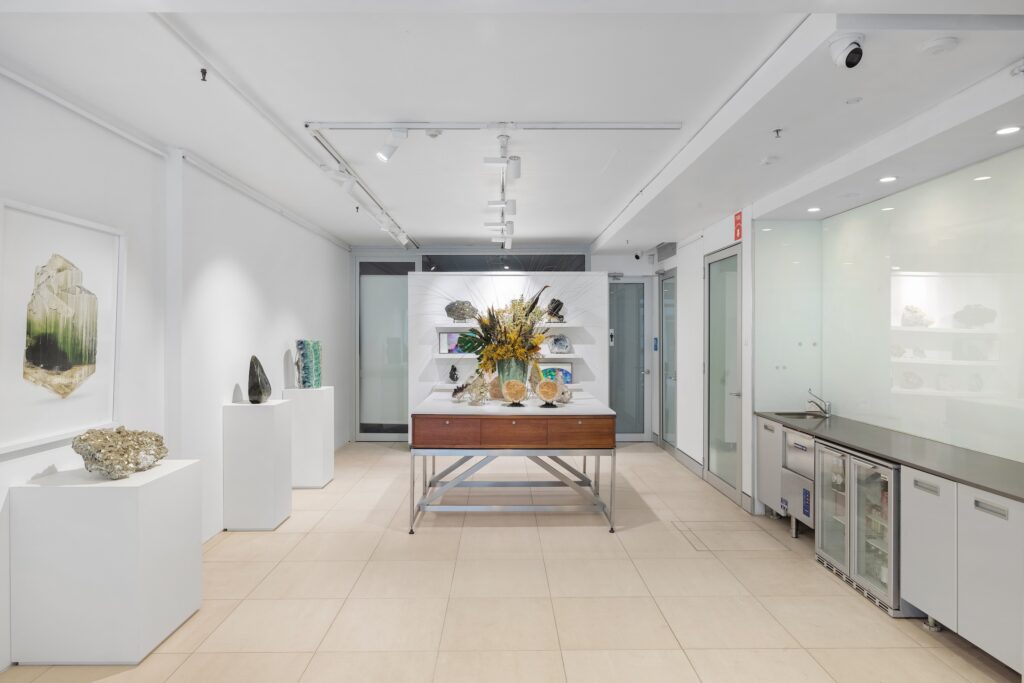
Getting the space back properly
Hosts remember the brands that hand a space back in good order, and that matters if you want the same shopfront next season. Whichever of the pop up spaces you used, work through this before you hand over the keys:
- Check the agreement. Re-read what condition the space has to be returned in and by when. Reinstatement terms vary from space to space.
- Remove everything. That means fixtures, vinyl, adhesive, hooks, cable ties, rubbish and any spare stock left in the back room.
- Make good. Patch and paint where the agreement requires it, and put any furniture back where it started.
- Clean it. Budget for a proper clean, not a quick sweep at the end of the last shift. Cleaning for pop ups and activations can be booked for the bump-out.
- Compare against your bump-in photos. If you photographed the space on the way in, take the same shots on the way out.
- Walk through with the host. Agree the condition in person where you can, then return keys and access cards.
Bonds are returned according to the terms of your booking, so check the agreement rather than assuming a timeframe. Bonds, deposits and cancellation covers what to look for. Then close out the rest: return hired equipment and payment terminals, and settle supplier invoices while the details are fresh.
Following up while people remember you
The first week after closing is when customers still remember the space, the conversation and what they bought, so do most of your follow-up then.
- Send a thank-you within a few days to everyone who signed up with consent. Include photos from the pop up, what sold out and where to buy from you now. A code that was only given out in the shop lets you trace the orders that follow.
- Follow up the requests. Customers who asked for a size or product you ran out of are the most likely to buy, so contact them first.
- Thank the people who helped. Send press, creators, collaborators, neighbours and the host a short note with a few photos.
- Chase trade leads. Buyers and stockists you met in person should hear from you within the week.
- Post the recap. The best content from a pop up often comes after it, as digital content after a pop up closes explains.
If you have another date coming, say so. People who missed you this time already know about you, so tell them where to find you next, through your own channels and through shopper lists such as Spacenow IRL. The consent rules for that first email are in capturing customer data at a pop up.
What to write down before you forget
Hold a team debrief within a couple of days of closing, while memories are sharp, and write it up in one place. Capture:
- What sold and what did not, by product and size, and what people asked for that you did not have.
- The daily numbers: entries, conversion, revenue and sign-ups, as covered in what to measure during a pop up.
- What the fit-out got right, and what you would not build again.
- How the space worked: access, power, light, storage, neighbours and anything that surprised you.
- Staffing: where the roster was thin and who was good.
- Actual spend against budget, line by line.
- Contacts: the host, building management, suppliers and anyone who solved a problem for you.
- Layout photos, so the next team does not start from a blank floor plan.
Store it where the next person running a pop up will find it, so they do not have to learn the same lessons again.
Deciding whether to do it again
Wait until the end of the second week before you decide. By then you can see whether online orders from that area rose, how the new sign-ups responded to your first email, and whether the trade leads went anywhere.
Then ask four questions:
- Did the pop up answer the question you set at the start?
- Would the same space work again, perhaps at a different time of year?
- Is it time to test a different precinct or city?
- Is there enough evidence to think about something longer, or even turning a pop up into a permanent store?
If the answer is yes to any of them, talk to the host or the concierge soon. The best dates in a popular space tend to go to the brands that ask first.
FAQ
How soon should I follow up with customers?
Within a few days of closing, and certainly within the first week. That is when people still remember the space, the conversation and what they bought. Send a thank-you with photos from the pop up and tell them where they can buy from you now.
What should I record before I forget?
What sold and what did not, the daily numbers, what the fit-out and space did well or badly, and what customers asked for. Do it in a team debrief within a couple of days of closing. Add contacts, access details and layout photos so the next pop up starts from what you learned.
When will I get my bond back?
That depends on the terms of your booking, so check the agreement rather than assuming a standard timeframe. Returning the space clean, undamaged and on time, with photos to show it, is the best way to avoid a dispute.
The follow-up and debrief in the fortnight after closing make the next pop up easier to plan and run. When you are ready for the next one, browse pop up spaces or send your brief to the concierge.