Host Your Fashion or Sample Sale: A Venue Guide
8 mins
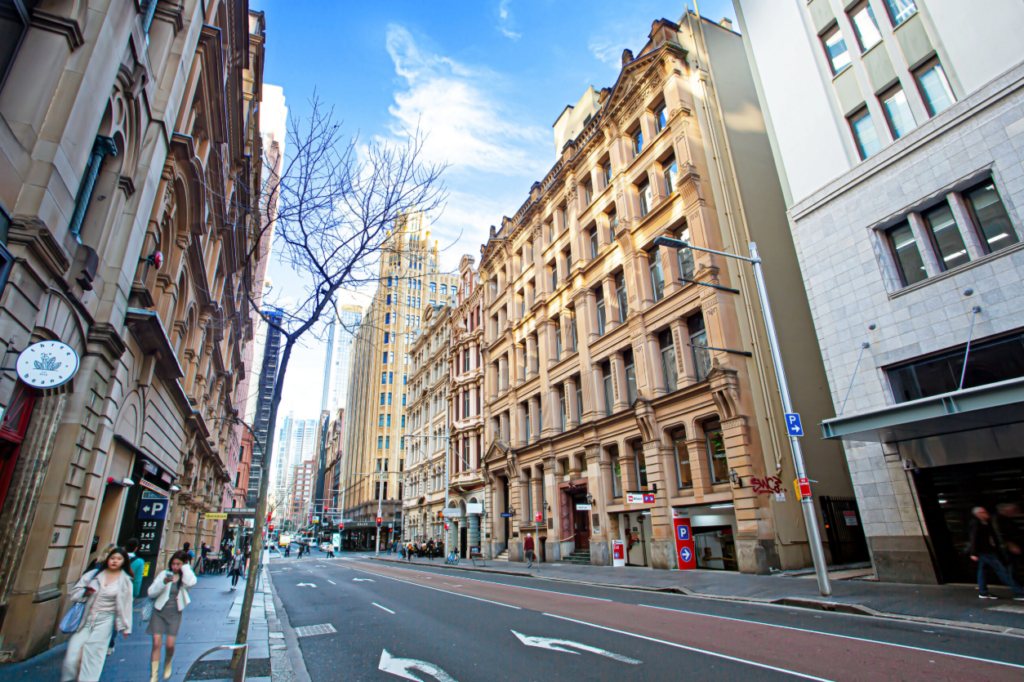
Fashion brands and retailers are turning to temporary sales events to move inventory, test new markets, and create buzz around their products. The success of your fashion or sample sale depends heavily on one crucial factor: your venue choice.
Getting this decision right can mean the difference between a packed sale that generates significant revenue and an event that falls flat. Your venue sets the tone, determines foot traffic, and impacts your customers' entire experience.
Why Venue Choice is Critical for Your Sale's Success
Your venue does more than house your inventory. It communicates your brand values and influences customer behaviour. A cramped, poorly lit space will make even premium items feel discounted and undesirable. Meanwhile, a well-chosen venue can make customers feel they're getting access to something special.
Location drives foot traffic. Choose a space in a busy retail strip, and you'll benefit from passing trade. Pick an industrial warehouse, and you'll need to work harder to draw people in - but you might create a more exclusive, treasure-hunt atmosphere that certain customers love.
The practical elements matter just as much. Fitting rooms, storage space, security, and parking all impact how smoothly your sale runs. These operational details directly affect your conversion rates and customer satisfaction.
Understanding Your Customer's Mindset
Fashion and sample sale shoppers have different expectations than regular retail customers. They expect lower prices but are often willing to compromise on service and convenience. They're hunting for deals and discoveries.
This mindset influences venue requirements. Your space needs to feel authentic to the sale experience - not too polished or retail-perfect, but organised enough to showcase your products effectively.
Exploring Venue Types for Your Fashion or Sample Sale
Different venue types serve different sale objectives and brand positioning. Here's how to match your needs with the right space.
Pop up Retail Spaces
Traditional Pop up fashion sale venues work well for brands wanting to maintain a retail feel. These spaces often come with existing fitting rooms, mirrors, and retail fixtures.
Street-front Pop ups benefit from visibility and walk-in traffic. They suit brands testing new locations or wanting to capture impulse buyers. The professional appearance helps maintain brand credibility while offering sale prices.
Pop up spaces in shopping centres provide built-in foot traffic but come with restrictions on signage, operating hours, and setup requirements. Consider these limitations against the guaranteed exposure.
Warehouse and Industrial Spaces
Warehouses create the authentic sample sale atmosphere many customers expect. The industrial setting signals significant discounts and adds excitement to the shopping experience.
Warehouse sale venues offer practical advantages too. High ceilings accommodate clothing racks, concrete floors handle heavy foot traffic, and loading docks simplify setup and breakdown.
The main challenges involve customer comfort. Warehouses often lack heating, air conditioning, and adequate lighting. You'll need to factor these improvements into your budget and planning timeline.
Event Spaces and Studios
Photography studios and event spaces offer flexibility for brands wanting to create a specific atmosphere. These venues often have good lighting and can be styled to match your brand aesthetic.
Creative spaces work particularly well for designer sample sales where presentation matters as much as pricing. The controlled environment lets you create Instagram-worthy moments that extend your marketing reach.
Showroom and Gallery Spaces
Showrooms provide a middle ground between retail polish and sale authenticity. They offer professional presentation while maintaining the exclusivity that sample sale customers seek.
Gallery spaces work for high-end fashion sales where the venue adds to the product's perceived value. These spaces help justify higher sale prices compared to warehouse settings.
Key Considerations When Selecting Your Ideal Sale Venue
Beyond venue type, specific practical factors determine your sale's success.
Size and Layout Requirements
Calculate space needs based on your inventory volume, expected attendance, and required customer flow. Allow for queuing areas, storage, and staff workspace.
Consider how customers will move through your space. Can they browse comfortably? Is there enough room around fitting areas? Will checkout bottlenecks develop?
Plan for peak periods. Your space might feel adequate during quiet times but become overcrowded when busy. This affects customer experience and safety.
Location and Accessibility
Transport links matter more for sample sales than regular retail. Customers often travel specifically for these events and may not know the area well.
Parking availability becomes crucial if you're targeting suburban customers or families. Public transport access matters for inner-city locations targeting younger demographics.
Consider your target market's geographical spread. A central location might draw from wider areas, while neighbourhood venues work better for local community engagement.
Essential Facilities and Infrastructure
Fitting rooms are non-negotiable for fashion sales. If your venue lacks them, budget for temporary alternatives. Pop up fitting rooms exist but impact your space efficiency.
Power supply affects lighting, payment processing, and any audio systems. Older industrial spaces may have limited power points in inconvenient locations.
Security considerations include both theft prevention and cash handling. Ground-floor venues with multiple exits require different security approaches than contained spaces.
Budget and Terms
Sample sale venues typically require shorter rental periods than regular Pop ups. This affects your negotiating position and available options.
Factor setup and breakdown time into your rental period. Fashion sales often require significant setup for effective product display and organisation.
Understand what's included in the rental fee. Some venues include basic fixtures and utilities, while others charge separately for every element.
Beyond the Space: Maximising Your Sale's Impact
Your venue choice influences marketing opportunities and operational efficiency.
Creating the Right Atmosphere
Your venue should reinforce your sale messaging. Warehouse spaces communicate deep discounts and exclusive access. Retail spaces suggest quality and service despite reduced prices.
Consider how to enhance your chosen venue's strengths. Industrial spaces might benefit from string lighting and music to create energy. Retail spaces might need sale signage to communicate the temporary nature clearly.
Think about customer journey from arrival to purchase. How will people find you? What's their first impression? How does the space guide them through your products?
Operational Efficiency
Your venue choice affects staffing needs and operational complexity. Compact spaces require fewer staff but may limit customer capacity. Large spaces need more coverage but handle bigger crowds.
Consider storage for unsold inventory, packaging materials, and personal items. Many sample sales underestimate storage needs, leading to cluttered selling areas.
Plan for contingencies like weather, technical issues, or unexpected crowds. Does your venue provide flexibility to adapt?
Find Your Perfect Sale Venue with Spacenow
The right venue transforms your fashion or sample sale from a basic clearance event into a memorable brand experience that drives sales and builds customer relationships.
Start by defining your objectives clearly. Are you clearing old inventory, testing new products, or building brand awareness? Your goals should drive venue selection more than budget constraints alone.
Consider your brand positioning and customer expectations. Premium brands need venues that maintain quality associations even during sales events. Value brands can embrace more basic settings that communicate significant savings.
Remember that the best venue for your neighbour might not suit your needs. Sydney Pop up venues offer different advantages than warehouse spaces, and your choice should align with your specific requirements and customer base.
Visit potential venues during similar events when possible. This gives you realistic insights into customer flow, acoustics, and practical challenges you might not notice during empty viewings.
Making Your Final Decision
Once you've narrowed your options, consider running a smaller test event if your timeline allows. This approach works particularly well for brands planning regular sale events.
Factor in all costs beyond the rental fee. Additional lighting, security, cleaning, and fixture rental can significantly impact your budget and venue choice.
Book early, especially for popular sale periods like end-of-season clearances. The best venues fill quickly, and last-minute options may compromise your event's success.
Understanding strategies that make Pop up shops profitable can help you maximise your return regardless of venue choice. The right space provides the foundation, but execution determines results.
Your fashion or sample sale deserves a venue that showcases your products effectively while creating an engaging customer experience. Take time to find the space that supports your goals, fits your budget, and excites your customers.
Ready to find the perfect space for your next fashion or sample sale? Explore Spacenow's diverse listings across Australia today and discover venues that will make your event memorable and profitable.