How to Choose the Perfect Pop up Space in Australia
8 mins
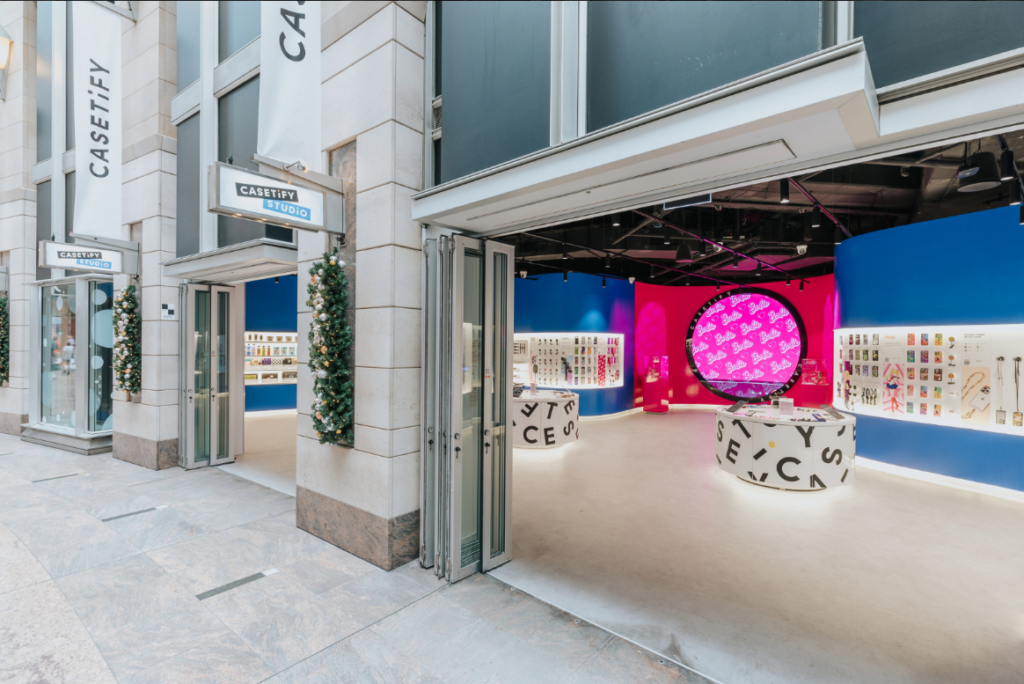
Your Pop up concept could be brilliant. Your products might be exactly what the market wants. But if you pick the wrong space, none of that matters. The location you choose shapes every aspect of your Pop up's success - from foot traffic to operational costs to brand perception.
Getting this decision right requires more than browsing pretty photos online. You need a systematic approach that considers your specific goals, budget constraints, and operational requirements. Here's how to find a space that sets your Pop up up for success.
Define Your Pop up's Vision: Goals, Brand, and Audience
Before you start browsing spaces, get clear on what you're trying to achieve. Are you testing a new product line? Building brand awareness? Clearing excess inventory? Your objectives will determine what type of space works best.
A fashion brand launching a capsule collection needs different features than a tech company running product demos. The capsule collection benefits from high-visibility street frontage and fitting rooms. The tech demo requires reliable wifi, power outlets, and space for equipment.
Consider your target customer's shopping habits. Young professionals might frequent business districts during lunch hours but prefer entertainment precincts on weekends. Families with children gravitate toward shopping centres with parking and amenities. Your space choice should align with where your customers naturally spend time.
Document your brand requirements too. A luxury jewellery brand needs sophisticated surroundings that reinforce premium positioning. A sustainable clothing label might prioritise eco-friendly buildings or areas known for conscious consumption.
Location, Location, Location: Finding Your Ideal Foot Traffic
Foot traffic isn't just about volume - it's about getting the right people past your door. A busy train station might see thousands of commuters daily, but they're focused on getting somewhere else, not shopping.
Study pedestrian patterns at different times. Visit potential locations during your planned operating hours. Count people, but also observe their behaviour. Are they window shopping or rushing past? Do they carry shopping bags or gym bags?
Check what other businesses operate nearby. Complementary retailers can drive cross-traffic to your space. A Pop up coffee roastery works well near established cafes and food outlets. A vintage clothing Pop up benefits from proximity to independent boutiques and creative businesses.
Pop up spaces in Sydney offer different advantages depending on the specific area. The CBD attracts office workers and tourists. Surry Hills draws creatives and young professionals. Bondi brings beach culture enthusiasts and international visitors.
Don't overlook emerging areas. Gentrifying neighbourhoods often offer better value while attracting early adopters who love discovering new brands. These areas can provide the perfect testing ground for innovative concepts.
Assessing Space Specifics: Size, Layout, and Essential Amenities
Space size affects more than just capacity. Too small and you look cramped. Too large and you look unsuccessful. Calculate your needs based on product display requirements, customer circulation, and any activities you're planning.
Layout matters enormously. An awkward space with pillars or odd angles can kill the customer experience. Wide, shallow spaces work well for browsing-based retail. Deep, narrow spaces suit appointment-based services or consultations.
Check ceiling height, especially for events or installations. Standard retail fixtures need minimum clearances. If you're planning hanging displays or tall branded elements, measure twice.
Essential amenities vary by concept, but most Pop ups need reliable power, adequate lighting, and climate control. Payment processing requires internet connectivity. Clothing retail needs mirrors and ideally a fitting area.
Storage space often gets overlooked until opening day. You need somewhere for excess inventory, personal belongings, cleaning supplies, and promotional materials. Some spaces include storage areas. Others require creative solutions or off-site arrangements.
Safety and Accessibility Requirements
Australian consumer law requires accessible premises for many retail operations. Check doorway widths, step-free access, and bathroom facilities. Even temporary Pop ups must comply with disability access standards.
Fire safety regulations apply to all commercial spaces. Understand evacuation procedures, fire extinguisher locations, and capacity limits. These requirements aren't optional - they're legal obligations that protect your customers and your business.
Budgeting Smart: Beyond the Rental Fee
The advertised rental rate is just the starting point. Additional costs can easily double your space budget if you're not careful.
Insurance requirements vary by space and activity. Some venues include public liability coverage. Others require you to arrange separate policies. Get quotes before committing to any space.
Utility costs might be included in short-term rentals but often aren't for longer arrangements. Ask about electricity, gas, water, and waste collection. These costs add up quickly for spaces with high energy requirements.
Setup and breakdown costs depend on your concept complexity. Simple retail displays are straightforward. Elaborate installations require professional help, equipment rental, and potentially structural modifications.
Marketing spend should align with your location choice. Prime locations with high natural foot traffic need less advertising support. Hidden gems require more promotional investment to drive awareness.
Navigating Legalities and Logistics for a Smooth Launch
Pop up retail involves specific legal requirements that permanent businesses don't face. These regulations exist to protect consumers and ensure fair trading practices.
Business registration requirements vary by state and activity type. Most Pop ups need an Australian Business Number (ABN) and relevant permits. Food retail requires additional health department approvals. Check your local council's requirements early in the planning process.
For comprehensive guidance on compliance requirements, review our guide on 4 Legal Steps Every Pop Up Must Complete Before Opening Day. This covers licensing, insurance, consumer law obligations, and safety requirements specific to temporary retail operations.
Lease agreements for short-term spaces differ from traditional commercial leases. Pay attention to setup and breakdown timeframes, damage liability, and early termination clauses. Some agreements include equipment or fixtures. Others require you to provide everything.
Payment terms affect cash flow planning. Some spaces require full payment upfront. Others offer monthly terms or revenue sharing arrangements. Understand what happens if your Pop up performs better or worse than expected.
More Than Just Retail: Exploring Diverse Pop up Applications
Pop up spaces serve many purposes beyond traditional retail. Understanding different applications helps you think creatively about space selection and design.
Product launch events need spaces that accommodate media, influencers, and customers simultaneously. These events benefit from PR event venues with presentation capabilities, catering facilities, and professional appearance.
Sample sales focus on volume and efficiency rather than ambiance. Warehouse-style spaces work perfectly for these events, offering ample room for racks, changing areas, and queuing systems.
Brand activation campaigns might need outdoor access, digital display capabilities, or spaces that allow creative installations. These projects often require different Pop up retail formats than traditional product sales.
Educational workshops and demonstrations need classroom-style layouts with good sightlines and acoustics. These applications work well in creative spaces or flexible event venues.
Seasonal Considerations
Australian seasons affect both space availability and customer behaviour. Summer Pop ups in beachside locations capitalise on tourist traffic but face higher competition and pricing. Winter indoor markets provide consistent foot traffic regardless of weather.
Holiday periods offer peak sales opportunities but require early booking and premium pricing. School holiday timing affects family-oriented concepts. Plan your Pop up calendar around these seasonal patterns.
Your Partner in Pop up Success: How SpaceNow Helps
Finding the right space shouldn't consume months of your planning time. SpaceNow simplifies this process by connecting you directly with space owners across Australia.
Our platform shows real-time availability, transparent pricing, and detailed space specifications. You can compare options side-by-side, read reviews from previous tenants, and communicate directly with hosts through our messaging system.
Successful Pop ups require strategic planning beyond just space selection. Our resource library includes guides on 6 Strategies That Make Pop Up Shops Truly Profitable, covering pricing strategies, inventory management, and customer experience optimisation.
The booking process eliminates traditional commercial real estate hassles. No lengthy lease negotiations or agent commissions. Send an enquiry and the host will respond with an offer via chat. You won't be charged until you accept the booking terms.
Launch Your Vision with Confidence
Choosing the perfect Pop up space requires balancing multiple factors - location, budget, legal requirements, and operational needs. The right space amplifies your concept and creates conditions for success. The wrong space wastes time, money, and opportunity.
Start with clear objectives. Research your target market's behaviour patterns. Calculate total occupancy costs, not just rental fees. Understand your legal obligations before signing any agreements.
Remember that Pop ups offer unique advantages over permanent retail. You can test markets, build brand awareness, and generate sales without long-term commitments. The flexibility to experiment with different locations and concepts gives you valuable market intelligence for future decisions.
Ready to find your perfect Pop up space? Browse thousands of flexible commercial spaces across Australia on SpaceNow today!