Mastering PR Events & Brand Activations: Your Guide
6 mins
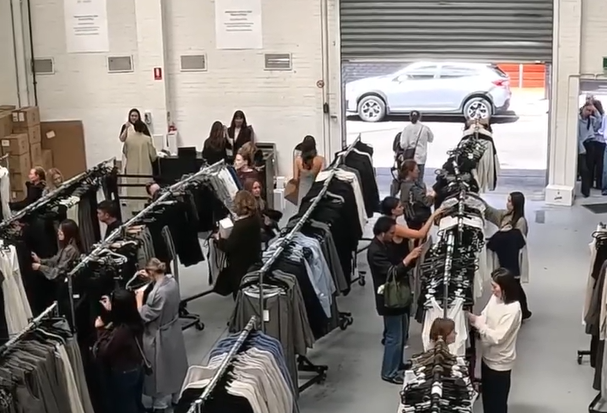
PR events and brand activations have transformed how businesses connect with customers. Unlike traditional advertising, these experiences put people at the centre. They create moments that stick.
A well-planned activation doesn't just raise awareness. It builds relationships, generates content and, drives sales. But getting it right requires strategy, not just creativity.
Define Your Objectives: What Do You Want to Achieve?
Start with clear goals. Want to launch a product? Build brand awareness? Generate leads? Your objectives shape every decision that follows.
Set specific, measurable targets. "Increase brand awareness" is vague. "Generate 500 social media mentions and collect 200 email addresses" gives you something to work towards.
Consider both immediate and long-term outcomes. Your event might aim for media coverage today and customer loyalty over months.
Know Your Audience: Crafting a Targeted Experience
Generic events fall flat. Successful activations speak directly to specific groups. Research your target audience's interests, behaviours, and pain points.
Where do they spend time? What motivates them? What problems do they need solved? These insights inform your concept, venue choice, and execution.
Create audience personas. Give them names, ages, jobs. This makes planning decisions easier. Would Sarah, your 28-year-old marketing manager persona, attend a weekend workshop or prefer an after-work networking event?
Develop a Unique Concept: Storytelling and Creativity
Your concept must align with your brand while offering genuine value to attendees. The best activations solve problems or fulfil desires.
Think beyond product demonstrations. Create experiences people want to share. Interactive installations, skill-building workshops, exclusive previews - these generate engagement.
Document your concept in one sentence. If you can't explain it simply, it's too complex.
Choosing the Perfect Venue: Location, Vibe, and Logistics
Your venue shapes the entire experience. Consider accessibility, capacity, and atmosphere. A tech startup launch needs different space than a luxury fashion preview.
PR event venues come in many forms. Warehouses offer flexibility for large installations. Gallery spaces provide sophistication. Pop up locations create urgency and exclusivity.
Visit potential venues in person. Check acoustics, lighting, and flow. Consider setup and breakdown logistics. Some spaces look great but create operational headaches.
Location matters for attendance. Central locations draw bigger crowds but cost more. Consider your audience's travel patterns and preferences.
Essential Venue Considerations
Technical requirements top the list. Do you need power outlets, internet, audio systems? Confirm availability before booking.
Parking and public transport access affect attendance. Difficult locations need exceptional concepts to draw people.
Weather backup plans are crucial for outdoor events. Indoor alternatives or covered areas prevent cancellations.
Budgeting and Resource Allocation: Making Every Dollar Count
Allocate budget across five key areas: venue, staffing, materials, marketing, and contingency. Many events fail because they spend everything on the big items and run short on execution details.
Venue costs vary widely. Premium locations charge premium rates. But unique spaces often provide better value than traditional event centres.
Staff costs include wages, training, and coordination time. Good staff make average events great. Poor staff ruin excellent concepts.
Marketing budget should match your attendance goals. Small, targeted events need less promotion than mass-market activations.
Always keep 10-15% for unexpected costs. Events always require last-minute purchases or adjustments.
Master the Logistics: From Permits to Staffing
Logistics separate successful events from disasters. Start with legal requirements. Do you need permits, insurance, licences? Requirements vary by location and event type.
Create detailed timelines. Map out setup, event flow, and breakdown. Share these with your team and venue staff.
Staff briefings are crucial. Everyone should understand their role, key messages, and escalation procedures. Practice common scenarios beforehand.
Supply management requires lists and backups. Audio equipment fails. Signs get damaged. Have spares for critical items.
Booking shared spaces for events often simplifies logistics. Many venues provide basic equipment and setup support.
Day-of-Event Management
Arrive early. Setup always takes longer than planned. Test everything twice.
Assign someone to handle problems. Events always have issues. One person should focus entirely on solutions while others run the program.
Document everything. Photos, videos, and notes help with future planning and provide content for follow-up marketing.
Promote Your Event: Building Buzz and Driving Attendance
Promotion starts the moment you confirm your concept. Build awareness gradually rather than announcing everything at once.
Social media works well for event promotion, but don't rely on it exclusively. Email, partnerships, and traditional PR often drive more qualified attendees.
Create shareable content throughout the promotion period. Behind-the-scenes content, speaker spotlights, and venue previews maintain interest.
Partner with complementary brands or influencers. Their audiences might overlap with yours. Cross-promotion expands reach without increasing costs.
Consider invitation-only elements. Exclusive access creates demand. People want what they can't easily get.
Measure Your Success: Proving ROI and Learning for the Future
Measurement starts during planning. Define success metrics that align with your objectives. Track attendance, engagement, lead generation, social mentions, and media coverage.
Collect data during the event. Email signups, social follows, and business card exchanges provide immediate ROI indicators.
Post-event surveys reveal attendee satisfaction and improvement opportunities. Keep surveys short. Long questionnaires reduce response rates.
Calculate costs per objective. If you spent $10,000 and generated 100 qualified leads, your cost per lead was $100. Compare this to other marketing channels.
Document lessons learned immediately after the event. Memory fades quickly. Record what worked, what didn't, and what you'd change.
Long-term Impact Tracking
Some benefits appear weeks or months later. Track sales attributed to event attendees. Monitor brand sentiment changes. Measure customer lifetime value increases.
Share results with stakeholders. Demonstrate ROI to secure future event budgets.
Creating Memorable Experiences
Successful PR events and brand activations combine strategic thinking with flawless execution. They require planning, creativity, and attention to detail.
The venue choice often determines success. Australia's best multi-use creative spaces offer the flexibility and character that make events memorable.
Start planning early. Good venues and suppliers get booked months in advance. Rush jobs rarely achieve their full potential.
Focus on attendee experience above everything else. People remember how events made them feel, not just what they learned or received.
Ready to bring your brand activation or PR event to life? Spacenow's diverse range of unique venues and creative spaces across Australia provides the perfect setting for memorable experiences. Browse our event spaces and book your ideal location today.