Pop Up Melbourne Cost: What Should Brands Budget For?
9 mins
Planning a pop up Melbourne activation can be an exciting way to bring your brand into the physical world. But before booking a space, there is one question almost every business needs to answer: how much will it actually cost?
The answer depends on more than the price of the space.
Your total budget may include the retail space itself, styling and fit-out, staffing, stock, marketing, signage, payment systems, insurance and other operational expenses. Understanding these costs before you commit can help you choose the right venue, set realistic goals and avoid unexpected expenses.
For brands considering spaces in Melbourne, flexible retail can provide a more manageable way to experiment with physical retail without taking on the ongoing costs of a permanent storefront.
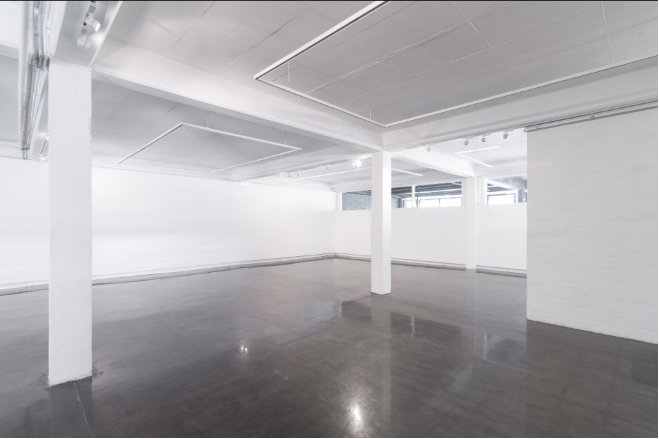
What Does a Pop Up Melbourne Actually Cost?
There is no single price for running a Pop up store in Melbourne.
The cost can vary depending on:
- Location
- Size of the space
- Length of the activation
- Existing fit-out
- Number of staff required
- Product range
- Level of customisation
- Marketing activity
- Equipment and technology
- Insurance and operational requirements
A simple weekend activation in an already fitted-out space will have very different costs from a month-long branded experience requiring a custom fit-out.
Rather than focusing only on the hire price, brands should calculate the total cost of the activation before booking.
1. Melbourne Pop Up Space Hire Is Your Starting Point
The cost of a pop up Melbourne will usually be one of the most important parts of your budget.
However, the cheapest venue isn't necessarily the best value.
When comparing spaces in Melbourne, consider what is already included in the hire. Some venues may already have lighting, flooring, furniture, power, display fixtures or other amenities, while others may require additional setup.
Location also plays an important role. A space in a high-traffic retail precinct may offer stronger visibility, but the cost needs to make sense for your campaign objectives.
Before booking, ask:
- What is included in the hire?
- Is setup time included?
- Is pack-down time included?
- Are utilities included?
- Is furniture available?
- Is there storage?
- Are there additional cleaning or access fees?
- Are there restrictions on signage or fit-out?
Understanding these details helps you compare spaces more accurately.
2. Fit-Out and Styling Can Change Your Budget
Once you've secured your space, you'll need to consider how you want it to look.
A Pop up doesn't necessarily require an expensive custom fit-out. Many brands can create an effective environment using existing furniture, portable fixtures and branded signage.
Your styling budget might include:
- Clothing racks
- Shelving
- Tables
- Display plinths
- Seating
- Lighting
- Decorative elements
- Branded walls
- Vinyl graphics
- Mirrors
- Product displays
The more custom the experience, the more you'll need to allocate towards design and installation.
For brands working with a limited budget, choosing a retail space Melbourne venue that already suits your aesthetic can significantly reduce setup requirements.
3. Don't Forget Staffing Costs
Your Pop up needs people to operate it.
Depending on the size and purpose of your activation, you may need:
- Sales staff
- Brand ambassadors
- Product specialists
- Event staff
- Security
- A manager or supervisor
Staffing requirements will depend on your opening hours, expected visitor numbers and the type of customer experience you're creating.
A small founder-led Pop up may require only a few people, while a busy activation with demonstrations or events may require a larger team.
When building your budget, remember to account for the full operating period rather than only the opening hours. Setup, pack-down and preparation may also require staff time.
4. Budget for Stock and Inventory
Your products are another major consideration.
The amount you need to invest will depend on what you're selling and whether your Pop up is designed primarily to generate retail sales in Melbourne, build awareness or test customer demand.
- Direct sales
- Product discovery
- A product launch
- A sample sale
- Customer research
- Brand awareness
- A showroom experience
If customers can purchase directly from the space, you'll need enough inventory to meet expected demand.
You'll also need to consider transportation, storage, packaging and restocking.
For brands testing physical retail for the first time, a smaller initial product selection can help keep the activation manageable while still giving customers enough variety to explore.
5. Marketing Your Pop Up
Having a great space doesn't guarantee customers will walk through the door.
Marketing should be included in your Pop up budget from the beginning.
Depending on your audience, this could include:
- Paid social advertising
- Influencer collaborations
- Email marketing
- Organic social content
- PR
- Local partnerships
- Printed promotional materials
- Launch events
- Content creation
Your marketing spend should reflect the purpose of the activation.
A private customer event may require a very different strategy from a week-long public-facing retail campaign.
The goal isn't simply to spend more. It's to make sure enough of your target audience knows when and where to find you.
6. Signage and Branding
Your Pop up needs to be recognisable.
Signage can help customers identify your brand from outside the space while reinforcing your visual identity inside.
Potential costs include:
- Exterior signage
- Window graphics
- Directional signage
- Printed menus or product information
- Branded backdrops
- Promotional boards
- Price signage
Good signage doesn't need to be complicated. Clear, consistent branding can often make a temporary space feel much more established.
7. Payment Systems and Technology
If you're selling directly from the Pop up, you'll need a reliable way to process transactions.
Depending on your setup, this may include:
- POS hardware
- Card readers
- Tablets
- Internet access
- Receipt printers
- Barcode scanners
- Charging equipment
Make sure your payment system is tested before opening day.
A technical issue during a busy trading period can quickly turn into lost sales and frustrated customers.
8. Insurance and Operational Costs
Insurance and operational requirements are easy to overlook when planning a Pop up.
Depending on your business, venue and activation, you may need appropriate insurance, permits or other compliance measures. Australian government guidance notes that insurance requirements can vary depending on the business and activity, while public and product liability can be relevant considerations for retail businesses.
You may also need to budget for:
- Cleaning
- Waste removal
- Utilities
- Internet
- Security
- Transport
- Storage
- Equipment hire
- Permits or approvals where applicable
Always check the specific requirements of your chosen venue before committing to your budget.
Create a Simple Pop up Budget
Instead of looking at one large number, break your budget into categories.
A simple planning framework could look like this:
| Cost Category | What to Include |
| Space | Hire, access, setup and pack-down |
| Fit-out | Furniture, fixtures, lighting and styling |
| Staffing | Sales staff, ambassadors and event support |
| Inventory | Products, packaging, transport and restocking |
| Marketing | Advertising, influencers, PR and content |
| Branding | Signage, graphics and printed materials |
| Technology | POS, internet and payment equipment |
| Operations | Cleaning, security, storage and other requirements |
| Contingency | Unexpected expenses |
This makes it much easier to identify where your money is going and where you have room to adjust.
How to Keep Your Pop Up Melbourne Costs Under Control
A successful Pop up doesn't have to involve an extravagant budget.
There are several ways brands can control costs without compromising the customer experience.
Choose a Ready-to-Use Space
A space that already has suitable flooring, lighting, furniture and fixtures can reduce fit-out costs.
Keep the Design Focused
You don't need to brand every surface.
Choose a few strong visual elements that communicate your identity clearly.
Match the Space to Your Goal
If you're primarily testing customer demand, you may not need an expensive flagship-style venue.
If you're launching a major collection, however, investing more in presentation may make sense.
Start With a Shorter Activation
A shorter activation can help you test the concept before committing to a longer booking.
Use Your Existing Audience
Your email list, social media followers and existing customers can become some of your most valuable sources of foot traffic without requiring a large advertising budget.
Build a Contingency
Unexpected expenses can appear during setup, so leave some room in your budget rather than allocating every dollar to planned costs.
Does a Pop Up Make More Financial Sense Than a Permanent Store?
For some brands, the biggest financial advantage of a Pop up is the flexibility it provides.
A permanent store can involve long-term rent, fit-out costs, ongoing staffing, utilities, maintenance and other operating expenses. A Pop up allows businesses to activate a location for a defined period and evaluate the results before making a larger commitment.
That doesn't mean a Pop up is automatically cheaper in every situation.
Instead, its value comes from allowing brands to match their physical retail investment to a specific objective and timeframe.
For a business testing a new concept, launching a collection or exploring a new customer market, that flexibility can be particularly valuable.
Find the Right Pop Up Space in Melbourne
Once you understand your budget, the next step is finding a space that fits it.
Spacenow helps businesses discover flexible spaces in Melbourne for Pop up shops, product launches, seasonal campaigns, brand activations and other temporary retail experiences.
Instead of committing to a traditional long-term lease, businesses can explore pop up Melbourne options that suit different locations, timeframes and campaign requirements.
Final Thoughts
Understanding the cost of a pop up Melbourne activation starts with looking beyond the space hire price.
From fit-out and staffing to inventory, marketing, signage, technology and insurance, every part of the activation contributes to your overall investment.
The good news is that brands can control many of these costs by choosing the right space, defining a clear objective and prioritising the elements that matter most to their customers.
For businesses considering physical retail without the commitment of a permanent store, a well-planned Pop up can provide a flexible way to test ideas, reach new customers and create memorable brand experiences.
With Spacenow, businesses can discover spaces in Melbourne that make it easier to bring their next Pop up concept to life.