Pop up Signage and Shopfront Rules
5 mins
Signage and shopfront rules for short-term retail
If you are planning a temporary retail activation, understanding pop up shop signage rules before you order anything can save you from having to change artwork, fixtures or installation plans. Requirements can vary between venues, so check what the space allows before production.
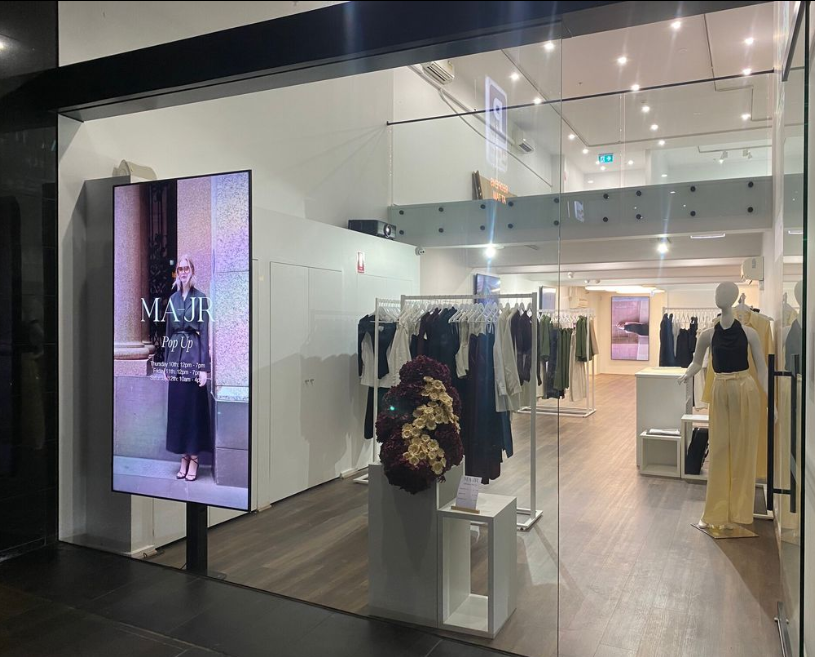
What the venue will and will not let you fix to a wall
Start with the physical space and ask what you are actually allowed to attach to it.
That might include:
- Drilling into walls
- Adhesive hooks
- Vinyl
- Hanging banners
- Freestanding signs
- Temporary shelving
- Fixtures attached to existing structures
- Covering existing signage
The answer can vary from one venue to another.
A space may allow removable fixtures but prohibit drilling, or allow window graphics while restricting external signage. There may also be reinstatement requirements once your booking ends.
Confirm the permitted fixing methods before producing anything. Changing a sign before production is much easier than discovering that it cannot be installed after it arrives.
If you are still comparing venues, start with Pop up spaces on Spacenow and then confirm the specific signage requirements for your shortlisted space.
Window graphics and the rules that apply
Windows can do a lot of work for a temporary retailer. They can introduce the brand, communicate an offer and give people walking past a reason to enter.
However, window graphics can also affect visibility and natural light. Some venues may also restrict how much of the glass you can cover.
Before ordering, ask:
- Can graphics be applied directly to the glass?
- Is there a coverage limit?
- Who approves the artwork?
- Is a particular material required?
- When can the graphics be installed?
- How must they be removed?
Think about the view from inside as well as outside. A heavily covered window may create a strong shopfront but make the interior feel darker or less visible.
When comparing spaces, look at the shopfront as part of the overall venue rather than treating signage as an afterthought. Spacenow listings can include details such as frontage, windows and signage opportunities, depending on the space.
Shopping centres have their own approvals
Shopping centres can have their own presentation and signage requirements in addition to any relevant council requirements.
A centre may need to approve artwork, installation methods, placement or the appearance of signage before you install it. Common areas and shared shopfront areas can also have separate rules.
Do not assume that permission from the individual venue automatically covers the centre's requirements.
Ask who has final approval, what needs to be submitted and how much time they need to review it.
For general information about Australian business licences and permits, you can also check the Australian Business Licence and Information Service and search for requirements relevant to your location and activity.
If signage requirements are affecting your venue decision, Spacenow's concierge team can help you define the space requirements you need to clarify before booking.
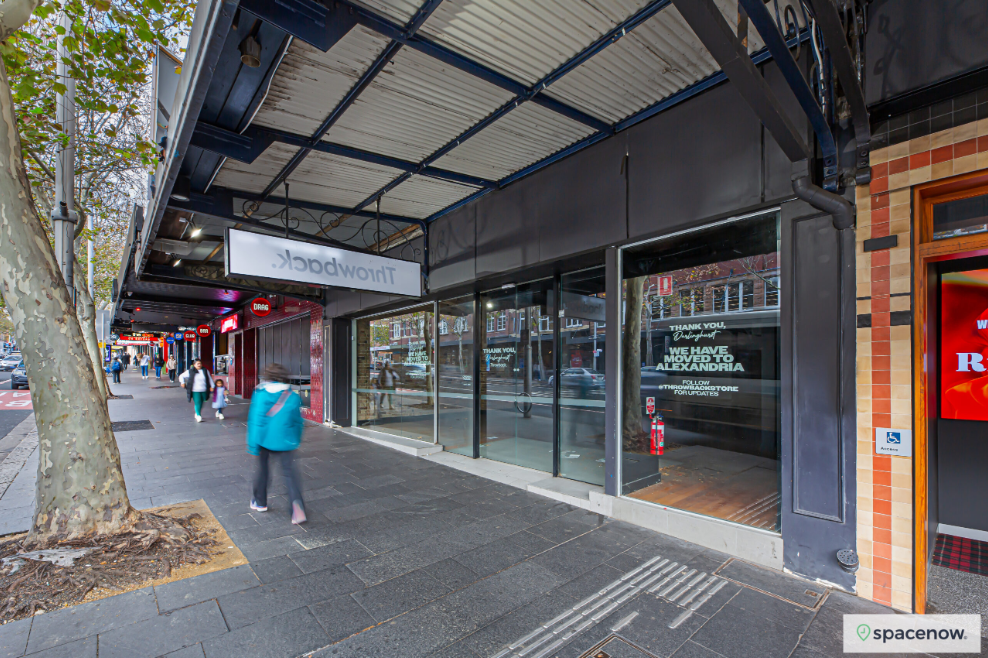
Signage that travels between sites
If you expect to run multiple Pop ups, consider designing your signage as a reusable system rather than creating a one-off installation for every location.
Modular signs, removable graphics and freestanding elements can be adapted to different shopfronts.
But portability only works when you measure each new space first. A sign that fits one shopfront may be too large for another.
A reusable pop up shop signage rules checklist can help you review each new venue before you commit to production. Check:
- How easily the signage can be transported
- Whether it packs flat
- Whether it needs specialist tools
- Whether the artwork can be replaced
- Whether it can be installed without permanent alterations
- Whether the venue permits the proposed fixing method
The aim is to create a system that can move with the brand while still adapting to the rules of each venue.
FAQ
Can I put vinyl on the windows?
Not automatically. Check with the venue or property manager whether window vinyl is permitted, what coverage or material restrictions apply and how it must be removed.
Who approves signage in a shopping centre?
The approval process depends on the individual shopping centre and venue. Ask who needs to approve the artwork, where temporary signage can be installed and how much lead time is required.
Good temporary signage should make the shopfront feel considered without creating problems for the venue. Confirm the rules before production and, if you plan to move between spaces, build a reusable signage system that can adapt to different shopfronts.