Visual Merchandising for Small Spaces | Spacenow
5 mins
Visual merchandising small shop planning is about making limited space work harder without making it feel crowded. A small shop still needs to communicate the brand, guide customers through the space and make key products easy to notice.
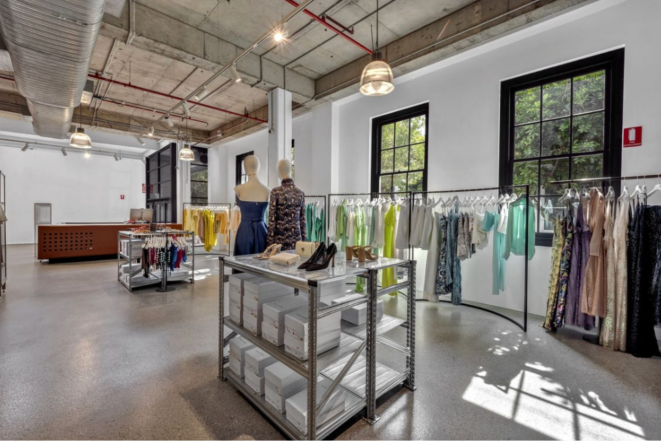
The window does most of the work
In a small shop, the window has to communicate quickly. You may only have a limited amount of frontage, so avoid trying to show the entire range at once.
Choose one clear idea for the window.
That could be:
- A hero product
- A new collection
- A seasonal campaign
- A strong brand message
- A single visual story
The aim is to give people passing the space a reason to stop and look.
Keep the display focused rather than filling every available section of glass. Too many products, signs and props can make the window difficult to understand.
Think about the view from the street as well as from inside. Your strongest product should be visible without blocking the entrance or making the interior feel closed off.
If you are comparing spaces for a small retail activation, explore retail and shop spaces on Spacenow and consider what each window gives you to work with.
Sightlines from the door
The first few steps into a shop are important.
Stand outside the entrance and look in. Then stand just inside the door and look around the space.
What do you notice first?
Your main product, display or brand message should have a clear relationship with that first sightline.
With a small space, you do not need to show everything immediately. Create a simple visual hierarchy that helps customers understand:
- What the brand is
- What they should look at first
- Where they can browse
- Where they can go next
Avoid placing large fixtures directly in front of the entrance if they make the space feel blocked.
The customer should be able to step inside comfortably before deciding where to browse.
For more context on temporary retail environments, see Spacenow's guide to pop-up retail space.
Height, density and what to leave empty
When floor space is limited, use the walls.
A single wall can provide useful merchandising space through:
- Shelving
- Rails
- Wall-mounted displays
- Vertical signage
- Tiered product displays
Using height means you do not have to put every product on the floor.
But vertical space should not become an excuse to fill every surface.
Density matters.
Give your strongest products enough room to stand out. Group related products together and avoid creating a wall where every item competes for attention.
The same applies to your floor.
If you have one corner available, give it a clear purpose rather than filling it with whatever does not fit elsewhere. It could become a hero display, a product discovery point or a small consultation area.
A little empty space can make a small shop feel more considered and easier to browse.
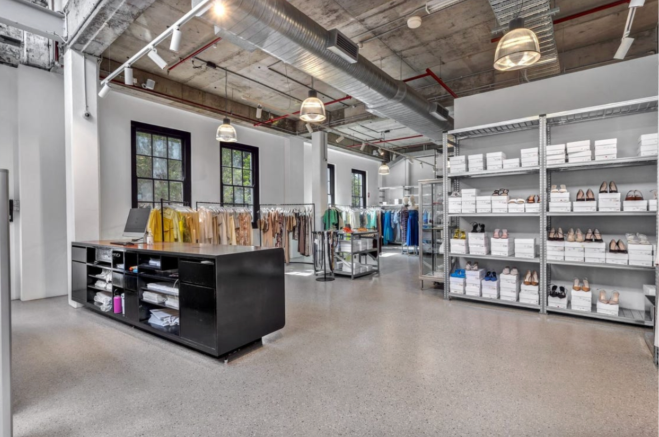
Lighting on a budget
Lighting can change how a small retail space feels without requiring a complicated fit-out.
Start with what the space already provides.
Look for:
- Dark corners
- Poorly lit products
- Glare on displays
- Areas where the lighting feels uneven
- Windows that provide useful natural light
Then decide where additional attention is actually needed.
You can use lighting to:
- Highlight a hero product
- Draw attention to the window
- Brighten a darker corner
- Separate visual zones
- Support the atmosphere of the brand
You do not need to light everything equally.
A small amount of focused lighting can help create hierarchy without adding unnecessary fixtures.
If the space has good natural light, work with it rather than blocking the windows with oversized displays.
If you need help finding a space that suits your retail layout, Spacenow's Concierge team can help you communicate the practical requirements you are working with.
FAQ
How much stock should be on the floor?
Display enough stock to make the range easy to understand without overcrowding the space. Prioritise key products and use available storage for additional stock rather than filling every shelf and surface.
What should go in the window?
Put the product, collection or message that best communicates what you want customers to notice. Keep the display focused and make sure it is visible from outside without blocking the entrance or making the interior feel closed.
A small retail space does not need more displays. It needs better decisions. Make the window communicate one clear idea, control what customers see from the door, use your wall and corner strategically, and let lighting give the important products more attention.
That is the core of visual merchandising small shop planning: making limited space work harder without making it feel crowded.